
![Is a Kitchen Remodel Worth It Before Selling My Home in [market_city]](https://image-cdn.carrot.com/eyJidWNrZXQiOiJwcm9kdWN0aW9uLmNhcnJvdC11cGxvYWRzLm9uY2Fycm90LmNvbSIsImtleSI6InVwbG9hZHMvc2l0ZXMvNzcwMDAvMjAyNi8xMC9Jcy1hLUtpdGNoZW4tUmVtb2RlbC1Xb3J0aC1JdC1CZWZvcmUtU2VsbGluZy1NeS1Ib21lLnBuZyIsImVkaXRzIjp7InJlc2l6ZSI6eyJ3aWR0aCI6MTE1Mn0sInRvRm9ybWF0Ijoid2VicCIsIndlYnAiOnsicXVhbGl0eSI6NzB9fX0=)
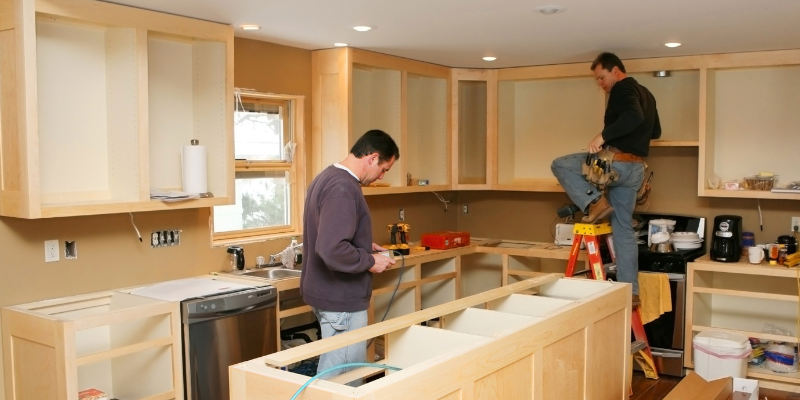
A $28,000 kitchen can add $32,000 to your sale price, or nothing at all. The granite you pick matters less than the house around it, the block it sits on, and how soon you need to be gone. A new kitchen won’t push your price much past what nearby homes sell for. If you have to move soon, months of remodeling can cost more than the upgrade brings back.
Should I Remodel the Kitchen Before Selling?
Scope decides almost everything here, and the national numbers show it. Zonda’s 2025 Cost vs. Value Report put the average minor kitchen remodel at $28,458, with $32,141 in added resale value. That’s about 113 cents back for every dollar spent. It was also the only interior project to crack the country’s top five; the other four were all exterior jobs.
A minor job means you keep the cabinet boxes and swap the doors and hardware, the counter surfaces, the sink, mid-grade appliances, and the flooring. No walls move.
You only see that payback at closing, though. Before then, you pay the contractor, wait on materials, and maybe pull a permit and sit through an inspection for any plumbing or electrical change. Backordered counters alone can add weeks to a minor job. After all that, the house still has to sell to a buyer who cares about the new finishes. If you’re up against a move date or a job transfer, that wait can eat whatever the remodel gives back. Bigger jobs, like full cabinet replacement or moving a wall, returned well under their cost in the same report.
A couple of years ago I worked with two adult children in Ludlow, Massachusetts. Their mother was moving in with one of them after a job transfer gave the family five weeks to clear out. Her kitchen still had the original 1970s cabinets, and the wall oven hadn’t worked since Thanksgiving. A remodel would’ve run past the move-out window anyway. We bought it as-is, and they spent those five weeks with their mom instead of picking tile samples.
If you’d rather skip the cost and delays of a kitchen remodel, contact us for a no-obligation cash offer. We buy houses as-is, so you can sell without making repairs or updating the kitchen.
Who Makes the Final Call on Your Kitchen Renovation Budget?
Your buyer sets that number, while your contractor and the design blog you’ve been saving photos from don’t get a vote. Most buyers finance, so their lender sends an appraiser to confirm the house is worth the price. Lender guidelines call for at least three closed comparable sales, ideally from the past year and close to your property. Those sales put a ceiling over your street whether you like it or not. A gorgeous kitchen won’t carry your home far past its neighbors, since the lender won’t fund a loan the comps can’t support. Spend past that line, and you’re handing money to the next owner.
So before anyone measures for cabinetry, find out what the nicest updated house nearby sold for in the last six months. Pick one close to yours in size, age, and layout, with a recently redone kitchen. Your agent can pull that sale in minutes, and many county record sites list sale prices too. Stay with recent sales, because appraisers lean hardest on the newest numbers.
That figure is where your real budget talk starts. Say renovated homes on your block top out around $340,000, and yours would appraise at $305,000 as-is. That leaves roughly $35,000 of room, and some of it has to cover carrying costs while the work drags on. Whatever’s left is what you can put into the remodel and still break even.
Carrying costs climb faster than most sellers expect. Every month the house sits torn up, you’re still paying the mortgage, taxes, insurance, and utilities. Jobs run long when cabinets backorder or an inspection gets pushed. Contractors rarely bring this up, since they’re pricing a kitchen and not a sale. If those monthly bills are what worries you most, you can sell your house fast in Massachusetts as-is and skip the remodel entirely.
Naples Home Buyers offers a cash offer for your house as-is, so you can skip the kitchen renovation, avoid carrying costs, and move forward without the expense or hassle of remodeling.
Signs Your Kitchen Needs a Renovation Before Listing
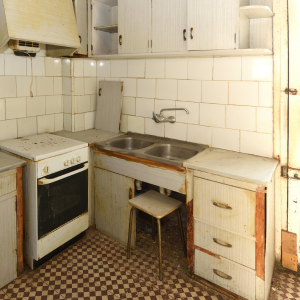
Open a few cabinet doors and watch whether they close on their own. It’s usually the first thing I check at a kitchen table, because sticking doors and soft, swollen cabinet bottoms tell every buyer who touches them that water’s been getting in.
Dated isn’t the same as broken. Oak cabinetry and laminate counters from 1998 look old-fashioned, while a sagging sink base looks expensive.
Watch for four problems: appliances so old the parts are discontinued, a floor that flexes underfoot, sink outlets without ground fault protection, and one dome fixture lighting the whole room. Those pull real dollars off offers because they hint at deferred maintenance through the rest of the property. I’ve watched buyers walk away over exactly this kind of thing. A kitchen that’s merely out of style costs you interest and showings, though it won’t make anyone suspect the structure.
If you spot one or two of these, start with the cheap fixes before you price out a full renovation. An electrician can often swap in ground fault outlets near the sink in an afternoon. A few plug-in lights under the upper cabinets brighten the room for very little. The soft cabinet floor and the flexing subfloor need more attention. Have a plumber or contractor track down the leak before you list, since a buyer’s inspector will find it anyway and write it up. Once you know what’s behind it, you can decide whether the repair is worth doing or whether selling as-is fits your timeline better. We buy houses with kitchens in any condition, and that choice stays yours.
Pros of Renovating Your Kitchen Before You Sell
One seller I met had rented out the same duplex for eleven years, and her tenant never once reported the leaking disposal. She put about $9,000 into new flooring, painted cabinetry, fresh hardware, and better lighting, then listed two weeks later. It went under contract faster than anything comparable on her street that season. I’ve seen that pattern before, once sellers finally fix the small stuff.
An updated kitchen usually means fewer days on market. Each extra month your house sits empty is another round of mortgage, tax, and insurance bills paid out of your own pocket.
Fresh finishes also protect your asking price during negotiation. Buyers who can’t point at a problem have less to argue with, so you keep more of the list price instead of handing back a credit at closing. Financing tends to go smoother too. FHA and VA appraisers flag peeling paint on homes built before 1978, and FHA wants any appliances you leave behind to work. A cash buyer would shrug at both.
A fresh kitchen does a lot of work in listing photos, too. Most buyers scroll through pictures online long before they book a showing, and the kitchen is one of the rooms they look for first. Clean counters and bright lighting make someone stop on your listing instead of swiping past. That attention can mean more showings in the first week, when interest in a new listing runs highest. It also helps a buyer picture cooking dinner there, and that feeling tends to show up in what they offer.
Cons of Renovating Your Kitchen Before You Sell

For years I told sellers that a bigger, nicer kitchen would always beat a modest one, and I was wrong about that in roughly half the houses I bought. Buyers walking through still price your house off recent sales on your street, and your contractor’s invoice never enters that math.
Go upscale and the math flips. Zonda priced an upscale major kitchen overhaul at $164,104 nationally against $58,561 in added value. That’s about 36 cents back per dollar, so you’d be paying a premium to lose more at resale. The few buyers willing to pay up for quartz and custom cabinets usually want to choose those finishes themselves. You’d be buying a worse outcome with better countertops. The same payback math applies outside the kitchen, so sellers wondering whether to replace the roof before selling a house in Massachusetts face a similar call.
Time works against you as well. Permits, cabinet lead times, and one backordered range can stretch a six-week project into four months, and the market can shift underneath you. Sellers on a deadline rarely have that cushion, whether it’s a closing on the next house, a probate timeline, or a relocation date.
Cash is the other wall. Plenty of homeowners with equity have nothing liquid for a remodeler’s deposit. Borrowing against the house means a second mortgage payment on top of the first, and a direct offer from cash home buyers in Chicopee and other Massachusetts cities can pencil out better than that. We buy the house as it stands, dated cabinets and all, and you don’t spend a dollar on a remodeler first.
What Buyers Really Want: Top Kitchen Upgrades to Prioritize
Zonda’s report covers 119 U.S. markets, and its national numbers point one way. The minor job, built around surfaces and appliances, came out far ahead of the major jobs that change the layout. Buyers notice what they can see from the doorway. Someone standing there rarely asks whether the sink moved two feet.
I tell clients to spend in a set order. Cabinet fronts and hardware come first, because they cover the most visual space for the least money. Counters are second, and a mid-grade quartz or granite remnant often prices below a full marble slab. Appliances come third, and matching stainless steel does more for a listing photo than any single premium unit. Wall moves and plumbing reroutes can eat the whole budget before anything shiny goes in.
Lighting is the upgrade people skip, and they shouldn’t. Two pendants over an island plus under-cabinet strips can change how a room photographs for a few hundred dollars. Warm white bulbs in matching fixtures keep the room from looking yellow or patchy in photos. If the ceiling still has a dated flush mount, swap it for a plain modern fixture. It shows up in every wide shot.
Backsplash tile is cheap drama. Plain white subway tile pairs with almost any counter and won’t put off a buyer with different taste. Floors matter as well, though continuous flooring between the kitchen and living areas sells better than a fancy kitchen-only material. Luxury vinyl plank is a common pick here because it handles spills and makes an open space look bigger in listing photos.
Budget-Friendly Kitchen Renovation Tips That Boost Resale Value
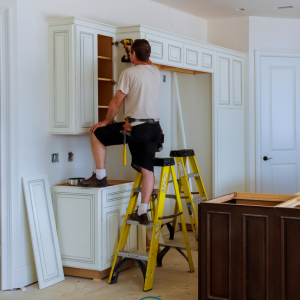
A weekend is enough for changes a buyer will notice on Monday. Paint the cabinetry a warm white or a deep green, replace every pull with matching hardware, and swap the faucet. Expect three or four hundred dollars, maybe a thousand if you hire out the painting. Clear the counters down to one or two items while you’re at it, since bare counters make a small kitchen look bigger.
Refacing beats replacing when the boxes are sound. It often runs about half the cost of new cabinetry, and nobody opening a drawer can tell. Ask the refacer for a door sample first and hold it against your counters in daylight.
Leave the layout alone. Moving the sink means plumbing, drywall, and a permit, and that one decision can double a budget in an afternoon of demolition. Put the money into surfaces a buyer sees and touches.
Last spring, a seller outside Longmeadow, Massachusetts, called me. She was three months behind on her mortgage, and an auction date was already on the calendar. Her kitchen needed everything, and her garage was stacked with boxes from her late husband’s shop. No renovation was going to finish before that date. We closed in under three weeks, and she kept her equity instead of losing it at a foreclosure auction. If you need to sell without making repairs, we, as a company that buys houses in Amherst and the surrounding Massachusetts cities, can make a cash offer and help you move forward without the expense of renovating.
Frequently Asked Questions
Do I Have to Finish the Remodel Before I Sell?
No. You can sell mid-project, and plenty of people do. On the open market, you’ll take a discount for the unfinished work. You’ll also need to disclose what’s been opened up, especially plumbing, electrical, or permits that were pulled and never closed out.
Will I Get My Renovation Money Back at Closing?
Rarely all of it, and only with a small remodel. In the 2025 report, the minor kitchen remodel was the one kitchen project that earned back more than it cost. Both major remodels came back well short. That gap is the whole argument for doing less.
What If I Can’t Afford Any Upgrades at All?
Then clean, declutter, and price accordingly. A spotless dated kitchen reads as honest. A dated kitchen with dishes in the sink and a broken drawer front reads as deferred maintenance, and buyers will assume the rest of the house got the same treatment, roof and furnace included. Some owners skip the upgrades and the open market altogether, and this guide on how to sell your fixer-upper house fast in Massachusetts without making repairs shows how that works.
Naples Home Buyers buys houses as they sit, in any condition, anywhere in Massachusetts. No commissions, no repairs, no cleaning out the garage, and you pick the closing date. When a renovation makes sense for your situation, do it, and we’ll be the first to tell you so. If it doesn’t, we’re here. If you’d like to know what your house is worth as-is, give us a call at (413) 331-6060 or fill out the short form on this page. There’s no obligation and no pressure, just a straight number and the information you need to decide what’s next.
Helpful Massachusetts Blog Articles
- Can a Jointly Owned Property Be Sold by One Owner in Massachusetts
- How To Get Your House Appraised For Free In Massachusetts
- How to Sell a House on Facebook Marketplace
- How to Find a Realtor in Another State Before You Relocate
- How to Sell Rental Property Without Paying Capital Gains Tax
- What Does Contingent Mean When Buying or Selling a House
- How Soon After Chapter 7 Bankruptcy Can I Sell My House
- Should I Remodel My Kitchen Before Selling
- Selling a House with Water in the Crawl Space in Massachusetts