
![Selling a House with a Waterlogged Crawl Space in [market_city]](https://image-cdn.carrot.com/eyJidWNrZXQiOiJwcm9kdWN0aW9uLmNhcnJvdC11cGxvYWRzLm9uY2Fycm90LmNvbSIsImtleSI6InVwbG9hZHMvc2l0ZXMvNzcwMDAvMjAyNi8xMC9TZWxsaW5nLWEtSG91c2Utd2l0aC1hLVdhdGVybG9nZ2VkLUNyYXdsLVNwYWNlLnBuZyIsImVkaXRzIjp7InJlc2l6ZSI6eyJ3aWR0aCI6MTE1Mn0sInRvRm9ybWF0Ijoid2VicCIsIndlYnAiOnsicXVhbGl0eSI6NzB9fX0=)
Three inches of standing water under a Chicopee ranch isn’t a crisis. It’s a Tuesday in March. Snowmelt hits ground that’s still frozen, so the water moves sideways until it finds the lowest gap in your foundation. I’ve crawled under houses from the Connecticut line out past the Quabbin, and a wet crawl space rarely means a home is failing. It does mean the next buyer will find it. When you’re selling a house with water in the crawl space, what you do before that moment decides how much of your equity makes it to closing.
How Do You Assess Water Problems in a Massachusetts Crawl Space
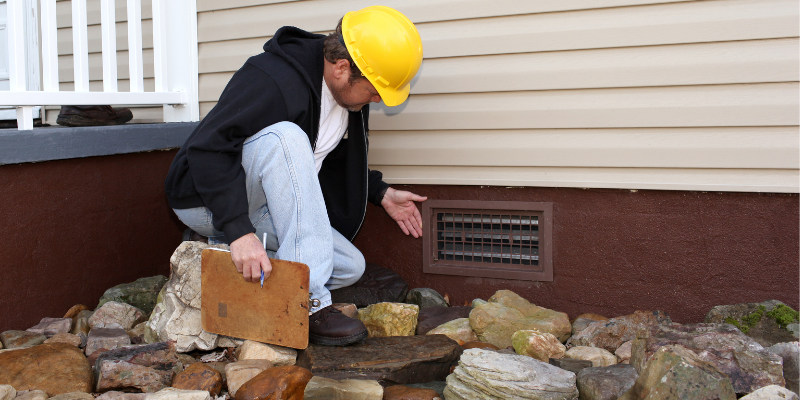
Your best route depends on what’s actually down there, and plenty of owners have never looked. Grab a headlamp and go, or pay someone to crawl in for you. You’re hunting for the source, and the puddle is just the symptom.
Groundwater seeping through a fieldstone foundation after a storm acts nothing like a slow plumbing leak dripping on dirt for two years. Check the soil for a trench where water keeps running the same path. Then walk outside and see where your gutters dump. Plenty of the wet crawl spaces I’ve seen in Worcester County come down to a downspout emptying right at the sill and a yard that tips toward the house. If a storm already pushed water into the living space, our guide on how to sell your flooded house fast in Massachusetts covers that situation.
A plumber earns the fee fast here. Water that smells, or water that’s still sitting there in a dry August, can point to a failing supply line or a cracked sewer drain.
Now look up. Dark subfloor sheathing, white fuzz on the joists, and insulation sagging loose all mean moisture has been hanging around a while. Mold under a floor doesn’t stay under the floor. Termites like softened wood too, and Massachusetts has its share.
Should you order your own home inspection before listing? If you’re going the retail route, I’d say yes. A written report from a licensed home inspector puts you in control of the timing, and you won’t be racing a buyer’s deadline. Ask about the vapor barrier, how deep the standing water gets, and whether there’s a sump pump that actually runs.
Photograph everything. A dated photo of a dry crawl space in July carries weight when a buyer starts picturing a swamp.
If you’d rather not deal with crawl space water problems, Naples Home Buyers can make a cash offer for your Massachusetts home as-is, without requiring you to handle repairs first.
Should You Fix Water Damage Before Selling a Massachusetts Home
“Can’t I just waterproof it and list in the spring?” Sure, but run the numbers first. HomeAdvisor puts full crawl space encapsulation between $5,000 and $15,000 for most homes, with a national average around $5,500. Tack on mold cleanup, sistered joists, or a French drain feeding a sump pump, and a vapor barrier job turns into five figures of foundation work.
I don’t think full encapsulation pays for itself before a sale. Buyers won’t pay extra for a sealed crawl space they’ll never see. They will knock money off for a wet one. That gap is why I point sellers toward the cheap fixes that change what an inspector writes down.
Extend the downspouts and regrade the soil against the foundation so it falls away from the house. Clean the gutters, swap out a dead pump, and lay fresh poly over bare dirt. Cheap drainage work like this often clears the standing water that scares people off, and it holds through a nor’easter.
Big repairs only make sense in one case. You’ve got the cash, you can wait on a contractor’s calendar, and the rest of the house shows well. In a Longmeadow neighborhood where buyers expect a clean inspection, spending ten grand to protect one is fair math.
For most other owners, selling as-is beats contractor roulette. If you’re short on time or money, or you live three states away, selling as-is can help you avoid the hassle of repairs and contractor coordination. If you want to avoid repair costs and contractor delays, contact us for a no-obligation cash offer on your Massachusetts home, sold as-is with no repairs needed.
Do You Have to Disclose Water Damage When Selling a House in Massachusetts

Lying about a flooded crawl space in Massachusetts can follow you past closing. A buyer who was told “it’s dry” can sue for misrepresentation or fraud. Chapter 93A, the state’s consumer protection law, mostly targets people in business, like agents and investors. Owners selling their own home usually fall outside it, though that won’t help much if you’re caught lying.
People who move here from New Jersey or Connecticut are often surprised that Massachusetts has no required seller disclosure form. Under caveat emptor, a private seller generally doesn’t have to point out defects unless asked. Nolo’s rundown of Massachusetts disclosure rules shows how narrow that duty is, and says you still have to answer honestly. Staying silent isn’t lying. Telling a buyer the crawl space doesn’t flood when it does crosses the line. Painting over a water-stained rim joist the morning of a showing is worse, since that’s hiding it on purpose.
Your agent faces stricter rules under Massachusetts disclosure requirements. Licensed Massachusetts agents must tell buyers about known material defects, and that includes a wet crawl space. Ask them to stay quiet, and you’re putting their license and your sale at risk.
Two rules apply no matter what condition the house is in. Under state and federal law, homes built before 1978 need the Property Transfer Lead Paint Notification. The Massachusetts Department of Public Health says buyers must get it before anyone signs the P&S purchase agreement. Homes on septic generally need a Title 5 inspection within two years before the sale. Your local board of health can explain your town’s rules and exemptions.
My advice runs against “say nothing.” Write down what you know, hand it over early, and price the house to match.
What Is Your Massachusetts Home Worth with a Wet Crawl Space
You’re about to tell me your neighbor sold in nine days with four offers. Maybe you will too. That neighbor also had a dry crawl space and a buyer whose lender never blinked.
Some context helps. Redfin put Springfield’s median sale price at about $349,000 for January through March 2026. Demand is real, but patience for water problems is thin. A strong Massachusetts market doesn’t protect you here, because the buyer who walks away has three other houses to see by Sunday.
This is where the real money moves. Buyers tend to discount water damage by more than the repair would cost, since they’re pricing risk instead of labor. They picture mold they can’t see and rot nobody has measured. Some also worry an insurance carrier will decline coverage or add a water exclusion. For a closer look at that math, here’s how much you lose when selling a house as-is in Massachusetts.
Mortgage lending adds friction of its own. FHA appraisal rules say a crawl space shouldn’t be too damp or have water pooling in it. An appraiser who sees either can make the loan subject to repairs. VA files raise similar questions. Conventional loans get through more often, though underwriters still ask. How much value you lose depends on how bad the water is and how hot your corner of Massachusetts is running.
How Do You Sell a House with Water in the Crawl Space in Massachusetts

Not long ago, a daughter living out of state called me about her late father’s place in Granby. Payments were behind, and an auction date was already on the calendar. There was standing water under the back half of the house, plus a garage still holding his snowblower and shelves of pickled beets. Her window was short. We closed ahead of the auction, and she never had to fly up.
You’ve got three real routes, and they don’t look much alike. You can fix the water, dry everything out, and list with a real estate agent at full retail. You can list as-is on the MLS and let the market price the unknown. Or you can sell straight to a cash buyer who builds the repair into the offer and closes with no lender involved. Investor house buyers in Westfield and the surrounding Massachusetts cities may also be an option if you want to sell without handling the repairs yourself.
Every route trades money for time. Repairing first tends to net the most on paper, if you’ve got the months and the cash to front it. As-is listings draw investors and contractors. Now and then a retail buyer can live with the mess. I’ve watched plenty of them walk once their loan officer balked.
The route that wrecks sellers is the unofficial fourth one. You list without fixing anything, say nothing, and the home inspection blows up the sale a few weeks in. Now the property carries extra days on market, a canceled contract, and a reputation among local agents. That reset usually costs more than the repair would have.
Can You Sell a Massachusetts House with Water in the Crawl Space Right Away
A Ludlow colonial I know of sat for months after the listing remarks mentioned “moisture in crawl space.” It took price cuts and drew no offers at all. The owner pulled the property from the MLS, sold as-is to a cash buyer, and handed over the keys within a few weeks.
Speed is the whole case for a direct sale. There’s no appraisal and no underwriting. Nobody’s lender orders a mold assessment the week before closing. Cash house buyers in Holyoke and other Massachusetts cities can usually put a written offer in front of you soon after walking the property, and many will close when you want.
You’re trading price for certainty. A cash offer comes in below retail, and anyone who says otherwise is setting you up for a renegotiation later. In exchange, you get a closing date that holds, no repair obligations, and no commission coming off the top. If that trade fits, here’s how we buy houses in Massachusetts from first call to closing.
Vet whoever you’re talking to. Ask for proof of funds and how many Massachusetts closings they did last year. Ask whether they’re buying the property themselves or assigning the contract to someone else. Only one of those gives you a committed buyer. If you’re facing an auction date, a probate deadline, or a move, timing can matter more than price, and more so when the other choice is losing the house.
What Are the Most Common Questions About Selling a Massachusetts House with Crawl Space Water
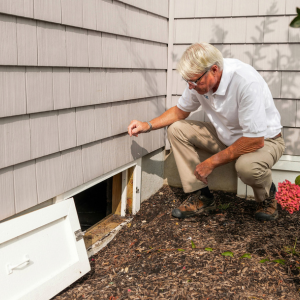
Most sellers overthink the water and underthink the paperwork.
The question I hear most is whether a buyer will walk after seeing the crawl space. Retail buyers often do. Investors rarely do, because they’ve budgeted for it before they pull into the driveway. Knowing who you’re selling to matters more than how the crawl space photographs.
Next up: should you get three contractor estimates before deciding? Get one, maybe two. A stack of competing numbers can freeze people for weeks, and the water keeps working on the subfloor the whole time.
People also ask about insurance. Standard homeowners policies typically exclude groundwater seepage and surface flooding, though a sudden burst pipe is a different conversation. Call your carrier before you assume anything. Do it before you file a claim, too, since a denied one can still land in your property’s claims history.
A woman in Wilbraham reached out last spring about her father’s split-level. The crawl space had been taking on water for years under a rolled-up pile of oriental rugs nobody had touched since the nineties. She was settling his estate that week and moving her mother into assisted living right after. We bought it as-is. She kept what she wanted, and the cleanout stopped being her problem.
Frequently Asked Questions
Is Water in a Crawl Space a Common Problem Around Here?
Very common, most of all in older New England housing stock sitting on fieldstone or block foundations. Spring thaw, coastal storms, and heavy clay soil all push moisture toward the lowest point of a house. Some dampness after a hard rain doesn’t mean your foundation is compromised. Standing water in dry weather is a sign to take seriously.
What Hurts a Home’s Value More Than Anything Else?
Anything a buyer reads as structural or health-related. Foundation movement, active mold, a failing septic system, and unpermitted work take bigger bites than cosmetic issues ever will. Water in a crawl space hints at a couple of those at once. That’s why the price hit often runs past the repair bill.
What Does It Cost to Dry Out and Repair a Crawl Space?
That depends on whether you’re fixing drainage or rebuilding wood. Gutter extensions, regrading, and a fresh vapor barrier sit at the cheap end and solve a surprising number of cases. A full encapsulation with a dehumidifier and sump system falls in the range covered earlier, and mold work or joist replacement pushes you past it. Get the scope in writing before you get a price. If you’d like a cash number to compare against it, we’re happy to take a look, no strings attached.
If you’re selling a house with water in the crawl space, a licensed home inspector or waterproofing contractor can help you find where the water’s coming from and what the repair will really cost. If you’d rather skip the repairs, Naples Home Buyers can make a cash offer on your house as-is and walk you through your options without a traditional listing. Call us at (413) 331-6060 to talk through your situation and decide on your next steps.
Helpful Massachusetts Blog Articles
- Can a Jointly Owned Property Be Sold by One Owner in Massachusetts
- How To Get Your House Appraised For Free In Massachusetts
- How to Sell a House on Facebook Marketplace
- How to Find a Realtor in Another State Before You Relocate
- How to Sell Rental Property Without Paying Capital Gains Tax
- What Does Contingent Mean When Buying or Selling a House
- How Soon After Chapter 7 Bankruptcy Can I Sell My House
- Should I Remodel My Kitchen Before Selling
- Selling a House with Water in the Crawl Space in Massachusetts