

Legal Framework for Addressing Tenant Damage
What Legal Rights Do Landlords Have?
As a landlord, knowing what you can do legally is essential. In Massachusetts, landlords have rights when tenant problems or property damage occur. Here’s what you should know:
- When a landlord and a tenant disagree, it’s usually over the terms of the lease or the state of the property.
- Massachusetts Landlord Rights: You can take repair costs out of the security deposit if the damage exceeds normal wear and tear.
- Liability for Damage to Property: Renters have to fix anything they break. Landlords can sue for fix money if they have to.
- Security Deposit Deductions: Keep track of the damage so you can explain why the security deposit was taken away.
- Action in Court for Tenant Damage: If talking things out doesn’t help, you may need to go to court, especially if the damage is big.
- Property Damage Eviction: If the damage is bad enough and breaks the lease, the tenant may be kicked out.
Understanding Massachusetts Rental Property Laws
Knowing Massachusetts rental laws helps both landlords and tenants. Here’s how these laws help keep things fair:
- Massachusetts Rental Laws:These rules say what people must do, like keeping the property safe and being fair to everyone.
- Massachusetts Housing Court: This court handles issues like rent not paid or damage to property.
- Rental Property Maintenance: Landlords need to keep their properties safe and fix things that are broken.
- Lease Agreement Damage Clauses: It should be very clear in leases what the renters need to do to keep the place clean.
- Tenant Compensation Claims: If a landlord’s mistake ruins tenants’ things, tenants can ask for money.
- Massachusetts Tenant Rights: People who rent should live in homes that are safe and well-kept.
How to Document Damage for Legal Purposes
To deal with the law, you need to keep track of the damage. How to do it right:
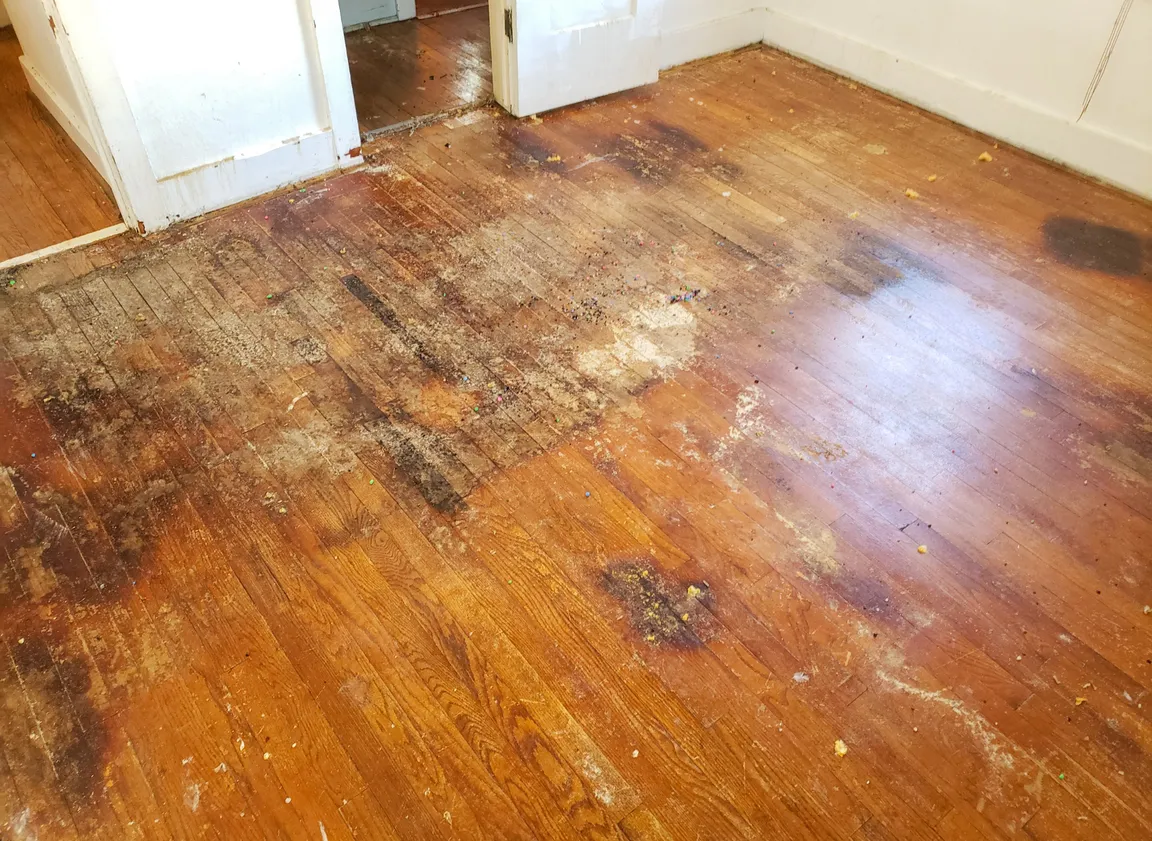
- Property Damage Documentation: Make a list of all the damage and take pictures of it as proof.
- Tenant Repair Notice: Write down what you found and what needs to be fixed and give it to the renters.
- Tenant Move-Out Inspection: Check the place carefully when a tenant leaves to see what’s different.
- Damage Assessment Rental: Write a full report about how bad the harm is.
- Damage Cost Estimates: Ask repair experts how much it will cost to fix the damage.
- Repair Cost Recovery: Use your proofs to get repair money back from the deposit or court.
- Property Damage Protection: Consider insurance covering damages to protect against problems later.
Knowing these things can help landlords manage their properties better and deal with tenant issues effectively. For more information, check out the resources offered by Naples Home Buyers.
Responsibilities and Obligations of Tenants
What Are Tenants Required to Maintain?
You have some important things to do as a renter. Massachusetts rent rules say that people who rent must keep their homes safe and clean. Fixing small problems is important, like changing light bulbs or clearing out drains. You need to keep things from getting broken and let your owner know right away about big problems. Regularly test smoke alarms and make sure all machines are in good shape. These are things that renters should do.
How Can Tenants Avoid Liability for Damages?
You might want to get renter liability insurance to keep from having to pay for damage. This kind of coverage helps pay for the costs if damage is done by chance. See if there are any rules about damage in your lease. By following these tips, you can avoid looking careless. Write down everything you need to do as a renter. These steps will help you know what to do and keep the property safe.
What Steps Should Tenants Take After Causing Damage?
If you break something by accident, do these things:
- Notify Your Landlord: Send your landlord a repair letter right away.
- Document the Damage: Take shots or videos of the damage to show proof.
- Assess the Damage: Find out how bad the damage is.
- Discuss Repairs: Figure out how bad the damage is.
- File Claims: Talk to your owner about what needs to be fixed and who will pay.
It’s possible to keep a good relationship with your landlord and keep your home nice if you know what to do and act quickly. If you need more help, you can get it from Naples Home Buyers.
Effective Strategies for Damage Prevention
How Can Landlords Minimize Tenant-Induced Damage?
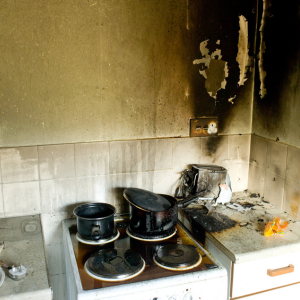
Landlords need to make sure that their rental homes are in good shape. To cut down on damage from renters, try these things:
- Tenant Damage Prevention: Do background checks and check references on possible tenants very carefully. These steps will help you find renters who will be responsible.
- Rental Property Maintenance: It’s important to do regular upkeep. To save time and money, fix small problems before they get worse.
- Lease Agreement Clauses: The lease should have clear rules about what the renter is responsible for and how to keep damage from happening. Making sure everyone knows what to expect from the start helps everyone understand each other.
- Landlord Responsibilities: Inspect the property before and after tenants move in. Take pictures or videos to document the property’s condition.
- Damage Control Strategies: Make sure your renters know how to report damage. Fix requests as soon as possible to stop more damage.
- Property Management Practices: Talk to renters a lot. Please tell them to report problems right away.
Knowing the rental rules in Massachusetts can help you deal with damage caused by tenants in the best way possible.
Practical Tips for Maintaining Rental Property
It’s important to take care of your rental home. Here are some useful tips to help with upkeep:
- Regular Maintenance: Make sure that systems like plumbing and HVAC are checked on a routine basis. Check-ups should be done every so often.
- Property Inspection Checklist: To make sure you notice everything during property checks, make a checklist.
- Preventive Measures: To avoid having to pay a lot of money for repairs later on, take preventative measures like having smoke alarms and good ventilation.
- Landlord Maintenance Tips: Keep a list of trustworthy workers in case of an emergency. Making a plan for property inspections can save time and trouble when repairs need to be done quickly.
- Property Upkeep: Keep the lines of communication open with renters so they feel free to report problems. You can stop small problems from getting worse by acting quickly.
Following Massachusetts’s rules for property maintenance helps you stay in line with the law and keeps your renters happy.
Utilizing Lease Agreements for Damage Control
Lease agreements are valuable tools for managing property damage risks. Here’s how to use them well:
- Lease Agreement Terms: Clearly define tenant obligations for property care. Clarifying roles and responsibilities at the start ensures everyone understands their duties.
- Damage Liability Clauses:Put in terms that say who is costing different kinds of harm. Making this clear can stop arguments about who is responsible.
- Security Deposit Deductions: Damages will be covered by the security deposit. Tell roommates how this works. Being open and honest builds trust.
- Tenant Obligations: List tasks tenants are responsible for, like yard work or changing light bulbs.
- Lease Enforcement: Consistently enforce lease terms. Fair but firm enforcement creates respect between tenants and landlords.
- Rental Contract Conditions: Ensure all conditions follow Massachusetts rental agreements to avoid legal issues.
By using lease agreements well, landlords can protect their properties and lower the risk of tenant-related damages.
Resolving Disputes Over Property Damage
When you rent a house in Massachusetts, the land can be damaged. To maintain a positive tenant-landlord relationship, these issues must be addressed swiftly and in part.
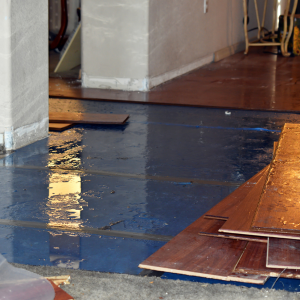
What Processes Are Involved in Damage Dispute Resolution?
Usually, fixing property damage disputes involves several steps. You should know about Massachusetts rental laws, which explain how to handle these issues. It’s essential to have proof of the damage. Take photos, note dates, and keep receipts.
Taking money out of a security deposit can often lead to fights. This deposit could be used by landlords to fix damage, but renters also have rights. We can avoid mistakes if we talk to each other well. If there are still problems, mediation between the tenant and the owner can help. If everything else fails, going to court is the only thing left to do.
Options Available for Tenant-Landlord Mediation
Mediation is a way to settle disagreements without going to court. In Massachusetts, housing courts and mediation programs help tenants and landlords work out their differences. These services help both sides talk about things like who is responsible for property damage and renter repairs in a neutral setting.
Mediation can clear up confusion and help people come to an agreement. This is good for both renters and landlords because it saves time and money compared to going to court.
How to Negotiate Damage Reparations Without Litigation
To escape expensive court battles, you need to be able to negotiate. First, take a look at all the damage. Both sides should be clear about what they want and what worries them. Talking about tenant compensation claims and repair cost collection early on can help keep things from getting worse.
Good negotiation means knowing each party’s tasks, like tenant repair obligations and property damage liability. Think about mediation if talks don’t go well. Getting legal advice can also help you know your rights and options.
If you follow these steps, you can settle disagreements without violence, which will make sure your rental goes smoothly.
FAQs:
What should tenants in Massachusetts know about property damage?
Massachusetts renters should know what they can and can’t do when it comes to damage to property. If they say there was damage beyond regular wear and tear, they need to show proof. Keeping records and pictures can help you work out your differences with renters.
How can landlords in Massachusetts fix issues with tenant damage?
Before a renter moves in, landlords should take pictures or videos of the place. By keeping receipts and repair quotes, you can later show how bad the damage was, which can help solve these issues.
What is the difference between normal wear and tear and damage?
Normal wear and tear can cause rugs to wear out or paint to fade. Damage can be things like holes in the walls or stains on the rugs. Both renters and owners can do their jobs better if they know the difference.
How should security deposits be handled for property damage in Massachusetts?
The security fee should cover damage that isn’t caused by normal wear and tear. For renters, landlords need to show a detailed list of deductions along with papers or proof of repair costs. Tenants should keep records of how the house looked before they moved out.
What can tenants do if they are unfairly charged for property damage?
Tenants should get proof, like pictures and movies taken before they leave. They can either complain to the local housing authority or go to court. It is very important to know your tenant rights in these circumstances.
What role do pets play in property damage checks in Massachusetts?
Pets can scratch or stain things and make them look bad. People who rent with pets should keep the place clean and take care of any problems right away. For damage caused by pets, landlords may ask for extra rent or cleaning fees.
How does knowing property ownership laws help Massachusetts landlords and tenants?
Landlords and renters can better understand their responsibilities and finances when they know the rules about property ownership. It makes sure they follow the rules and keeps things calm between them so there aren’t any fights.
Where can tenants and landlords find more info about their duties in Massachusetts?
There are a lot of tools out there, like online guides, local housing authorities, and legal aid groups. They tell people about their rights as a renter or landlord and help with problems or questions.
Key Insights
- People who live in Massachusetts and want to sue their owner for breaking an agreement must show proof.
- We give easy advice on how to fix damage caused by tenants and keep homes in their original state so they can be sold again in the future.
- When tenants leave or move out, landlords need the right paperwork and registered things to get their money back.
- Investors and renters in Massachusetts should know what tenants can and can’t do to follow the state’s rules.
- Video clips, photos, and copies of important papers can be used to settle disagreements about damage caused by renters.
- When tenants leave, they should return personal property in the same way they found it. If you don’t, renters may take repair costs out of your deposit.
- People who deal in real estate or manage property need to know the Massachusetts real estate rules.
- Property owners can do well if they have a good business plan that includes ways to deal with late payments and mortgage charges.
- By joining our group, you can use shared tools, stay up to date on industry standards, and get the business licenses you need.
- Visit our site and look at the tools we offer to find out more or to join our group of investors.
These details apply to the entire state of Massachusetts, including cities like Springfield, Amherst, Greenfield, Huntington, and Hadley, as well as their surrounding areas. If you require extra assistance or have particular inquiries, please contact us at (413) 331-6060. Please see our website, Naples Home Buyers, for more information and complete descriptions of our services.
Sell Your House in Massachusetts For Cash 💰
We buy houses in Massachusetts In ANY CONDITION! We pay CASH and you will not pay any commissions, agents, or fees. Enter your address to get your cash offer in 24 hours or less!
Resources To Help You Sell A House in Massachusetts
Give Us A Call At (413) 331-6060
If you require additional assistance or have specific questions, please do not hesitate to Contact Us at (413) 331-6060. You Can also visit our Homepage at Naples Home Buyers for more information and detailed descriptions of our services.