


Essential Real Estate Forms and Documents for Massachusetts Home Sellers
What types of contracts are required in a home sale?
In Massachusetts, you need certain papers and real estate forms to sell a house. A formal and smooth home sale is made possible by these papers. Important papers include:
- Listing Agreement: This contract with your real estate professional defines their duties and your agreement terms.
- Purchase and Sale Agreement: A binding contract that contains the sale’s details.
- Offer to Purchase: An initial agreement signed by the buyer and seller before finalizing the sale.
There is no way for the real estate sale to go forward without these papers.
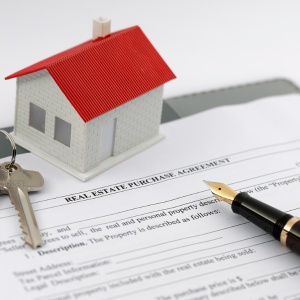
Key information included in a purchase and sale agreement
A purchase and sale agreement is a vital real estate contract detailing the property sale. Key components include:
- Parties Involved: Names of the buyer and seller.
- Property Details: Description and address of the property.
- Purchase Price: The amount the buyer agrees to pay.
- Earnest Money Receipt: Proof of the buyer’s deposit to secure the contract.
- Contingencies and Conditions: Specific terms to be met for the sale to proceed.
- Closing Date: When the property ownership will be transferred.
This agreement gives you all the information you need to follow the law.
Importance of the property disclosure form
For people selling a home in Massachusetts, the property disclosure form is very important. It has the seller’s statement of the property’s health, which gives buyers more information. Disclosures that must be made include:
- Lead Paint Disclosure: Homes built before 1978 require disclosure due to health dangers.
- Radon Disclosure: Data on radon levels, which is a health hazard due to this gas.
This is legally required material and is also a good way to develop confidence with potential purchasers by reporting any known difficulties.
Understanding Massachusetts Title Transfer Requirements
How does the title transfer process work?
In Massachusetts, the title transfer process entails numerous steps and paperwork required to officially shift ownership:
- Preparation of Transfer Documents: Gather the deed and any other required documents.
- Execution of the Deed: The seller signs the title to the buyer.
- Recording at Registries of Deeds: All documents are recorded in public records, completing the transaction.
This process is essential for a legally recognized ownership transfer.

Required legal documents for transferring ownership
Certain legal paperwork is required to transfer property ownership in Massachusetts. This includes:
- Deed: The main document that shows ownership transfer.
- Bill of Sale: Used if personal property is included in the sale.
- Other Documents Needed: If needed, documents or lien releases could be included.
Having these documents ready prevents future ownership disputes.
Role of registries of deeds in Massachusetts
Registries of deeds play a key role in Massachusetts real estate transactions. They handle:
- Document Recording: Making sure that all official real estate papers, like deeds, are kept.
- Maintaining Public Records: Keeping an accessible record for legal compliance.
- Facilitating Title Transfers: Assisting in confirming ownership and preventing fraud.
Understanding registries of deeds helps sellers meet legal standards during real estate transactions.
For more detailed guidance, explore the Massachusetts Registry of Deeds resources to ensure the correctness of your real estate documents and processes.
The Significance of Home Inspections in Massachusetts
Want to sell half your Massachusetts house? You need the deed, property survey, mortgage papers, and disclosure filings. A Massachusetts house inspection is essential to find issues and verify paperwork.
Why Are Home Inspections Important?
- Ensuring Property Safety
- Inspectors check for problems like structural damage, electrical faults, and plumbing leaks.
- They also look for hidden issues such as mold and water quality concerns.
- Meeting Legal Requirements
- Understanding Massachusetts home inspection rules aids compliance.
- Provides proof of repairs, which can help during negotiations.
- Buyer Confidence
- A solid buyer inspection checklist helps buyers know the property’s true state.
- Ensure that any pest problems have been resolved.
Buyers and sellers can feel more confident in the real estate transaction by following a detailed inspection process.
Navigating Massachusetts Closing Costs and Fees

Selling a house in Massachusetts involves dealing with various closing costs and fees. These include a mix of necessary sale documents and can significantly affect the financial outcome.
Understanding Closing Costs
- Typical Expenses
- Attorney fees: For legal advice and representation.
- Escrow instructions: Handling of funds and transfer steps.
- Deed preparation: Ensures legal transfer of ownership.
- Financial Considerations
- Knowing the Massachusetts closing cost breakdown helps avoid surprises.
- Use lien release forms and mortgage payoff documents to clear debts.
Key Documents Needed
- Essential Sale Documents
- Deed: Confirms property transfer.
- Property taxes: Cover any remaining tax duties.
- Negotiation and Transaction Strategy
- Using smart negotiation strategies can cut costs.
- Preparing clear real estate forms and transaction documents makes the sale smoother.
Handling these concerns thoroughly facilitates the transfer and complies with Massachusetts rules. Paying attention to these steps prepares you for a flawless closing.
Naples Home Buyers is ready to guide your real estate journey, offering expert advice and resources to handle these tasks confidently. Whether selling or buying a home, knowing these critical parts will lead to a smooth transaction.
Legal Disclosures Required for Selling a House in Massachusetts

When you sell a house in Massachusetts, you must provide certain disclosures to buyers. This keeps everything open and follows state laws.
What Mandatory Disclosures Must Sellers Provide?
In Massachusetts, sellers need to give these documents to buyers:
- Massachusetts Property Disclosure Form: Lists known issues and features of the house.
- Lead Paint Disclosure: Required if the home was built before 1978. This is due to federal rules about lead-based paint.
- Radon Disclosure: Not always required, but sharing any test results with buyers is a good idea.
- Smoke Certificate Requirement: Needed before closing. It shows that smoke detectors are working.
- Seller’s Statement of Property Condition: Gives details about the house’s physical condition.
These documents are essential. They help make sure everyone knows about the house’s condition.
Understanding the Lead Paint and Radon Disclosure Requirements
For lead paint, you must provide a pamphlet called “Protect Your Family from Lead in Your Home” and any test records. Buyers have ten days to do their inspection for lead.
Disclosure isn’t always required for radon, but sharing test results can build trust. It’s a good practice to include radon information in the Massachusetts property disclosure form.
Consequences of Failing to Disclose Relevant Information
In Massachusetts property law, failing to disclose vital facts can have serious legal consequences. Sellers could be sued, fined, or forced to cancel the sale. The remedy for these problems is honesty.
Importance of a Comparative Market Analysis (CMA)
A Comparative Market Analysis (CMA) can help you price your house correctly. It evaluates sales of comparable homes to verify it’s a fair price.
How Does a CMA Help in Pricing Your Home?
The CMA report gives you:
- Recent prices of similar homes
- Local market trends
- Current and expired listings
This info supports a solid home appraisal and helps set a price that matches the market. You can list your home at a fair price using the CMA data.
Key Elements Included in a Comprehensive CMA Report
A CMA report usually includes:
- Market Analysis: Brief on local real estate trends that could affect your price.
- Price Estimates: Based on recent sales of similar homes.
- Important Parts: Details like the size, age, and updates of your home’s square footage are looked at.
Utilizing CMA Data to Attract Potential Buyers
With a strong CMA, you highlight your home’s best features to attract buyers. Working with a skilled real estate professional, the CMA report becomes a key part of your marketing plan. This helps you show off your home well.
This company can help you every step of the way when you’re selling your house in Massachusetts. They will make sure you follow the rules about disclosure and use CMAs to get the best sale result.
Preparing Your Home for Sale: Improvement Tips

When your home is ready to sell, focus on improvements to increase its value. A smart plan can make your home more appealing and attract more buyers in the competitive Massachusetts real estate market.
What Improvements Typically Increase Home Value?
You don’t need a major renovation to boost your home’s value. Consider these practical upgrades:
- Making changes to your kitchen and bathroom: Buyers are interested in kitchens and baths. New fixtures or modern tools are two simple changes that can add a lot of value.
- Curb Appeal Enhancements: First impressions are essential. Think about landscaping, painting the exterior, or updating the front door.
- Energy Efficiency: Putting in solar panels or windows that use less energy can help you sell your home and attract buyers who care about the environment.
Knowing current real estate market trends can help you choose the right upgrades to enhance your home value.
Strategies for Staging Your Property Effectively
Good property staging accentuates your home’s best characteristics. Try these strategies:
- Neutral Decor: Use neutral colors to appeal to more people.
- Declutter: A clean space lets buyers imagine living in your home.
- Professional Photography and Virtual Tours: High-quality photos and virtual tours give buyers a good look at your home and can improve their perception.
Good interior design can affect buyers’ feelings and help them connect with the space.
Marketing Techniques to Showcase Your Home
In today’s digital environment, effectively marketing your home is essential for attracting buyers. Here’s how.
- Online Listings: Use top real estate websites to reach more people.
- Social Media: Share photos and videos to engage potential buyers.
- Virtual Tours: Offer an interactive look that lets buyers explore your home from anywhere.
Mixing digital efforts with traditional methods can help your property stand out.
Evaluating Offers and Negotiation Strategies
After someone shows interest in your home, you’ll need to look at offers and work out a deal to sell it.

What Should Sellers Consider When Evaluating Offers?
As offers come in, think about these points:
- Purchase Agreement Terms: Make sure they match what you want and when.
- Buyer Financing: Check the buyer’s financial position to avoid future complications.
- Contingencies: Avoid adding too many conditions, as this may make selling more difficult.
Each offer needs careful thought, balancing what you need now against future benefits.
Effective Counteroffer Tactics
Negotiating is essential for getting the best price. Here’s how to manage counteroffers:
- Learn What Drives the Buyer: If you know what drives the buyer, you can give yourself an edge.
- Price Adjustments: Be open to changing the price within reason to keep talks going.
- Highlight Unique Features: Use special parts of your home in negotiations.
You can stay in charge during talks if you use these strategies.
Balancing Multiple Offers and Finalizing the Sale
Getting multiple offers is great, but it needs careful thought:
- Evaluate Each Offer’s Strengths: Compare terms, financial stability, and conditions.
- Decide Promptly: Use the multiple offers to make a quick, informed decision.
- Seal the Sale: After picking the final offer, focus on closing quickly to prevent the sales from falling through.
In the Massachusetts real estate market, mastering these skills will help you get the most out of your home and be happy with your purchase.
For more expert advice on selling your home, visit Naples Home Buyers.
Enhancing Marketability: Photography and Virtual Tours
In today’s digital world, showing your property well is key to online exposure. Photography and virtual tours can make your home look great and attract buyers.

Why Photography Matters
- First Impressions: Clear, professional photos make your home stand out.
- Highlight Features: Show off special parts of your home.
- Boost Engagement: Photos grab attention and make buyers want to learn more.
The Role of Virtual Tours
- Interactive Experience: Let buyers take a detailed tour from anywhere.
- Time Efficiency: Buyers can view the property whenever they want, especially in busy times.
- Enhanced Marketing: Works with regular listings to increase interest.
Hiring professionals specializing in real estate photography and virtual tours is wise. This can boost your online property exposure and help you sell your home faster.
Understanding Massachusetts Property Taxes for Sellers
If you’re selling a home in Massachusetts, you should know about property taxes. Massachusetts property tax records and costs: what sellers need to know.
Key Considerations for Sellers
- Property Tax Obligations: Ensure all property taxes are paid until closing.
- Massachusetts Property Tax Documents: Prepare all necessary documents for a smooth transaction.
- Closing Costs: Include taxes in your overall costs, which may have a prorated tax credit for the buyer.
Exploring Tax Incentives
- Potential Savings: Check if any tax incentives apply that could lower your costs.
- Consulting Experts: Talk to a tax professional to understand complex property sale documents and find possible savings.
Knowing these things can make the process smoother and help you plan for costs. For more help, contact real estate experts or legal advisors who know Massachusetts tax laws. This way, you’ll be better prepared for a successful sale.
FAQs:
What documents are essential for selling a house in Massachusetts?
In Massachusetts, you need a deed, a smoke certificate, and a statement from the seller about the property’s health in order to sell it. Title protection, sales agreements, and warranties all make transactions easier.
How do I prepare a checklist for selling my home in Massachusetts?
Make a checklist to manage your house sale. List home valuations, property taxes, utility transfers, and inspections. A flat-fee MLS listing can increase visibility and prepare you for the selling process.
Are there specific disclosure requirements when selling a house in Massachusetts?
Yes, Massachusetts requires certain disclosures. You must provide a lead paint disclosure if the home was built before 1978. A radon disclosure and smoke certificate might also be necessary. Having these disclosures ready protects both buyer and seller.
Do I need a realtor to sell property in Massachusetts?
A realtor isn’t necessary, but their expertise can be useful. Realtors provide market information, pricing advice, and sophisticated paperwork. FSBO lets you sell the property yourself.
What should I consider about home staging and marketing?
Good marketing and staging can make your home more appealing. Use professional photography and virtual tours to show off key features. Think about the best time to list your home for maximum interest. A well-staged home attracts buyers better.
How does the homeowner association (HOA) affect property sales in Massachusetts?
If your property has an HOA, you must give buyers the HOA rules, fees, and special assessments. These documents help buyers understand property costs and responsibilities and may influence their purchase. If you want to opt out of your HOA, it may be harder to sell a property without first meeting these obligations. Whether you stay or sell, understanding these factors can ease your transition.
What is the importance of an appraisal in the selling process?
You can negotiate and price your home based on an appraisal. Loaners require this for purchase finance. Your home is valued against nearby similar homes.
What steps should I take to prepare for closing day in Massachusetts?
Gathering documentation, understanding closing costs, and doing a final walk-through prepare for closing. An attorney can review documents to avoid issues at the last minute.
Key Insights
- We provide a complete list of documents needed for selling a house in Massachusetts, including real estate forms and property sale paperwork. 📑
- The selling process in the Commonwealth of Massachusetts involves papers like deeds, disclosure forms, transfer documents, and real estate transaction forms.
- Homeowners must prepare for the real estate closing with essential Massachusetts house closing checklists, such as utility transfer papers and title insurance checks.
- Selling property in Massachusetts requires attention to specific legal needs, such as lead paint disclosure, smoke certificate, and radon disclosure.
- Sellers should prepare a detailed seller’s statement of property condition to ensure compliance with state property survey and appraisal requirements.
- Manage costs effectively during property sales with strategies like flat fee MLS listings, appraisal negotiation, and knowing the closing cost breakdown.
- To draw in buyers, use expert tips on home staging, real estate photography, and virtual tours to ensure good marketing and visibility.
- For those thinking about FSBO (For Sale By Owner), we offer advice on handling direct negotiations, preparing earnest money receipts, and managing counteroffers well.
- Work with realtors and real estate brokers to ensure that all paperwork, from escrow instructions to lien release forms, is correct and meets Massachusetts conveyancing requirements.
- Stay informed with updates on Massachusetts real estate trends and expert advice by accessing our law library resources and receiving timely news roundups.
These details apply to the entire state of Massachusetts, including cities such as Springfield, Amherst, Greenfield, Huntington, and Hadley, along with their surrounding areas. If you need additional assistance or have questions, please contact us at (413) 331-6060. For more information and a full overview of our services, please visit our website, Naples Home Buyers.