


Understanding Squatters: What They Are And How They Operate
Squatters, or hostile possessors, occupy the property without the owner’s permission or consent. In Massachusetts, squatters have legal rights that allow them to achieve property ownership, provided they meet certain prerequisites.
These rights come from English common law and have been written into state laws. A lot of the time, squatters go after empty or ignored homes and may use a variety of tactics to stay there for a long time.
They could fix up the house, pay the taxes, or even sue the real owner. Landowners and renters in Massachusetts need to understand squatters’ rights in order to protect their houses from possible adverse possession claims.
The Legal Definition Of Squatting In Massachusetts
In Massachusetts, squatting refers to occupying a property without authorization or legal rights. It is considered trespassing and may have legal ramifications for homeowners and tenants.
A person is a squatter if they do not have any deals with the property owner to own or rent the space. So, if someone lives in a property that has been left empty, they are still legally squatting unless the owner gives them permission to do so.
People who own land and people who rent land both need to understand this law idea to protect their rights and property.
Exploring The History Of Squatters Rights In Massachusetts
In Massachusetts, squatters’ rights, also known as adverse possession, have a long past that goes back to when European settlers came there in the early 1600s. During this time, people were often given land without the right paperwork or clear boundaries, which led to disputes over who owned it.
People who have lived on land for a certain amount of time can claim formal title. This is called squatters’ rights. Massachusetts’s squatters’ rights laws have changed and gotten better over time thanks to court decisions and changes to the law.
Today, both renters and landlords need to know about these rights in order to protect their property from future claims of adverse possession. Looking into the past of squatter’s rights in Massachusetts can help you understand where they came from and how they still apply today.
State Laws Governing Squatting In Massachusetts
In Massachusetts, specific regulations govern the rights and obligations of both homeowners and renters in terms of squatting. Squatting is occupying property without permission or legal rights.
In Massachusetts, squatters who stay on someone else’s land without permission can be charged with trespassing and face legal consequences. There are times, though, when squatters may have rights under state law, like adverse ownership.
This means staying on someone else’s property for a long time without their permission. Homeowners and renters need to know their rights and responsibilities when it comes to squatting so that there aren’t any arguments or legal issues.
Knowing Your Rights As A Property Owner: Dealing With Squatters
Property owners in Massachusetts who have to deal with squatters need to know what their legal rights are.
A person who lives on someone else’s land without permission or a good reason is called a squatter.
It might be scary to think that someone could live on your land without your permission, but laws protect both homeowners and renters.
If you know what squatters’ rights are and what you can do as a property owner, you can handle any issues that may come up.
The Role Of Adverse Possession In Squatter Cases
A big part of squatter claims in Massachusetts is adverse ownership. This legal idea says that someone can claim to own a place if they stayed there and changed it without the real owner’s permission.
People can only claim adverse possession if they have been using the property in a way that is obvious to everyone, have had full and unrestricted access for a certain amount of time, and now want to claim ownership. People who own or rent a home should know that adverse possession can only be used as a defense against removal or to get a claim to the property after a certain amount of time has passed.
You can’t use it to get free property that you don’t have a claim on first. When owners and renters in Massachusetts have to deal with squatters, they need to know all about adverse possession.
Common Misconceptions About Massachusett’s Squatters Rights
People who rent or own homes in Massachusetts often get squatters’ rights wrong, which can lead to problems and even legal issues. People often think that squatters automatically own a place after living there for a while.
But this isn’t true in Massachusetts. People who legally own land can only take back land that squatters have lived on for 20 years without being fought by the legal owner.
People who squat on someone else’s land in Massachusetts also can’t get legal rights just by paying property taxes or services on that property. Sometimes, squatters may have a stronger case to control the property if they only pay rent to the real owner.
People who own or rent property should know about these false ideas and the real rules in Massachusetts about squatters’ rights so there are no misunderstandings or arguments.
Navigating The Eviction Process For Squatters In Massachusetts
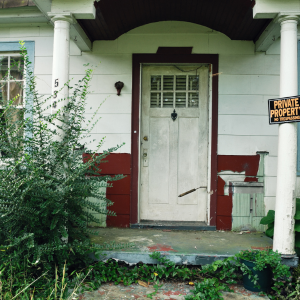
Squatters’ rights in Massachusetts can be a difficult and perplexing matter for homeowners and renters. The eviction process for squatters in the state is important to grasp.
In Massachusetts, squatters are people who live on someone else’s land without permission. The property owner has to take certain legal steps set by state law in order to get rid of them.
This is what you need to do to get rid of a squatter: give them written notice, make an eviction complaint, and go to court. Homeowners should talk to an experienced lawyer about how to get through this process.
Renters may be protected if they let a squatter into their rental flat by accident. People should know what their rights are. People who own or rent property in Massachusetts need to know how to remove squatters in order to protect their property.
Identifying Signs Of Illegal Occupancy: How To Spot A Potential Squatter
In order to understand squatter’s rights in Massachusetts, both landlords and renters need to know how to spot illegal occupancy. Finding potential thieves helps you stay out of trouble with the law and protects your property.
Illegal occupancy is usually shown by people staying on the property without permission, utilities being used without permission, and changes being made to the property without permission. More people walking around or weird cars on the property may be signs of illegal occupancy.
If you are a homeowner or renter, you need to be aware of these signs and take action to protect your rights.
Understanding The Differences Between Trespassing And Squatting
To understand squatters’ rights in Massachusetts, it is important to know the difference between trespassing and squatting. There are important differences between the two, even though both involve someone being on someone else’s land without permission.
The most common definition of trespassing is entering someone else’s property without permission with the plan to leave quickly. But squatting is when someone lives on someone else’s land without permission and says they have the legal right to do so.
In some cases, this could mean that the person has been living on the land for a long time or thinks they have a legal right to be there. These differences are important for both homeowners and renters to know in order to protect their rights and property.
Legal Consequences For Both Parties Involved In A Squatter Situation
When talking about squatters’ rights in Massachusetts, it is very important for renters and landlords to know what the legal consequences could be. If someone squats on someone else’s land, it could cost them a lot of money and hurt them.
They could also be sued if they try to get rid of the squatter without following the right rules. Renters who aren’t supposed to be there can be fined or even arrested, and they’ll also have to pay the house for any damage they cause or lost income.
In a renter situation, both sides need to know what the law says about their rights and responsibilities in order to stay out of trouble.
Protecting Your Property From Future Incidents Of Squatting
Protecting their homes from future squatting is one of the most important issues for Massachusetts homeowners and renters. Squatting, which is also called “adverse possession,” is when someone lives on someone else’s land without permission for a certain amount of time and then claims legal ownership.
To escape this, you should know what rights you have as a property owner and take the right precautions. This means keeping an eye on your land, making sure the lines between it and other properties are clear and easy to see, acting quickly if you think someone is trespassing or living there without permission, and getting legal help if you need to.
Being alert and taking action can help you protect your property and keep you from having to deal with squatters’ rights again.
The Role Of Local Authorities In Handling Massachusett’s Squatter Cases
In Massachusetts, local governments are very important when it comes to protecting the rights of both landlords and renters who are squatting. These groups, like city or town councils and police, can look into complaints and take formal action against people who are squatting on property without permission.
They also make sure people who are squatting follow the rules and laws, like how to get kicked out. Local governments can also help property owners and renters stop and deal with squatting issues by giving them tools and information.
People can better understand their rights and choices when they are in a possible squatting situation in Massachusetts if they work closely with these officials.
Can You Evict A Squatter In Massachusetts?

People who own or rent property in Massachusetts need to know what their rights are when dealing with squatters. Squatting, which means living in someone else’s home without permission, is a common problem that could quickly become a legal problem for both owners and tenants.
In this case, though, it’s important to note that Massachusetts has laws that protect both sides. Homeowners and renters should know that they can’t just kick out a squatter; they have to take specific legal steps to make sure they are successful.
This guide has information and tools that will help you understand the rights of squatters in Massachusetts and how to properly remove them.
How Do I Claim Adverse Possession In Massachusetts?
You should know the rules about squatters’ rights if you own or rent a home in Massachusetts. A part of these rules is called “adverse possession,” and it says that someone can claim land as their own if they have lived there for 20 years without anyone noticing.
To get title to someone else’s land in Massachusetts, you have to pay property taxes and make improvements to the land. Also, it’s important to talk to a real estate agent to make sure that all the legal steps are taken correctly.
You need to file a claim with the Land Court to officially own the land and claim adverse possession. To protect your rights as a Massachusetts renter or owner, you should know how to file a claim for adverse possession and what you need to do.
Read further to discover critical tips for selling a home in Massachusetts. This information is helpful throughout the state, from Springfield and Chicopee to Westfield, Holyoke, Northampton, and nearby communities. For tailored advice, feel free to Contact Us at (413) 331-6060.
Resources To Help You Sell A House in Massachusetts
| [ | |||||
| “ | ’ | “ | , | ||
| “ | J | “ | |||
| , | |||||
| “ | ] | “ | ] |