


Legal Responsibilities of Selling a Moldy House in Massachusetts
In Massachusetts, you are required by law to follow certain steps if you are selling a house that has mold in it. If you want to sell a home that has mold in it, you need to know about the Massachusetts mold laws and what you have to do by law. Make sure you know what the Massachusetts seller disclosure rules are and how to fill out the mold disclosure form. Not telling people about mold problems can get you in trouble with the law or cost you money.

Who Needs to Disclose Mold Issues?
In Massachusetts, sellers have to tell buyers about mold. Because of Massachusetts’ mold rules for homes, this is both the right thing to do and the law. If there is mold in the house, the sellers need to let possible buyers know. This mold-in-home notice keeps things clear and protects Massachusetts buyers’ rights. Before getting a house, people should find out if mold poses any health risks.
How Can Sellers Ensure Compliance with Massachusetts Mold Laws?
To comply with Massachusetts mold legislation, sellers should engage a certified mold inspector. Obtaining a Massachusetts mold inspector certification ensures a complete inspection. Address mold issues before advertising your home to avoid problems during the sale. Understand the Massachusetts environmental health criteria for mold and the mold treatment requirements to stay in compliance with the law.
What Documents Are Required During the Sale Process?
Massachusetts laws require that a large amount of information concerning mold be turned in during the transaction. If you wish to sell your property, you will need a mold inspection report. It explains everything about the mold that was discovered. People who buy homes in Massachusetts may have to pay for mold issues discovered during inspections, so it’s critical to preserve good records, such as mold test results. Having these papers in order will make the transaction move more smoothly and reduce the likelihood of legal difficulties.
Contact Naples Home Buyers for advice that is specific to your case on how to sell a house that has mold in it. We can help you make sure you follow all safety and law rules.
Does Mold Affect the Value of a House?
What Factors Influence Property Value?
There are several factors that influence how much a home is worth. When it comes to selling a home, mold might make it less enticing to potential buyers. Some key factors that influence housing prices are
- Location: How close is the house to schools, places of work, and other services?
- Condition:The standard of the house, especially if there is mold, can turn people off.
- Local Real Estate Market Trends: The way mold affects property value is affected by how the market is doing right now.
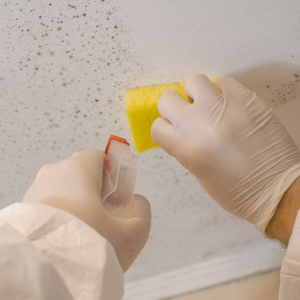
Mold is often a sign of water damage, which could be a concern for both sellers and home inspectors.
How Can Mold Impact Buyer Decisions?
Concerns about mold are common among homebuyers. What are the potential consequences of listing a home with mold?
- Health Risks: Having mold in the home can make people sick, which could make buyers worry about the quality of the air inside the house.
- Repair Expenses: People who want to buy may be worried about how much it will cost to get rid of mold and fix any damage.
- Marketability: Homes that have mildew may lose value because they take longer to sell.
Buyers tend to favor homes without health or safety risks, so mold is an issue that needs addressing.
Are There Ways to Mitigate Value Loss Due to Mold?
To lessen value loss from mold, consider these approaches:
- Professional Mold Remediation: Hire experts to thoroughly clean the mold and prevent future issues.
- Repair Negotiations: Be ready to discuss covering repair costs or offer credits to reassure buyers.
- Improving Property Health: To improve the home’s condition, fix mold-causing causes, like leaks or poor ventilation.
Taking active steps to handle mold can help maintain your property’s value and appeal. For guidance, consult professionals like Naples Home Buyers to tackle these challenges effectively.
Should You Consider Professional Mold Remediation Before Selling?
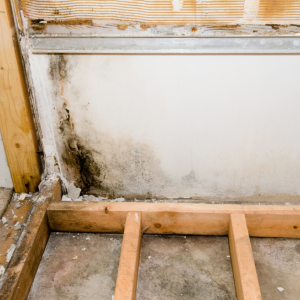
Selling a house with mold can be challenging, especially in Massachusetts, where buyers are concerned about environmental health standards. Choosing professional mold remediation before listing your home can boost buyer confidence and raise your property’s value. Mold issues pose health risks and may turn away potential buyers if not appropriately handled.
What Are the Benefits of Professional Mold Remediation?
Professional mold remediation provides several benefits:
- Protection for your health: It gets rid of mold problems effectively, making your home healthier. Pollen and mold spores can make it hard to breathe, cause rashes, and more.
- Property Value: A mold-free home is more appealing to buyers, increasing the chances of a successful sale.
- Thorough Solutions: Professionals use advanced techniques and equipment to ensure complete mold removal, preventing future outbreaks.
- Regulation Compliance: Professionals follow specific standards of Massachusetts environmental health mold guidelines.
Can DIY Mold Removal Be Effective?
DIY mold removal might seem like a cheaper option, but consider its effectiveness compared to professional methods:
- Limited Scope: Home mold solutions may only address surface-level issues, often missing more profound or hidden infestations.
- Effectiveness Concerns: DIY efforts may not altogether remove black mold without proper equipment, leading to recurring issues.
- Health Risks: Handling mold without protective gear and training can expose you to harmful spores.
How Do You Choose a Qualified Mold Remediation Specialist?
Selecting the proper mold remediation specialist is essential. Here’s how to make a wise choice:
- Check Certifications: Make sure the professional has a Massachusetts mold inspector license, which proves they know what they’re doing.
- Evaluate Experience and Reputation: Look for established mold remediation companies with positive reviews and a strong track record.
- Understand Costs: Get detailed quotes that outline remediation costs and services provided.
- Ask About Methods: Inquire about the techniques and products used to ensure they meet industry standards.
Choosing the right expert will resolve your mold issues effectively and provide peace of mind during home-selling.
For more personalized advice on selling a house with mold in Massachusetts, contact Naples Home Buyers today to discuss your needs.
Is Selling a House with Mold As-Is a Viable Option?
Someone in Massachusetts might want to sell their house “as is,” especially if there is mold in it. This way, sellers don’t have to fix up their homes as much, and they can directly meet with people who want to buy homes that need work. The deal can go through faster if you choose a cash offer. But you should follow the rules so that you can be honest and open with people who might buy your house.
What Are the Pros and Cons of Selling As-Is?
If you’re thinking about a “as-is” sell, here are some pros and cons to think about:
Pros:
- Avoid Mold Remediation Costs: You save money by not fixing the mold yourself.
- Quick Sale: Cash buyers close deals quickly since they don’t need mortgage approvals.
- Not having to fix up the house before selling it will save you a lot of stress.
Cons:
- Lower Selling Price: You might get a lower offer because of the mold damage.
- Buyer Rights: Buyers could ask for a price cut due to mold concerns.
- Massachusetts Laws: Make sure to follow local laws requiring clear mold disclosures.
Knowing these things can help people in Massachusetts decide if it’s a good idea to sell a home that has mold in it.
How Can You Market a House with Mold?
Marketing a house with mold needs careful planning to reach the right buyers while staying honest:
- Highlight Potential: Despite mold issues, focus on the property’s good features, like its location or size.
- Buyer Protection: Offer assurances to help buyers feel safe.
- Transparency and Disclosure: Be upfront about mold problems to build trust and meet legal rules.
Smart marketing can help sellers get buyers who see the property’s value even though it’s in bad shape.
What Should You Communicate to Potential Cash Buyers?
Clear communication is key when dealing with cash buyers:
- Mold Issues: Explain the extent and location of mold clearly to set expectations.
- Negotiation Flexibility: Be ready to discuss terms, possibly lowering the price for mold repairs.
- Disclosure Requirements: Follow Massachusetts seller disclosure laws to avoid legal troubles and gain buyer trust.
Honest communication with cash buyers can make the sale process smoother and more successful.
How Can Homeowners Prevent Mold Growth Before Listing a Property?
What Steps Can Be Taken to Reduce Moisture?
Preventing mold starts with reducing moisture in the home. Here are some easy steps:

- Inspect and Repair Leaky Pipes: Check pipes often for leaks and fix them quickly to avoid water damage.
- Address Water Damage Quickly: If you see stains on ceilings or walls, act fast to dry and repair those areas.
- Use Dehumidifiers: In damp places like basements, use a dehumidifier to keep humidity low and stop mold.
These actions help homeowners lower the risk of mold so their property stays mold-free before listing.
How Does Ventilation Play a Role in Mold Prevention?
Good airflow keeps humidity low and air moving, which stops mold from growing. To improve air flow, do the following:
- Improve Air Circulation: Use fans in the kitchen and bathroom to get rid of steam and wetness and improve air flow.
- Ensure Good flow:To get air moving through the house, open doors and use ceiling fans.
- Humidity Control: Maintaining a low humidity level inside will help stop mold growth by keeping the humidity below 60%.
Mold is less likely to grow in your home if it has better air. This will help it stay valuable and appealing.
Are There Simple Home Modifications That Can Keep Mold at Bay?
Mold can be kept away from homes by making these easy changes:
- Install Mold-Resistant Materials: In places that tend to get wet, use mold-resistant walls or insulation.
- Seal Porous Materials: To stop wood from absorbing water, use sealants on its sides.
- Regular Maintenance: Keep the gutters and downspouts clean so water doesn’t pool near the base.
These simple, low-cost steps can make it much less likely that mold will grow in a home before it is sold.
FAQs
What steps should I take to sell a house with mold in Massachusetts?
If you want to sell your house, you need to take care of any mold issues right away. You should hire a mold removal expert in Massachusetts to look at the mold and get rid of it. As required by Massachusetts mold rules, be honest about the problem and fix it. Buyers may trust you more if you are honest like this.
How does mildew differ from mold when selling a home in Massachusetts?
Mildew is a type of mold that is generally safer and easier to get rid of. Both of these things need to be taken care of when you sell a house. Both are likely to be covered by a Massachusetts home inspection, so buyers know about them and the steps that were taken to get rid of them.
Are there specific Massachusetts mold regulations I should be aware of before selling?
Yes, Massachusetts has rules that sellers must follow when it comes to mold, such as telling buyers about mold problems and following rules for fixing them. Knowing these rules can help you stay out of trouble with the law and make sure the sale goes smoothly.
What should a Massachusetts home buyer know about mold testing before purchase?
People in Massachusetts who want to buy a house should ask for a thorough mold check and test, especially if there is water damage or a history of mold in the house. This helps people who are thinking about buying know about any health risks and how much it costs to get rid of mold.
Is it necessary to hire a mold remediation company in Massachusetts?
If you hire a professional Massachusetts mold removal company, they will get rid of the mold and fix any problems that are causing it. Mold can be dangerous, but professionals know how to deal with it properly and in line with local laws.
How do Massachusetts mold-related health risks affect property sales?
Mold can cause health problems that can lower the value of a home and keep buyers away. If there are any mold problems, the sellers should be honest about them and explain what they are doing to fix them. This openness can help buyers feel better about their purchases.
Can tenants in Massachusetts demand mold removal?
In Massachusetts, renters do have the right to a safe place to live. Once renters are told about mold problems, they need to fix them quickly or risk being sued and having trouble selling the property in the future.
How can selling your house in Massachusetts be affected by mold?
Mold can make people not want to buy your home, which can lower its value. If you have mold problems, you should get them cleaned up by a professional and show proof of this. Giving the right information and fixing problems can help you sell your house faster and for more money.
Key Insights
- We take care of any mold problems in your Massachusetts home so you can sell it. This includes possible issues in places like carpeted areas, with the help of trained mold removal professionals.
- It’s important to know the rules about mold in Massachusetts. States may have different rules about what you can say. Our team of experts can help you understand Massachusetts’s mold rules and your rights as a buyer.
- Conducting mold testing in Massachusetts is crucial to identify harmful molds. We cooperate with Massachusetts mold remediation companies to ensure complete removal.
- Mold problems must be fixed before a house can be put on the market. We can help you clean up mold and make sure you meet the mold standards for a Massachusetts home inspection.
- If you want to sell a house that has mold in it, you should talk to a Massachusetts mold expert to find out what your risks and responsibilities are as a homeowner when it comes to mold.
- As part of our services, we set up health risk surveys that follow the mold rules in the Massachusetts building code and make sure that everyone is safe.
- We help you figure out if statements like your Massachusetts tenant mold rights apply to you. This protects your interests and lowers your risk of being sued.
- There are specialized cleanup services for houses in Massachusetts. We get rid of germs and make sure the places are safe for buyers.
- Check out our quick and dependable mold removal services in Massachusetts, backed by our local knowledge, to make your home look better.
- We give you expert tips on how to get your home ready to sell whether you live in Beverly Hills, Miami, Cleveland, Las Vegas, or Indianapolis.
These details apply to the entire state of Massachusetts, including cities like Springfield, Amherst, Greenfield, Huntington, and Hadley, as well as their surrounding areas. If you require extra assistance or have particular inquiries, please contact us at (413) 331-6060. Please see our website, Naples Home Buyers, for more information and complete descriptions of our services.
Sell Your House in Massachusetts For Cash 💰
We buy houses in Massachusetts In ANY CONDITION! We pay CASH and you will not pay any commissions, agents, or fees. Enter your address to get your cash offer in 24 hours or less!
Resources To Help You Sell A House in Massachusetts
Give Us A Call At (413) 331-6060
If you require additional assistance or have specific questions, please do not hesitate to Contact Us at (413) 331-6060. You Can also visit our Homepage at Naples Home Buyers for more information and detailed descriptions of our services.