
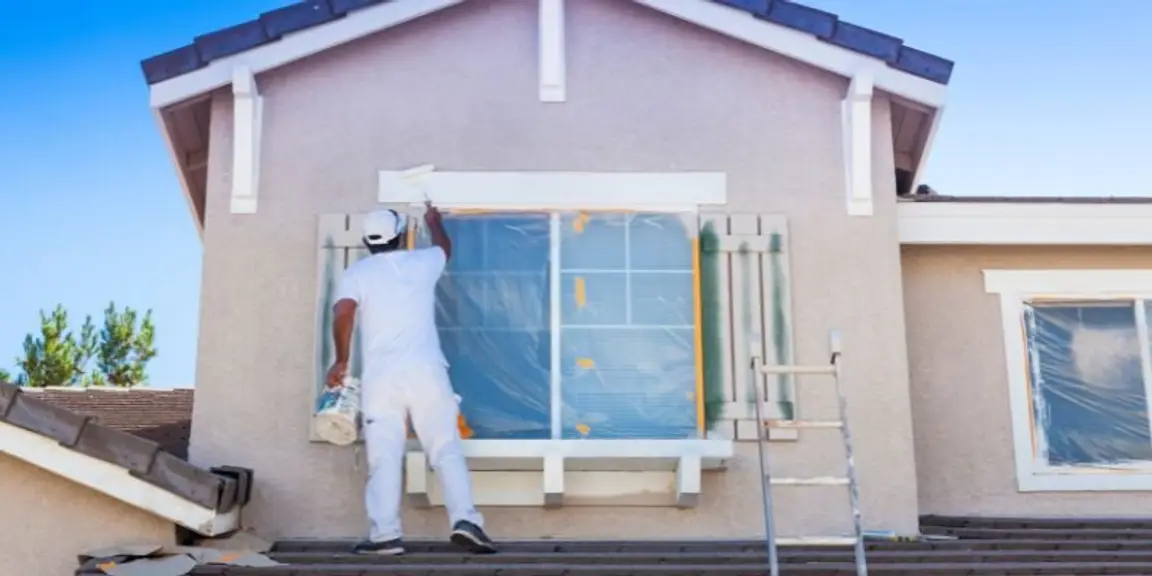

You finished the basement last winter, or maybe the previous owner added a deck off the back, and nobody asked questions. Now you’re ready to sell, and somebody’s about to ask many questions. Unpermitted work is one of those things Massachusetts homeowners don’t think about until it shows up in an inspection report, and by then, your negotiating position has already shifted.
Good news: you have more options than you think. Bad news: ignoring the issue or hoping buyers won’t notice is not one of them.
What Is Unpermitted Work and Why Does It Matter in Massachusetts?

A seller in Needham who built a deck ten years ago probably never gave the permit much thought. Most unpermitted work isn’t the result of malicious hiding. People skip permits because they think the job is too small, because a contractor told them it wasn’t necessary, or because they genuinely didn’t know the rules. Add decks in Needham, converted garages in Natick, and extra bathrooms in two-family buildings in Worcester, and you have a large population of sellers sitting on undisclosed work without even realizing it.
Unpermitted work means any renovation, repair, or addition to a home that legally requires a permit but was done without one. In Massachusetts, the list is longer than most sellers expect. Adding square footage to a Sudbury colonial, running new plumbing in a Quincy three-decker, or rewiring circuits in a Jamaica Plain multi-family all carry the same answer: permit required.
Massachusetts enforces the State Building Code (780 CMR) across all 351 cities and towns, but each municipality runs its building department with its staff, timelines, and appetite for retroactive permits. A project that Brookline’s building department processes in three weeks could take Taunton’s department three months. This variability is one thing your real estate agent won’t always mention upfront.
I’ve bought houses in communities all over eastern Massachusetts where the unpermitted work was perfectly safe and well-built. Construction was never the problem. Paperwork was always the problem.
How Massachusetts Building Permits and Inspections Affect Your Sale
A home inspector and a bank appraiser are not looking at the same house you live in. They’re looking at a document trail, and gaps in that trail cost you money.
When an appraiser calculates your home’s square footage, they often exclude rooms and spaces that lack documented permits. The finished basement in Framingham? Off the table. Bonus bedroom above the garage in Marshfield? Possibly excluded. Appraisers may exclude non-permitted improvements when calculating square footage or value, which means buyers can’t secure financing for the full asking price.
If a buyer needs a mortgage, unpermitted work can concern lenders who don’t want to loan on a house that could bring future liability. In a market where Massachusetts homes were selling for a median price of around $668,000 as of May 2026, a lender’s refusal to count an unpermitted addition can swing the loan-to-value ratio so far out of range that the sale is killed entirely.
A buyer’s agent will often check the local building department to confirm that permits have been pulled. Savvy agents do this routinely in towns like Newton, Wellesley, and Medford, so the gap shows up before you’ve even chanced to prepare for the conversation. Once a permit gap shows up in an inspection report or building department records search, it becomes a negotiating chip for the buyer, not for you.
The Holloway family came to me last summer with a Cape-style house in Norwood they’d been paying two mortgages on for almost a year. Years before they bought the house, they had converted the garage, but they had never pulled the permits. By Thursday of our first week working together, they finally had a clear path forward for the first time in months. That situation is exactly what often comes up in cases involving Selling a House in a Trust After Death in Massachusetts, where legal, financial, and property issues tend to overlap at the worst possible time.
Legal Risks and Seller Disclosure Rules for Unpermitted Renovations in Massachusetts
Massachusetts Chapter 93A, the state’s consumer protection statute, reaches into real estate transactions in ways that many sellers never expect.
Failing to disclose unpermitted work can lead to civil lawsuits for damages, demands for rescission of the sale, or claims under Chapter 93A, Massachusetts’s consumer protection law. That last one is particularly sharp. Chapter 93A allows a court to award double or triple damages in cases involving knowing misrepresentation. A seller who stays quiet about a non-permitted addition in Peabody or a second kitchen added without electrical permits in Lowell isn’t just risking a lawsuit; they’re potentially handing the buyer a claim for multiplied damages.
Massachusetts uses standardized forms to facilitate disclosure, with the most common being the Residential Property Disclosure Statement. One section asks directly whether any work was performed that required a permit. Answering “no” when the answer is “yes” isn’t a technicality. If you lie or withhold information, you could face civil fraud liability, including the payment of compensatory and punitive damages, making the cover-up far more costly than the original work ever would have been.
Even if a previous owner did the unpermitted work, you can still carry legal exposure once you’re aware of it. The moment you know, you’re obligated to disclose. Legal disputes often cost more than the original permit fees, making transparency the safer path.
Having a Massachusetts real estate attorney review your disclosure documents before you sign anything is not an overreaction. It’s basic self-protection.
How to Assess and Document Unpermitted Work Before You List

When possible, visit your town’s building department in person. Request a full permit history for your property, not just recent years. Older Massachusetts homes in places like Salem, Gloucester, and Brockton often have partial records, additions from the 1980s with no documentation, or permits opened but never closed out. An open permit is sometimes worse than no permit because it signals inspections that were never completed, and I’ve noticed that detail kills a sale at the closing table.
Once you know what’s missing, have a licensed contractor assess the as-built condition of the work. For anything involving plumbing or electrical systems, inspectors may require modifications or upgrades to bring projects into compliance with the Massachusetts State Building Code, and licensed professionals must typically sign off before a permit can be issued (sometimes after multiple site visits).
Have blueprints or, at a minimum, detailed photographs of the work in question. Take photos of every junction box, every drain connection, and every framing member in that finished basement (including the ceiling before drywall went up). A home inspector working for your buyer will do the same thing. You want to be ahead of the conversation, not behind it.
Should You Fix It, Permit It, or Sell It As-is?
The decision depends on cost, timeline, and the nature of the actual work.
You pursue a retroactive or as-built permit by submitting plans, paying fees, and scheduling inspections for the completed work. Some towns double the usual permit fee as a penalty. On top of that, an inspector may require you to open walls, upgrade systems, or redo portions of the work to meet current code standards. A retroactive permit isn’t just paying a fee; it can cascade into a renovation.
Selling as-is to a cash buyer can sometimes be the cleaner math. You price it transparently, disclose everything, and let buyers decide. Investors will accept unpermitted work in exchange for a lower purchase price, allowing the seller to close quickly without months of back-and-forth negotiations. If you’re considering this route, learn more about how our process works before deciding which selling strategy makes the most sense for your situation.
You list the property, disclose the unpermitted work upfront, and offer a negotiated credit at closing to cover the cost of permitting. The challenge is that, even with financing, buyers still face lenders’ concerns about unpermitted additions, so a credit doesn’t fix the appraisal gap.
Retroactive permitting makes sense for sellers with smaller violations, a deck, a shed conversion, or a partial basement finish. It’s rarely worth the effort for major structural work, a full second-story addition, or an unpermitted apartment unit in a building that doesn’t have the zoning for it.
Does Unpermitted Work Lower Your Home’s Sale Price in Massachusetts?
The honest answer: it depends on how the work was done and how tight the market is. Homes with unpermitted work tend to sell for less than comparable fully permitted properties, and appraisers won’t factor in unpermitted square footage.
In competitive inner-ring suburbs around Boston, Milton, Belmont, or Arlington, buyers with cash or strong financing may overlook a non-permitted deck or finished room if everything else is compelling. That same unpermitted work in a slower-moving market near Springfield or Fall River will weigh more heavily on the final price, because buyers there have more options and less urgency to let things slide. Sellers in western Massachusetts communities may find that companies that we buy houses in Agawam are more willing to purchase properties with permitting issues than traditional retail buyers.
Buyers may request price reductions far exceeding the actual permit work cost because they’re factoring in uncertainty and inconvenience, as well as permit fees. That’s a real negotiating dynamic that sellers underestimate.
The appraisal problem is most severe when the unpermitted area makes up a large share of the home’s total square footage. An unlicensed 800-square-foot basement finish in a 1,400-square-foot house in Randolph can shift the appraised value enough to disqualify a financed buyer, forcing you to go with cash buyers or a price adjustment steeper than the cost of pulling the permit would’ve been.
Naples Home Buyers regularly works with Massachusetts sellers who find themselves in exactly that position. When the appraisal math doesn’t work for traditional buyers, a direct cash offer based on the property’s actual condition is often the most straightforward path forward.
Can You Sell a House with Unpermitted Work in Massachusetts?

You can sell a house with unpermitted work in Massachusetts, but state law requires full disclosure. Selling is legal. Hiding it is not. Once you’re operating inside that boundary, you have real choices.
Traditional buyers using mortgage lending are your most complicated audience. Their lenders and home inspectors will flag unpermitted work, and their appraisers won’t count that square footage. Some lenders refuse to approve mortgages on homes with unpermitted additions, which can limit your buyer pool to cash buyers or investors who already expect a discount.
Cash buyers and real estate investors are different. They’re not running a transaction through a lender’s underwriting desk, so the appraisal gap and financing restrictions don’t apply in the same way. They take on the permitting risk themselves. The trade is a lower sale price for a faster, cleaner close with no contingencies falling apart after inspection. For homeowners who need to sell your house fast for cash in Massachusetts, working with a direct buyer can eliminate many of the hurdles associated with financing and appraisals.
Listing with a real estate agent is still viable for many sellers with unpermitted work, particularly if the work is minor and limited to cosmetic areas. The agent should have experience with these disclosures and be comfortable having the conversation with buyers early, not after the inspection surfaces. Sellers choosing the as-is option should work with a real estate attorney to draft airtight disclosures that protect them from future disputes (boilerplate language rarely holds up).
What to Do When Unpermitted Work Comes Up After a P&S Agreement
When unpermitted work surfaces after you sign a Purchase and Sale agreement, your options narrow fast.
If a Purchase and Sale agreement lacks a permits clause, buyers face challenges addressing unpermitted work. They should review the full contract, consult their attorney about possible misrepresentation claims, and consider inspection reports or disclosure laws.
If you’re the seller and unpermitted work comes up post-P&S, your real estate attorney should be your first call, not your agent. Buyers at this stage can terminate under their inspection contingency, renegotiate the price, or request a seller credit. They can also pursue rescission of the agreement if they believe the disclosure was inadequate. Real estate disclosure laws hold sellers accountable if buyers win a lawsuit, and you could owe both damages and the buyer’s legal fees, which, in my experience, add up faster than you expect.
Have a licensed contractor assess the work as soon as possible. A concrete cost estimate for bringing the work into compliance gives you something to negotiate with. Buyers want certainty more than they want to walk. A seller who comes back to the table with documentation, a contractor’s estimate, and a credit offer has a much better chance of salvaging the sale than one who goes quiet and hopes (and I’ve watched that silence kill more than one closing).
If the sale falls apart, address the disclosure properly before re-listing, rather than running the same play and watching it break down at inspection again. Naples Home Buyers works with sellers who’ve been through failed traditional listings and can move quickly when the timeline matters.
Frequently Asked Questions
Do Appraisers Care About Unpermitted Work?
Yes, appraisers care quite a bit. Appraisers may exclude non-permitted improvements when calculating square footage or value, which means buyers cannot secure financing for the full asking price. If the unpermitted area represents a large portion of your home’s livable space, the appraised value can fall well short of what you’re asking, which can collapse a financed sale.
What Happens If You Buy a House That Has Unpermitted Work?
You inherit the problem. As the new owner, you take on responsibility for bringing that work into compliance with local building codes, paying any permit fees or penalties, and managing any safety risks the work presents. Insurance companies may also limit or deny coverage for areas of the home that you built without permits.
What happens if you get caught remodeling without a permit in Massachusetts?
The consequences can stack up quickly. If the project is discovered mid-construction, you may face enforcement actions, such as stop-work orders. After the fact, you’ll owe the original permit fee plus a penalty that can double the standard cost in many Massachusetts jurisdictions. In serious cases, the building department can require you to expose or remove completed work so inspectors can verify compliance before issuing any approval.
Do Building Inspectors Look for Unpermitted Work?
Municipal building inspectors don’t typically tour homes looking for violations. However, if a complaint is filed, you apply for a permit for a related project, or a home inspector flags something suspicious during a sale, the building department can investigate. Building inspectors can require homeowners to obtain a permit for completed improvements, which may require costly repairs, hiring an architect, and code-compliant adjustments.
Selling a house with unpermitted work in Massachusetts is solvable. It takes honest disclosure, a clear-eyed look at your options, and the right people in your corner. If you want to talk through your specific situation, Naples Home Buyers is here to help—no pressure, no obligation, just a straightforward conversation about what makes sense for your property. Contact us to discuss your options and get answers specific to your property.
Helpful Massachusetts Blog Articles
- Can My Spouse Sell Our House Without Consent in MA
- How Much Do You Lose When Selling a House as-is in Massachusetts
- Do Open Houses Still Work When Selling a Home in Massachusetts?
- Is the Seller Responsible for Any Repairs After Closing in Massachusetts
- Selling A House With Delinquent Property Taxes in Massachusetts
- Worst Time to Sell A House in Massachusetts
- Can You Sell A House with A Mortgage in Massachusetts
- Taxes When Selling an Inherited House in Massachusetts
- Selling Jointly Owned Property During Divorce in Massachusetts
- Homeowners Insurance Requirements When Selling Your House In Massachusetts
- How To Sell Your House By Owner In Massachusetts Without A Realtor
- How To Sell Your Fixer-upper House Fast In Massachusetts Without Making Repairs
- How To Sell Your Apartment In Massachusetts
- How To Sell A House With Termite Damage In Massachusetts
- Should I Replace My Roof Before Selling My House In Massachusetts