
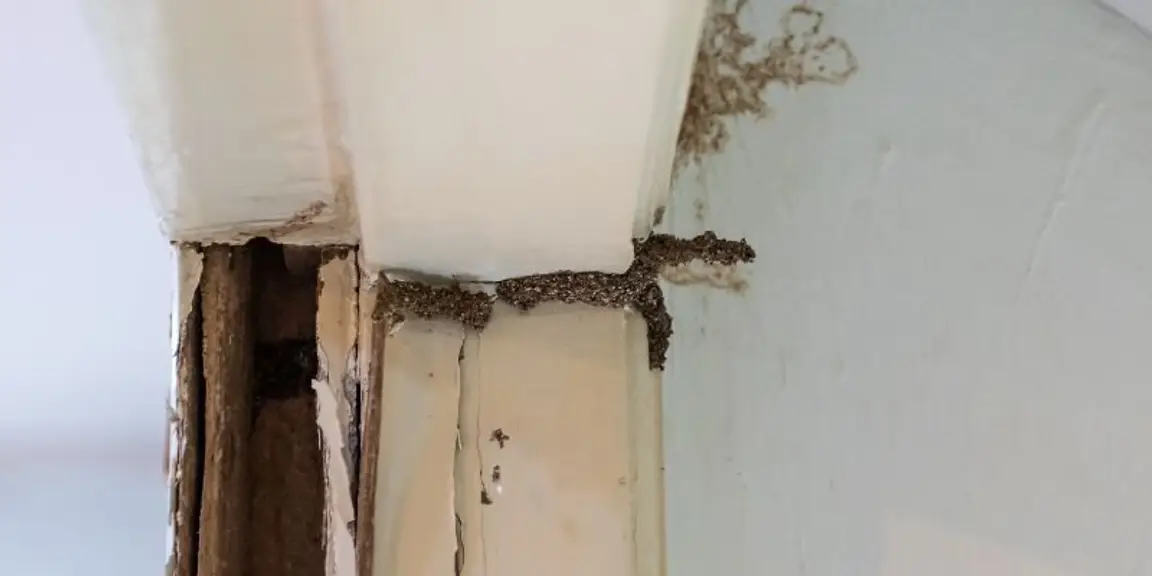
You’re looking at that termite inspection report. Your heart sinks. Those little wood-eating invaders have been quietly gnawing away at your biggest investment, and now you’re faced with the terrifying possibility of selling a compromised property.
I have been buying houses in Massachusetts for more than a decade, and I can tell you that termite damage does not have to disrupt your selling plans. complicates things. Of course. But, with the correct strategy, you may still earn a reasonable price for your property and move on with your life.
These microscopic intruders attack over 600,000 houses each year, causing approximately $5 billion in property damage in the United States alone. The most common species of termite in Massachusetts is the Eastern subterranean termite (Reticulitermes flavipes), and termite problems are more common than most homeowners think.
How to Sell a House with Termites: Complete Massachusetts Homeowner’s Guide
Let me tell you quite plainly. Selling a house with termite damage is not like selling any other house. Then there are transparency obligations, buyer concerns, and pricing issues that might make your mind spin. But what most real estate brokers won’t tell you is that you have more possibilities than they are usually going to show you.
The Massachusetts real estate market is sizzling currently. Even in a competitive Massachusetts housing market, homeowners in areas like Southwick can still take advantage of flexible options with we buy houses in Southwick MA companies that purchase properties as-is without repairs or delays. Year-end median single-family house price grew 7.9 percent on the same basis to a new all-time high of $615,000. If you price them well or look at alternative selling strategies, there is still a lot of demand for properties even with termite damage.
Your first decision is whether or not you want to treat the termites before you list the property or sell it as-is. If you’re unsure what happens next, it helps to understand how our process works so you can compare your options clearly before making a decision. Both approaches have their benefits, and the correct one for you relies on your timeframe, budget, and tolerance for dealing with contractors and inspections.
Massachusetts Termite Species Identification and Damage Assessment Guide
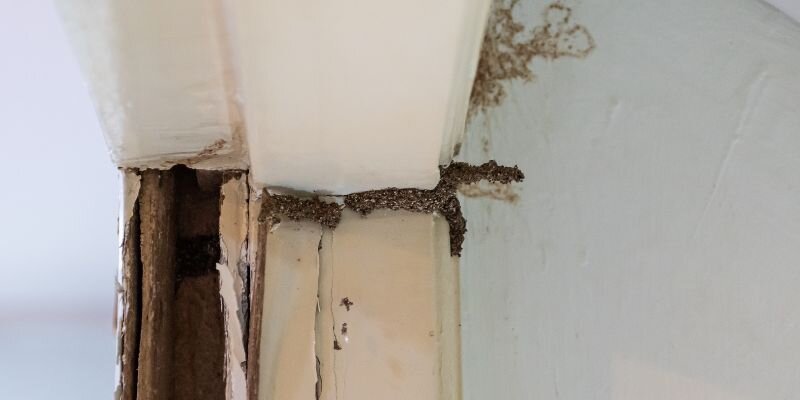
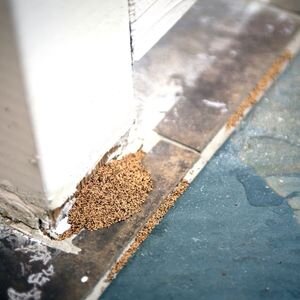
You need to comprehend what you are dealing with before you can make informed selling selections. The most common termite in Massachusetts is the Eastern subterranean termite (Reticulitermes flavipes). Subterranean termites are particularly harmful because they create secret mud tubes to reach wood, frequently going unnoticed until the damage is extensive.
“These are not the drywood termites you may hear about in California or Florida.” Massachusetts subterranean termites live underground and construct the familiar mud tubes to access the wood in your home. Up to four termite colonies, each with a million termites, may be living below a single-family home.
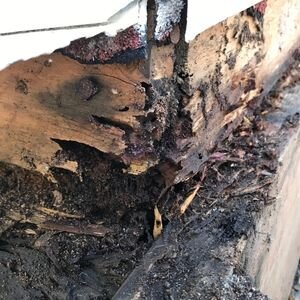
The damage assessment procedure is more than counting holes in your basement beams. Professional inspectors look for signs of structural integrity problems, how much wood damage exists, and if the infestation is active or has been treated. Termites consume wood from the inside out, an infestation may go unseen until serious damage has occurred, often taking years to identify.
I’ve seen properties where the surface damage looked minor but needed a lot of structural repair work. On the other hand, I’ve seen houses that seemed like there was major damage but merely needed cosmetic repairs. So that’s why it’s so important to have a competent professional do a comprehensive inspection.
Pre-sale Home Inspection Strategies for Termite-compromised Massachusetts Properties
That’s where the strategy comes in. Don’t be tempted to bypass the pre-sale inspection and let potential buyers find out the problems for themselves. That’s a mistake that’s going to cost you money and credibility.
Getting your inspection first gives you control of the narrative. You’ll know what you’re up against, price your property accordingly, and avoid getting blindsided by buyer inspection reports that can overstate concerns.
Seek out inspectors specializing in wood-destroying insects. In Massachusetts, these professionals know the activity of termites in the area and are able to differentiate between previous damage and active infestations. They will also look for places where medication to prevent disease could be useful.
The inspection should be of not only the obvious issue areas but also the complete property. Termites don’t always form apparent mud tubes; they commonly use foundation fissures to access your home’s wood framing. These secret passages provide a faster, more efficient method for entering the building. Once inside, almost any wood element (framing, window and door casings, subfloors, floor joists, and sills) might be a victim.
Write it all out. Regardless of whether you are listing with an agent or selling directly to an investor, photos, repair estimates, and treatment quotations will be invaluable.
Massachusetts Termite Inspection Requirements for Real Estate Transactions
Massachusetts does not require a termite inspection on all real estate purchases, although most lenders do. If your buyer is getting financing, they will probably demand a clear termite report or proof of recent treatment.
It usually takes 2 to 3 hours to inspect an ordinary home. Inspectors will inspect all accessible sections of the home, including basements, crawl spaces, attics, and the perimeter of the home. They look for living termites, their mud tubes, damaged wood, and situations that attract them.
A report will be provided of any findings or recommendations for treatment or repairs. It forms part of your property’s disclosure package and can have a big impact on negotiations.
Smart sellers get this inspection done early in the sales process. It prevents surprises and allows you time to correct any faults or change your selling plan.
Professional Termite Treatment Options Before Listing Your Massachusetts Home
If you choose to treat prior to sale, you have a few options. It depends on the level of damage, your budget, and how fast you need to sell.
Chemical treatments include termiticides to the soil surrounding the home’s foundation. This creates a barrier that stops termites from entering the property. The termiticides kill or repel termites on contact, effectively destroying any existing colonies of termites.
Alternatively, you may bait the systems. Baiting systems are a specific method of termite elimination. It’s a way of strategically deploying bait stations around the home’s perimeter. These stations have poisoned bait that attracts termites.
Treatment expenses are very variable. Treatment expenses can range from hundreds to thousands of dollars, depending on the type and severity of the infestation. Professional treatment for a typical Massachusetts home might cost in the range of $1,500 to $5,000.
The treatment process normally takes 1-2 days; however, you will have to wait for the warranty term to start before listing. Most professional pest control firms give warranties on their work ranging from 1 to 5 years. Warranties can be a significant selling feature.
Massachusetts Home Sale Timeline: Termite Remediation Vs. As-is Sales

Time is often the determining element. Treatments and repairs can add 30-90 days to your selling schedule. That delay may not be an option if you’re facing foreclosure, moving for a job, or in other time-sensitive circumstances.
The median days on market was 31 days, up 6 years year over year. Add in the time to actually treat, and you’re looking at a minimum of 3-4 months from decision to close.
As is, sales are considerably quicker. Many sellers who need speed and certainty choose to sell their house fast for cash in Massachusetts rather than wait months for repairs, inspections, and traditional financing approvals. Cash buyers like Naples Home Buyers can often close in as little as 7-14 days. You won’t get as much money, but you’ll have assurance and speed.”
Clearly, there is a trade-off when you include the keeping fees. Suppose your monthly costs of living (mortgage, taxes, insurance, and utilities) are $3,000. Over 90 days, that’s $9,000, and that’s before you pay a single medical bill.
Massachusetts Building Code Compliance After Termite Structural Repairs
Structural repairs for termite damage shall conform to current Massachusetts building codes. This can make your project harder and more costly.
Older homes were sometimes framed with less than today’s standards. If you replace damaged beams or joists, you may have to upgrade the entire system to current code requirements. That can transform a $5,000 fix into a $20,000 job.
Structural work often requires a building permit. The permitting procedure takes time and includes inspections at various stages. If you are considering major repairs, factor these concerns into your timeframe.
Some sellers bypass the permitting process entirely by selling to investors who specialize in these types of projects. They know the ins and outs and take it into account when they pay.
Legal Disclosure Obligations for Selling Termite-damaged Property in Massachusetts
In Massachusetts, sellers are required to report any known material deficiencies, which include termite damage. This is the law. It’s not optional.
The disclosure must be full and truthful. Previous treatments or recognized damage can’t be hidden. If you have had any termite problems in the past, even if you have remedied them, purchasers have a right to know.
Failing to disclose can lead to post-closing lawsuits. I’ve seen sellers pay tens of thousands in damages for non-disclosure—a lot more than they saved by hiding the problem.
The good news is that the right disclosure doesn’t kill a transaction. Many purchasers will still buy homes that have a history of termites reported, especially if the professionals have already taken care of the problem.
Massachusetts Real Estate Attorney Guidance for Termite Disclosure Issues
It’s a prudent thing to do, considering the legal ramifications, to consult a real estate attorney. Massachusetts real estate law is complex, and the subtleties of termite disclosure obligations might be difficult to understand.
An attorney may look over your disclosure forms, check that you’re in compliance with the law, and help you structure the sale to reduce exposure. This is especially true if you are selling as-is or have a complicated termite history.
Legal fees for disclosure review are usually in the $500-1,500 range, a little sum to pay for piece of mind and liability protection.
Pricing Strategies for Termite-Infested Houses in the Massachusetts Real Estate Market
Pricing a property with termite damage is a balancing act. You want to attract consumers but want the best sale.
Begin with a Comparative Market Analysis of comparable properties without termite problems. Then add the cost of treatment and repairs, plus a discount for the inconvenience and perceived danger to the buyer.
In the hot Massachusetts market, homes listed 10-15% below market value may get many bids. This can help to bring the final price closer to market value, especially if purchasers have the perception of potential quick equity gains.
Keep in mind the pool of buyers you want to attract. An investor might be willing to take more damage at a deeper discount. An owner-occupant is looking for a home that is move-in ready, even if it costs more. If you’re still weighing your options, understanding Should I Replace My Roof Before Selling My House In Massachusetts can help you decide whether repairs or selling as-is better fits your situation.
Home Staging Techniques to Minimize Termite Damage Visibility
Staging is key if you’re listing with an agency. You want to make troublesome areas less noticeable and showcase the excellent aspects of your house.
Basements, being clean and well-lit, can make damage look less serious. Professional cleaning of the area will remove debris and make a more positive impression. New paint on undamaged surfaces helps to distract the eye from the damaged regions.
Clearly document all therapy and fixes. Keep a “termite file” with inspection reports, treatment records, and warranties. This transparency engenders buyer confidence.
Think professional photographs showcasing your home’s best characteristics. A good photographer will do his or her best to hide the visual impact of the termite damage and will be forthright about the condition of the property.
Marketing Approaches for Selling Fixer-upper Homes with Termite History
Marketing properties with termite damage demands a different approach than regular listings. You’re targeting specific customer categories who see opportunity, not difficulties.
Investors, contractors, and savvy homeowners typically seek out properties with problems disclosed. They know the repair procedure and are able to give an accurate estimate of expenses. Your marketing must communicate directly to these buyers.
Don’t focus on the difficulties. Focus on the possibilities of the property. “Investor special” or “handyman’s dream” appeals to the proper audience and sets the right expectations.
For these types of homes, BiggerPockets and local real estate investment clubs are often more helpful than standard MLS postings.
Seasonal Timing Considerations for Selling Termite-damaged Houses in Massachusetts
Timing is everything in Massachusetts real estate, particularly when it comes to problem homes. Spring and summer are often the best-selling seasons, but if you have termite damage on your property, you might want to consider a different time of year.
Spring is here, and that’s when the National Pest Management Association (NPMA) encourages property owners to start thinking about preventative maintenance—since it’s also the time of year when “swarmers” come out to create new termite colonies in vulnerable locations. Spring swarming season may not be the best time to sell termite-affected properties.
Fall and winter sales frequently mean more serious customers and less competition. In slower seasons, investors and contractors are generally able to spend more time evaluating properties and planning renovation projects.
Weather might also impact inspection accessibility. Summer inspections are more thorough, and all areas of the property can be accessed; with winter examinations, issues in unheated regions may be missed.
Working with Real Estate Agents Experienced in Termite-damaged Properties
Certain agencies don’t like to list homes that have termites. Find someone with specific experience in these deals.
Skilled agents understand the disclosure requirements, how to properly price the distressed properties, and how to market to the right buyer segments. They also have ties with inspectors, contractors, and pest control guys.
Ask prospective agents about their experience with similar properties. Ask about sellers’ previous experiences with termites. The appropriate agent might be the difference between a successful sale and a listing that lingers on the market.
Commission structures can be negotiated on difficult properties. Some agents have lower rates for sales “as-is” or those that need substantial disclosure.
Alternative Selling Methods: Cash Buyers and House Flippers for Termite Properties
You have other options other than traditional listings. Properties with known problems are generally sought by cash purchasers and investors, who may close quickly and avoid the difficulties of financing.
Naples Home Buyers buys properties in any condition in Massachusetts. We purchase properties in Springfield, Massachusetts, in any condition and scenario! Naples Home Buyers will clean, repair, and manage all the homes we buy, so you don’t have to.
Cash sales are quick, certain, and require no repairs. You’ll usually get 70-85% of market value and save on commissions, repairs, and holding fees.
But house flippers recognize termite damage and add restoration expenses into their offers. Retail purchasers may be put off by pest-control reports, but they’re frequently more practical about pricing.
Massachusetts Buyer Expectations and Negotiations for Termite-affected Homes
Knowing the mind of the customer is a big aid in the negotiations. Most purchasers are already hyper-aware of termite damage even after it’s been addressed.
Educated buyers may want further inspections, warranties, or repair credits. Expect these asks and build them into your pricing.
First-time property buyers are normally the most concerned about termites, while experienced buyers and investors are usually more pragmatic. Tailor your strategy to your buyer pool.
Property with significant termite damage might be difficult to finance. Some lenders require repairs prior to closing; others may refuse loans altogether. Cash purchasers take these complexities out of the picture.
Insurance Claims and Coverage for Termite Damage in Massachusetts Home Sales
Here’s one that may surprise many homeowners: more often than not, MA home insurance and commercial property insurance do not cover termite infestations. If you don’t practice cautious maintenance, you will have to pay for a solution all on your own.
Termite damage isn’t covered by homeowner’s insurance because it’s a problem you can prevent with proper upkeep. That implies you’ll have to shell out for repairs.
Some plans may cover damage caused by termites if it is the result of a covered hazard (such as a pipe leak that causes conditions that attract termites), but pure termite damage is usually excluded.
When selling, purchasers ask if there is insurance for termite damage. Lack of clarity about the scope of coverage can lead to surprises at negotiations.
Post-sale Liability Protection for Massachusetts Sellers of Termite-affected Properties
Proper documentation protects you from post-sale liability claims. Maintain complete records of inspections, treatments, and repairs.
Written disclosure statements signed by buyers acknowledge their awareness of termite issues. This documentation is crucial if disputes arise after closing.
Consider purchasing the seller’s title insurance to cover undisclosed defects. While it won’t cover known issues, it protects against claims related to problems you weren’t aware of.
As-is sales with proper disclosure typically provide the strongest liability protection. Buyers acknowledge they’re purchasing the property in its current condition and assume responsibility for future issues.
Working with experienced professionals (attorneys, agents, and buyers who understand termite issues) reduces liability risks and ensures proper documentation throughout the transaction.
The key to successfully selling a termite-damaged property in Massachusetts is understanding your options and choosing the approach that best fits your timeline, financial situation, and risk tolerance. If you’re ready to move forward or want to explore your options, don’t hesitate to reach out to us for a no-obligation consultation on your property. Whether you decide to treat and repair, sell as-is to a traditional buyer, or work with a cash buyer like Naples Home Buyers, the most important thing is making an informed decision based on accurate information about your property’s condition and the current market.
I’ve seen homeowners successfully navigate termite damage sales using every approach I’ve outlined. The common thread among successful sellers is that they faced the problem head-on, got professional advice, and chose a strategy that aligned with their goals. Don’t let termite damage derail your selling plans: with the right approach, you can still achieve a successful sale and move forward with confidence.
Frequently Asked Questions
Is It Hard to Sell a House That Has Had Termites?
Selling a house with a termite history definitely presents challenges, but it’s far from impossible. The key is proper disclosure, realistic pricing, and targeting the right buyers. In Massachusetts’s competitive market, even properties with disclosed termite damage can sell successfully if priced appropriately. You might need to accept a lower price or longer timeline, but many buyers understand that termite issues are manageable with proper treatment.
What Is a Termite’s Worst Enemy?
Termites have several natural enemies, but their biggest threats are dehydration and professional pest control treatments. Termites rely on moisture to survive and are highly susceptible to dehydration due to their thin exoskeletons. Professionally applied termiticides create barriers that repel or kill termites on contact, making chemical treatments among the most effective ways to eliminate colonies.
What Not to Fix Before Selling a House?
When selling a termite-damaged property, avoid expensive cosmetic repairs that don’t address structural issues. Don’t waste money on new flooring or paint in areas that might need structural work. However, do address safety hazards and ensure proper disclosure of all known issues. If you’re selling as-is, focus on making the property safe for inspections rather than making it look appealing.
Do Termites Decrease Home Value?
Yes, termite damage typically reduces home value, and homes with a history of termite damage usually see around a 20% decrease in property value. However, the actual impact varies based on the extent of damage, whether treatment has been completed, and local market conditions. In Massachusetts’s hot real estate market, properly treated properties might see smaller value reductions, especially if priced competitively to attract multiple offers.
If you’re dealing with termite damage and need to sell your Massachusetts home quickly, I understand how overwhelming this situation can feel. Every property and situation is unique, and sometimes the best solution is working with experienced buyers who understand these challenges. Naples Home Buyers has helped hundreds of Massachusetts homeowners navigate exactly these situations, providing fair cash offers and closing on your timeline. If you are keen to explore your options without any pressure or obligation, give them a call. Sometimes the simplest solution is the best one.
Helpful Massachusetts Blog Articles
- Can My Spouse Sell Our House Without Consent in MA
- How Much Do You Lose When Selling a House as-is in Massachusetts
- Do Open Houses Still Work When Selling a Home in Massachusetts?
- Is the Seller Responsible for Any Repairs After Closing in Massachusetts
- Selling A House With Delinquent Property Taxes in Massachusetts
- Worst Time to Sell A House in Massachusetts
- Can You Sell A House with A Mortgage in Massachusetts
- Taxes When Selling an Inherited House in Massachusetts
- Selling Jointly Owned Property During Divorce in Massachusetts
- Homeowners Insurance Requirements When Selling Your House In Massachusetts
- How To Sell Your House By Owner In Massachusetts Without A Realtor
- How To Sell Your Fixer-upper House Fast In Massachusetts Without Making Repairs
- How To Sell Your Apartment In Massachusetts
- How To Sell A House With Termite Damage In Massachusetts
- Should I Replace My Roof Before Selling My House In Massachusetts