

★★★★★
206 five-star Google reviews
300+
Families helped
7 days
Fastest closing
A+
BBB rating

You accepted an offer, the inspection went fine, and then the appraisal arrives with a list. A porch railing has to be replaced. Peeling paint on the back steps has to be scraped and covered. Even the water heater needs a proper relief valve line. None of it seemed urgent last week, and now the buyer’s loan depends on it. I’ve bought plenty of Massachusetts houses that came to us right after an appraisal like this, so I know how fast a sale can feel stuck.
It happens more than you’d guess.
Most of the time, the fixes are small and the sale survives. This guide covers what appraisal required repairs are, why lenders insist on them and how Massachusetts sellers usually handle them. You’ll also see when it makes more sense to skip the list entirely.
What Appraisal Required Repairs Mean for a Massachusetts Seller
A lender’s appraiser has two jobs on every visit. The first is giving the lender an opinion of value, and the second is noting the condition of the house the loan will be secured by. When the appraiser sees a problem the lender cares about, the report is marked “subject to” those items instead of “as is.”
That label matters. Loans with required repairs can’t close until the work is done and checked, or until the lender approves some other plan. The appraiser doesn’t decide on their own what’s required, either. Under FHA rules, for example, the appraiser reports conditions and the lender decides which ones must be fixed.
For a Massachusetts seller, the practical question is simple. Who fixes it, who pays and will it be done before the closing date?
Your sales agreement may already answer part of that. Massachusetts sales agreements set a closing date and a deadline for the buyer’s mortgage approval, and required repairs can push past both. Moving either date takes a signed extension from both sides, so call your attorney before the deadline slips by.
Why FHA and VA Loans Trigger More Required Repairs

Regular bank loans flag problems mostly when safety, structure or value is at stake. Government-backed loans go further. FHA appraisals check the house against HUD’s minimum property requirements, which center on safety, security and soundness. VA loans have their own minimum property requirements built on the same idea.
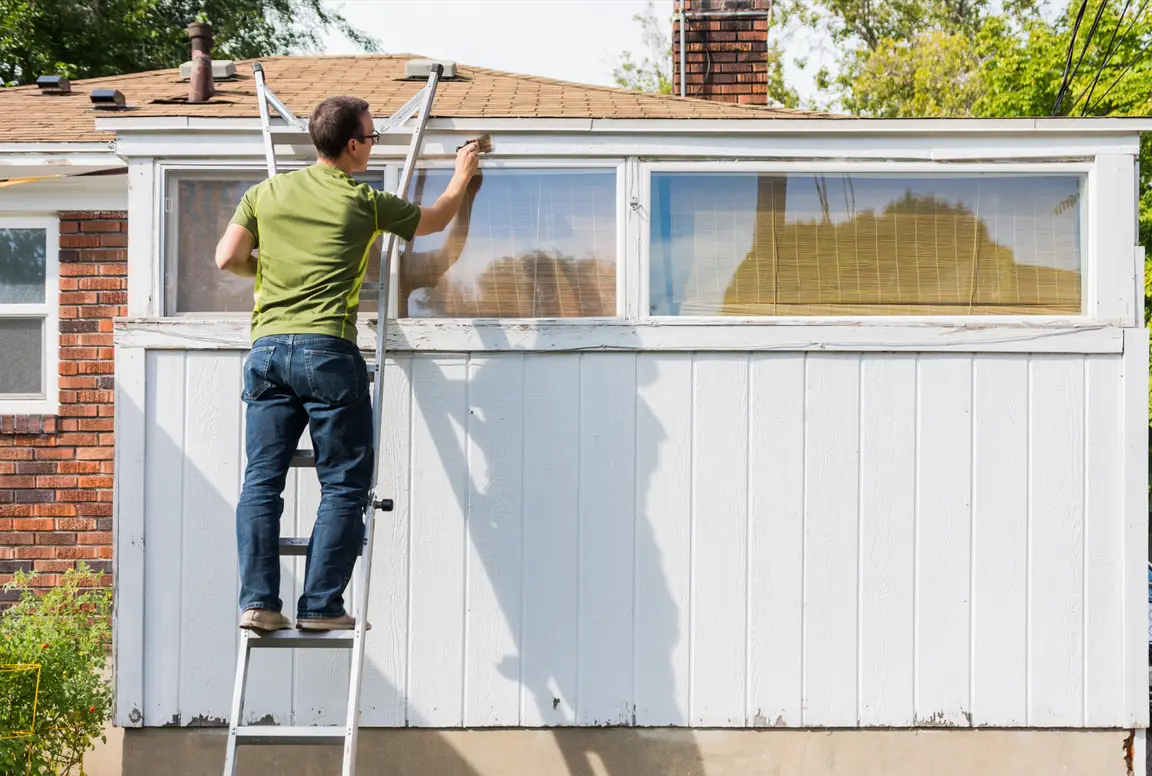
In practice, FHA and VA appraisers flag items a conventional appraiser might note and move past. Peeling paint on a pre-1978 house is the classic one. HUD’s handbook requires the appraiser to note defective paint and call for its repair under federal lead safety rules. Missing handrails, broken windows, exposed wiring and a roof near the end of its life are common too.
Those standards are changing. In September 2026, HUD posted proposed revisions to its minimum property requirements for public feedback, aimed at clarifying when appraisers should call for repairs. Until any change takes effect, the current list applies.
Does your buyer have an FHA or VA loan? If so, expect a closer look. Walk the house with that list in mind before the appraiser arrives.
Conventional loans aren’t exempt, either. Those appraisers can still call for required repairs when something threatens safety or the structure, like an active roof leak, a missing kitchen sink or a heating system that doesn’t work. The bar is just lower than FHA’s.
Common Required Repairs on Massachusetts Homes

Older houses fill much of Massachusetts, and they tend to collect the same handful of problems. Peeling paint shows up first, inside and out, especially on porches, window trim and basement stairs. Lenders also flag missing or loose handrails on stairs with several steps, cracked window glass and doors that don’t lock.
Systems come next. A water heater without a discharge pipe on its relief valve, an electrical panel with open slots, a furnace that won’t run and a roof with missing shingles or leaks all draw attention. Water in a basement or crawl space can turn into one of the required repairs if it threatens the structure.
Last spring I bought a two-family in Holyoke right after an FHA appraisal sank the seller’s first sale. The list ran to a rotted back porch railing, peeling paint on all three stair landings and a cracked pane in the second-floor kitchen. She had already moved to a job in Worcester and couldn’t manage contractors from there. We bought it as it stood, and the work became our problem instead of hers.
Most required repairs are small on their own.
Together, and on a deadline, they add up quickly. Painters, carpenters and electricians all have to fit into the same two weeks, and Massachusetts contractors are often booked out in spring and summer.
Our winters don’t help. Freeze-and-thaw cycles crack steps and walkways, ice dams lift shingles and rot porch posts, and peeling paint gets worse every season. A Massachusetts house that looked fine in October can show three new required repairs by April.
Massachusetts Rules That Overlap With Required Repairs

Some fixes have nothing to do with the lender. Massachusetts has its own requirements when a house changes hands, and they tend to land on the same punch list.
Every seller needs a certificate from the local fire department showing the smoke and carbon monoxide alarms meet code. The Department of Fire Services tells sellers to schedule that inspection once a closing date is set. Old or missing alarms have to be fixed before the certificate is issued.
Houses on a septic system need a Title 5 inspection within two years before the sale, according to the state’s septic guidance. Failed systems turn into the biggest item on the list fast.
Lead paint brings its own rules. Under the Massachusetts lead law, homes built before 1978 come with disclosure duties for sellers. A buyer whose child under six will live there must have the home deleaded or brought under interim control within 90 days of taking title. That’s one reason a buyer’s lender may push hard on peeling paint in an older Massachusetts home.
Who Pays for Required Repairs in a Massachusetts Sale
No Massachusetts law makes the seller cover a lender’s fix-it list. It’s a negotiation, and your sales agreement and its financing terms set the starting point.
In most sales, the seller ends up doing the work, since the house is still theirs and the buyer can’t make repairs on property they don’t own. The two sides may split the cost. Or the buyer may accept a lower price in exchange for the seller doing the work. When neither side will budge, the sale can fall apart, and the house goes back on the market with a known problem.
A credit at closing doesn’t always solve it. Lenders limit how much a seller can credit a buyer, and a credit can’t replace a repair the lender says must be finished before the loan funds. Ask the buyer’s lender what it will accept before you offer money instead of work.
Some sales agreements set a dollar cap on what the seller will spend on repairs. If yours has one and the required repairs run past it, the extra becomes a new negotiation, and the buyer may have the right to walk away.
Our article on who pays for appraisal and inspection covers the related costs. Write every repair agreement down.
A handshake about who fixes the porch has a way of being remembered differently two weeks later.
How the Appraiser Confirms Required Repairs Are Done

Doing the work is half the job. The lender also needs proof. For conventional loans sold to Fannie Mae, the appraiser usually confirms the finished work on the Appraisal Update and/or Completion Report, known as Form 1004D. FHA uses that same completion report for its loans.
That means another visit, sometimes with a fee, and another few days on the calendar. Book contractors early so the appraiser isn’t waiting on you. Keep receipts, permits and before-and-after photos for every repair. Lenders and appraisers ask for them, and they speed up the final sign-off.
Pulling a permit matters in Massachusetts for electrical, plumbing and some structural work. An appraiser or lender may ask whether the work was permitted, and a missing permit can raise new questions late in the sale.
A pattern I see a lot: sellers rush the repairs, then forget to tell anyone they’re done. Call the buyer’s lender the day the last item is finished and ask them to order the re-inspection.
Every day you wait is a day off the clock.
What to Do When You Can’t Afford the Required Repairs

Cash is the usual problem. Sellers who are moving, behind on payments or already stretched may not have money for a new roof two weeks before closing.
You have a few paths. Some lenders allow an escrow holdback, where money is set aside at closing and the work is finished afterward. Fannie Mae’s rules allow postponed improvements in certain cases, though each lender decides whether to use them. Your buyer might also switch to a loan type with less strict property standards, if they qualify.
Another route is lowering the price so the buyer can handle the work after closing with a different loan or their own cash. When none of those options work, the sale may end. That’s when many owners look at selling the house as it is. Our guide on selling for less than appraised value walks through the trade-offs.
Is a faster, simpler sale worth more to you than the price a full repair list would protect? Answer that before you call a contractor.
A cash buyer is one more option, covered below.
How to Spot Required Repairs Before You List

Problems you find yourself are the cheapest ones to fix. Walk your house the way an appraiser would, room by room, with a notebook. Scan the ceilings for stains and the floors for soft spots.
Every stair with three or more steps needs a sturdy handrail. Look for peeling or chipping paint on porches, trim and windows, especially on a house built before 1978. Open every window and door. Run the heat, the hot water and every faucet, and look at the electrical panel for missing covers or open slots.
Outside, look at the roof from the street and the yard. Missing shingles, sagging lines or moss are worth a roofer’s opinion. A pre-listing home inspection in Massachusetts can catch the rest, and it gives you time to fix problems before a buyer’s lender sets the deadline for you.
Rural Massachusetts homes bring a few extra items. Buried oil tanks, old wells and aging septic systems all draw a lender’s attention, and each one can take weeks to resolve. If your house has any of them, gather records now, like the last septic pumping receipt or the date the tank was installed.
Get a second set of eyes, too. A friend who didn’t live in the house will spot the loose railing you stopped seeing years ago. It costs nothing, and it can save a week at the end.
Fix the safety items first. Handrails, smoke alarms and loose wiring cost little and appear on almost every lender’s list.
Massachusetts Home Prices and the Cost of Required Repairs

Higher values make some fix-it bills easier to swallow. Statewide, the Massachusetts Association of Realtors reported a $715,000 median single-family price in June 2026.
Western Massachusetts runs lower. Redfin’s mid-year review put the Springfield area’s median sale price at $364,057 for January through June 2026. Roofs and porches cost about the same in Springfield as they do closer to Boston, so the work takes a bigger bite out of a smaller sale. On a modest Western Massachusetts house, one roof can eat a real share of the equity.
Buyers there were paying full price and then some, at an average of 102.1% of list price in May 2026, according to Redfin data. That kind of demand gives a Massachusetts seller some room to negotiate who covers the required repairs.
Low appraisals add pressure. When the value comes in under the contract price and the lender wants work on top, sellers can lose twice. Our article on how often appraisals come in low explains why it happens and what to do about it.
A Cash Sale for a Massachusetts House With Required Repairs
Cash buyers don’t use a mortgage lender, so there’s no appraisal condition and no fix-it list. The house sells as it is, and the price reflects its condition. For some sellers, that trade is worth it.
We look at the house once, make a written offer and close when you’re ready. Any required repairs from an earlier appraisal become our job after closing, and you don’t have to fund or schedule any of them. Your Massachusetts closing attorney handles the payoff and the deed as usual.
It fits best when the list is long, the money isn’t there or the timeline is tight. A cash sale also fits when the work keeps growing, since one required repair often leads a contractor to find two more.
I bought a ranch in Palmer from an owner whose buyer’s lender wanted an old buried oil tank removed before closing. He’d already paid for one round of repairs and didn’t want another. We closed on his schedule, and the tank came out after the sale on our dime.
Naples Home Buyers buys houses with appraisal required repairs all across Massachusetts, including Agawam, Amherst, Chicopee, East Longmeadow, Northampton, Florence and Springfield. Sellers who also wonder about repairs after closing can read how that works here.
Required Repairs Questions Massachusetts Sellers Ask
Do I Have to Make Repairs the Appraiser Requires?
No law forces you to, though the buyer’s loan usually can’t close without them. You can make the repairs, negotiate a price change or let the buyer walk if your agreement allows it. Talk to your attorney before you decide.
Can the Buyer Do the Repairs Instead of Me?
In most cases that has to wait until after closing, since the house still belongs to you. Some lenders allow a holdback so work can be finished later. Ask the buyer’s lender early if that’s an option.
Are FHA Repair Requirements Stricter Than Conventional?
Generally, yes. FHA and VA appraisals check the house against minimum property standards for safety, security and soundness. Cosmetic issues usually stay off the list, while safety items get flagged.
What if I Disagree With the Appraiser’s Repair List?
Ask the buyer’s lender how to request a review, and send any documents that show the item is fine, like a recent roof or electrical report. The lender makes the final call on what must be fixed. Keep the closing date in mind while you wait, since a review can take a week or more and the buyer’s financing deadline doesn’t pause for it.
Does Massachusetts Require Sellers to Make Any Repairs?
The state doesn’t set a general repair standard for sellers. You do need a smoke and carbon monoxide certificate, a passing septic inspection if you have one and the lead paint disclosure on older homes. Anything else comes from the buyer’s lender or your agreement.
How Long Do Required Repairs Delay a Massachusetts Closing?
Small items can be finished and checked within a week or two in most Massachusetts towns, depending on contractor schedules and how fast the appraiser can return. Bigger work, like a roof or a septic system, can take much longer, and the buyer’s rate lock may run out. Ask for a written extension as soon as you know the work will run past the deadline.
Can I Back Out of the Sale Over Required Repairs?
It depends on your sales agreement. Some agreements cap what the seller must spend, and going past that cap can open a way out for either side. Your attorney can read the terms and tell you where you stand.
Will Required Repairs Lower My Home’s Value?
The repairs themselves won’t, though the problems behind them can. Fixing safety items often helps the appraisal. Owners who’d rather fix nothing can take a cash sale, which prices the condition in up front.
When an appraisal repair list has you stuck, Naples Home Buyers can make a no-obligation cash offer on the house as it is. You won’t need to fix anything or wait on a re-inspection, and you pick the closing date. Call (413) 331-6060 or contact us whenever you’re ready to talk.
Sell Your House in Massachusetts For Cash 💰
We buy houses in Massachusetts In ANY CONDITION! We pay CASH and you will not pay any commissions, agents, or fees. Enter your address to get your cash offer in 24 hours or less!
Resources To Help You Sell A House in Massachusetts
Give Us A Call At (413) 331-6060
If you require additional assistance or have specific questions, please do not hesitate to Contact Us at (413) 331-6060. You Can also visit our Homepage at Naples Home Buyers for more information and detailed descriptions of our services.