
![property tax rate [market_city]](https://image-cdn.carrot.com/eyJidWNrZXQiOiJwcm9kdWN0aW9uLmNhcnJvdC11cGxvYWRzLm9uY2Fycm90LmNvbSIsImtleSI6InVwbG9hZHMvc2l0ZXMvNzcwMDAvMjAyNS8wNy9wcm9wZXJ0eS10YXgtcmF0ZS1tYXJrZXRfY2l0eS5wbmciLCJlZGl0cyI6eyJyZXNpemUiOnsid2lkdGgiOjExNTJ9LCJ0b0Zvcm1hdCI6IndlYnAiLCJ3ZWJwIjp7InF1YWxpdHkiOjcwfX19)

Understanding Property Taxes in Springfield, MA
Property taxes in Springfield, Massachusetts, significantly impact the local real estate and housing markets. These taxes are the city’s primary source of revenue, funding essential services such as public education, infrastructure maintenance, and public safety.
Springfield’s property tax rate is established by assessing the value of residential and commercial properties inside the city limits. The appraisal process considers the location, size, and condition of properties.
Changes in the property tax rate can significantly affect housing affordability for homeowners and potential buyers. A higher rate may discourage new home purchases or real estate investment, whereas a lower rate may increase demand by making home ownership more financially appealing.
Property tax changes can impact landlords’ and investors’ rental yields and investment strategies. Understanding how these taxes are computed and their impact on property prices is critical for anybody active in the Springfield real estate industry.
If you’re feeling the pressure of Springfield’s property taxes and want a simpler path forward, Naples Home Buyers can help. As a trusted local cash home buyer, we make it easy to sell your Springfield house fast, with no repairs, fees, or tax headaches, while also buying homes in nearby areas like Agawam.
Factors Influencing Property Tax Rates in Springfield, MA

In Springfield, MA, property tax rates are affected by a number of things that have a big effect on the housing market. One important thing to look at is the assessed value of homes. This shows how the market is right now and could change based on Springfield area economic trends and demand.
Local government budgets are vital for funding public schools, infrastructure projects, and emergency services, which may lead to adjustments in property tax rates. Shifts in state assistance allocations can also impact municipal fiscal policy, forcing Springfield to adjust its revenue plans to keep key services running.
Legislative changes at the state and local levels may also influence how taxes are charged, perhaps affecting exemptions or assessment procedures that directly affect homeowners. Economic development initiatives to lure new firms or rejuvenate cities can impact property tax dynamics by changing the tax base or rewarding specific types of real estate investment.
Understanding these complicated issues is critical for players navigating Springfield’s changing property tax situation and the broader implications for the housing market.
How Springfield, MA Calculates Property Tax Levies
Springfield, MA, calculates property taxes by analyzing the value of real estate properties and applying an annual tax rate. The process begins with the Assessor’s Office conducting a detailed evaluation of all taxable properties to determine their fair market value.
These assessments consider the property’s size, location, condition, and current sales data. Once the assessed value is calculated, Springfield officials establish a tax rate to produce income for municipal operations and services like schools, public safety, and infrastructure upkeep.
This rate is calculated in dollars per $1,000 assessed property value. Springfield uses a classification system that provides varied rates for residential, commercial, and industrial properties, distributing the tax burden evenly across property owners.
Adjustments to these rates reflect budgetary demands or shifts in the general assessed value base in Springfield’s real estate market.
Comparing Property Tax Rates Across Massachusetts Cities
Property tax rate adjustments substantially impact Springfield’s real estate and housing market compared to other Massachusetts communities. Springfield frequently offers a more reasonable tax climate for homeowners than other communities, such as Boston, Worcester, and Cambridge.
This pricing may entice potential homebuyers searching for lower total living expenditures while enjoying the benefits of city life. However, even slight changes in Springfield’s property tax rates can significantly impact the housing market, influencing everything from home values to buyer interest.
On the other hand, cities such as Newton or Lexington may keep higher property taxes while providing various financial incentives or public services to residents to justify these expenses. Understanding these distinctions is critical for investors and purchasers as they negotiate the complexity of the Massachusetts real estate scene, where property tax rates directly impact both market trends and personal financial planning.
The Impact of Local Government Budgets on Springfield, MA, Property Taxes
Local government budgets substantially impact Springfield, MA’s property tax rates, directly affecting the real estate and housing markets. The demand to raise property taxes grows as municipal expenses rise, driven by public education, infrastructure upkeep, and public safety services.
These changes might cause swings in property values since increased taxes may discourage potential homebuyers or investors looking for inexpensive options. Investing in community facilities and services can attract newcomers and boost real estate demand in Springfield.
Local governments must balance earning enough revenue from property taxes and providing an appealing environment for inhabitants. As a result, adjustments in property tax rates reflect broader fiscal plans aimed at promoting long-term growth while addressing community requirements.
Historical Trends in Springfield, MA Property Tax Rates
Springfield, MA, has experienced considerable swings in property tax rates over the years, affecting the local real estate and housing markets. Historically, variations in these tax rates have been influenced by various economic factors, including changes in local budgets and overall financial conditions.
During economic downturns, the city frequently raises property taxes to cover revenue deficits, influencing homeowners’ and potential buyers’ decisions. In contrast, when the economy is robust, attempts may be made to lower or stabilize tax rates to attract new inhabitants and boost housing investment.
These historical trends show a delicate balance between producing critical municipal revenue and creating an appealing environment for real estate development. Rising or falling property tax rates can impact housing affordability and market dynamics, affecting everything from home values to buyer demand in Springfield’s communities.
Understanding these historical tendencies provides insight into how current and future property tax changes may affect Springfield’s real estate sector.
How to Appeal Your Property Tax Assessment in Springfield, MA

You must appeal your Springfield, MA, property tax assessment if you believe your home has been overvalued, raising your taxes. Check your property tax assessment notice to ensure all real estate information is correct before appealing.
Gathering proof is essential if inconsistencies are found or comparable properties were rated lower. This may be Springfield’s recent sales or an independent valuation of your property.
After gathering evidence, file an abatement application to the Springfield Assessor’s Office within three months of the tax bill’s issuance. Keeping accurate records and providing detailed documentation will aid your case.
You must study Massachusetts property tax and assessment rules to bolster your case. Work with a Springfield real estate attorney or property tax expert to gain an understanding and improve your appeal chances.
Important Deadlines for Paying Property Taxes in Springfield, MA
Homeowners and investors need to be aware of the property tax deadlines for Springfield, MA. Springfield’s property tax cycle generally has two main payment installments per year.
The first installment (taxes July-December) is due August 1st. The second payment, covering the period January-June, must be paid by February 1 of the following year.
For property owners, it is crucial to observe these dates to prevent interest charges or fines that could badly effect their financial situation and the housing market as a whole. Timely payments provide compliance with local legislation and good conditions on the real estate market.
Missing these crucial deadlines may result in liens on properties, lowering market prices, and hindering future sales. As Springfield’s property tax rates fluctuate, remaining educated about payment schedules becomes essential for properly managing budgets and investment strategies in this changing market situation.
Exemptions and Deductions for Property Owners in Springfield, MA
A multitude of exemptions and deductions for Springfield, MA, property owners affect the property tax rate and real estate market. Financial benefits will lower taxes for seniors, veterans, and low-income families.
For instance, older homeowners may be able to get an exemption that lowers the amount of tax that they have to pay on their home, and soldiers may be able to get extra deductions based on their service status. Exemptions lower property taxes and make it cheaper to own a home.
This dynamism has a direct impact on the housing market in terms of demand; it might promote interest in certain houses or areas where such perks are widespread. Furthermore, the possibility of property tax reductions could make Springfield’s real estate market more attractive to first-time home owners.
As these exemptions and deductions change, they alter local housing market investment tactics by influencing buyer purchasing power and seller pricing strategies.
The Impact of Real Estate Market Fluctuations on Springfield, MA Taxes
Changes in the housing and commercial-property markets hit Springfield, MA, taxes harder than many people realize. When home or business values climb or drop, those shifts feed into how local assessors value each parcel, which decides how much yearly tax money the city collects.
When the market booms and values shoot up, homes and businesses are reassessed at higher levels. That boost adds new revenue, giving Springfield room to upgrade roads, parks, and emergency services and, in many cases, bringing small-ticket extras like splash pads or new library hours along for the ride.
On the flip side, a downturn, whatever the reason, cuts values and shrinks the taxable base, leaving the city with a thinner budget. To balance the books, officials might raise rates, trim programs, or hunt for savings in departments that locals rely on most. Because of this back-and-forth loop, a single swing in real-estate sentiment can echo through paychecks, storefront windows, and school hallways across the city.
Because the connection is so tight, decision-makers must keep a steady eye on the market when they sketch out next year’s budget and the one a decade down the road. That awareness helps them steer Springfield toward steady funding without big, sudden jumps in tax bills.
Differences Between Residential and Commercial Property Taxes in Springfield, MA
In Springfield, the gap between residential and commercial tax rates shapes every corner of the housing and business market. Because the city treats homes, stores, and offices through different lenses-what the land is used for and how quickly it can generate revenue-residential properties typically face a lower percentage than their commercial counterparts.
Residential properties are usually valued by looking at similar homes sold nearby and factoring in location, square footage, and extra features such as garages or pools. Commercial buildings, however, are mainly valued by how much money they can make, and that focus on income can push their appraised values- and the taxes that follow higher.
These different approaches ripple through the market. When commercial tax bills climb, companies may slow hiring or pass the cost to tenants through steeper rents. On the residential side, any swing in tax rates quickly affects how much buyers can afford, which in turn influences demand and home prices.
Therefore, investors, landlords, and everyday property owners in Springfield need to weigh these issues whenever they think about a new purchase, a renovation, or even holding onto what they have. A clear sense of how the city treats homes versus stores and offices helps them spot opportunities while keeping the tax bite as small as possible.
Changes to Expect in Future Springfield, MA, Property Tax Policies
Springfield, MA, is changing fast, meaning the rules about property taxes are also set to change, touching every part of the local housing scene. City leaders may tweak tax rates depending on how the economy grows, how much money the budget needs, and the shifting makeup of the community.
To meet spending obligations without hurting homeowners, officials could consider updating assessments more often or rolling out a graduated system that eases the bill for seniors and low-income families. Such steps aim to pull in the dollars the city needs while keeping housing within reach for those most at risk of being squeezed.
When tax plans move, they hit buyers’ wallets first and may cool or heat demand in different neighborhoods. Higher estimates or steeper rates usually push some shoppers to the sidelines. At the same time, relief lets more folks enter the market and offer a climb, so minor policy tweaks can create significant market shifts overnight.
Real-estate pros, investors, and everyday owners should track every change proposal closely, read the new numbers, and plan so they are not blindsided once the vote is counted.
How Infrastructure Projects Influence Tax Rates in Springfield, MA
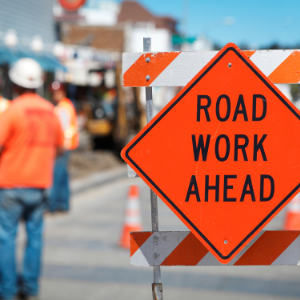
Major road work, new bus lines, and updated parks may make everyday life easier, but they also directly affect how Springfield sets property taxes and, by extension, the housing market’s health. City officials usually pay for big builds by raising the values of home assessments, so heavier tax bills often follow shiny new sidewalks or community centers.
In the short run, homeowners may grumble at the high numbers, yet better streets and safe play areas tend to draw eager buyers and investors who push values even further up. After all, nobody wants to move to a neighborhood where potholes or a missing bus line slow down commutes and errands, and that rising demand funnels back into heavier property tax bills for current residents.
Keeping Springfield home prices in check hinges on how lawmakers balance road upgrades, sewer repairs, and the taxes they must pay. Well-maintained infrastructure tends to lure new businesses, attract more residents, and widen the tax base, making future tax rates somewhat lighter.
Therefore, for real-estate investors and builders, following every construction bond and pavement offer is almost as vital as watching interest rates; both help on-the-ground players project how higher spending flows through the municipal budget and lands on property tax bills.
The Role of Assessors in Determining Your Property Value in Springfield, MA
In Springfield, MA, property assessors stand at the starting line of the tax cycle, translating bricks and paint into dollar amounts that, in turn, fix the owner’s monthly bill. Their appraisals examine a home’s location, square footage, age, upkeep, and recent sales of similar houses to produce a figure that mirrors the market instead of guessing.
By calibrating values this way, assessors create a fair framework for distributing tax dollars, ensuring that one block does not shoulder more than its fair share simply because the numbers were not kept up to date. That fairness, however, ripples outward; buyers scout listings partly through a rough estimate of each property’s tax burden, and sellers set prices against peers with similar expected bills.
Whenever the assessors roll through and tweak a value, the tax rate may follow closely, nudging affordability up or down and fanning or cooling demand in Springfield neighborhoods. Ultimately, an experienced board of assessors does more than crunch numbers; it guards transparency and equity, giving residents confidence that they only pay for what their home is worth.
What Is the Property Tax Rate in Springfield, MA?
Property tax rates in Springfield, MA, have an impact on how people buy, sell, and rent houses in the city. Local leaders decide each year what rate will be used to pay for roads, schools, fire and police forces, and other important services.
Current homeowners and buyers-to-be keep a close eye on the rate because it shows up in monthly bills. Changes in the rate can shift mortgage math, pushing payments higher or lower for both houses and businesses.
Knowing the exact tax rate today helps sellers, buyers, and professionals make more innovative moves in Springfield’s real estate market. Attention to City Hall announcements also helps everyone guess how the market could change tomorrow.
How Much Are Property Taxes in Springfield Township?
Property taxes in Springfield Township appear in many budgets, shaping how neighborhoods grow and change. Elected officials decide the tax rate on every homeowner’s statement.
To compute the tax bill, the township first gets an official value for each piece of land and building. That number, multiplied by the current rate, tells owners exactly what they owe, money that keeps classrooms open and streets safe.
Recent changes in property tax rates have sparked plenty of chatter among local homeowners and real estate watchers about what the new numbers might mean for home prices and market activity. Whether the tax rate increases or decreases, the shift usually pinches buyers’ wallets and often tips the scale on whether families choose to list or buy a house in Springfield Township.
Anyone buying, selling, or appraising homes around here must pay attention to these shifts because they steer demand, shape supply, and touch nearly every part of the local economy.
Which Towns in MA have the Highest Property Taxes?

To understand how Springfield’s revised rates affect real estate, it is helpful to compare the city to nearby Bay State towns known for heavy property taxes. Across Massachusetts, many communities stand out for their sky-high rates, which significantly affect their local housing markets.
Longmeadow, for instance, often ranks at or near the top of lists that rank cities by tax burden. Weston and Lincoln also show up there; their steep bills usually match the premium services and top-tier schools residents expect.
High property taxes affect monthly bills and reverberate through home values, buyer interest, and the broader market. Having these points in mind can lead house-hunters to smarter decisions in the Massachusetts real estate scene when they balance Springfield against other communities with even higher taxes.
What Is the Property Tax Rate in Springfield, MA, in 2025?
Springfield’s 2025 tax rate will set the tone for its housing world, shaping moves by sellers, buyers, and landlords alike. Whether you’re already living there or simply curious, knowing this number helps you confidently size up the local market.
City expenses, school budgets, road repairs, and the strength of the local economy determine the rate. Each piece tells homeowners and investors how far their dollars will stretch, whether they own a tiny bungalow or a downtown office block.
When the city nudges the rate up or down, demand can bounce quickly: more buyers enter if taxes fall and fewer rise. Keeping tabs on the shift lets you plan snacks, not surprises, so your next real estate move aligns with your budget and goals.
Because of that, everyone working in Springfield’s real estate scene needs to watch the shifting property tax rules closely. Taxes significantly affect the cost of owning a home and the city’s appeal to new investors.
If property taxes in Springfield make homeownership feel burdensome, Naples Home Buyers offers a hassle-free way to sell your house for cash, helping you move on quickly without the stress of ongoing tax obligations. Contact us at (413) 331-6060 to get your offer today!
Helpful Springfield Blog Articles
- Selling Your Springfield, MA, Home And Relocating Out Of State
- Downsizing Your Family Home In Springfield, MA
- How To Sell Your House In Springfield, MA, With Outstanding Property Taxes
- Selling Your Springfield, MA, Home During A Relocation
- How To Successfully Sell A House With A Lien In Springfield, MA
- How To Change Homeowners Insurance In Springfield, MA
- Sale Of Your Springfield, MA, Home With A Reverse Mortgage
- How To Successfully Sell Your Mortgaged Home In Springfield, MA
- Springfield, MA: A Guide To Neighborhoods And Real Estate Opportunities
- Springfield, MA, Property Tax Rate On Real Estate And Housing Market
- How Much is Home Staging Cost in Springfield, MA?
- How Long After an Appraisal Can You Close in Springfield, MA?
- Difference Between a Short Sale and Foreclosure
- Difference Between Title and Deed in Real Estate

| MILL RATES | EFFECTIVE TAX RATE | TAX RATE | HAMPDEN COUNTY, MA | HAMPDEN COUNTY, MASSACHUSETTS | HAMPDEN COUNTY |
| HAMPDEN | AVERAGE | DOMENIC SARNO | SARNO | TAX RELIEF | TAX EXEMPTIONS |
| MEDIAN HOME PRICE | FY24 | FISCAL YEAR | CASH | MEDIAN | GOVAN |
| CALCULATOR |