
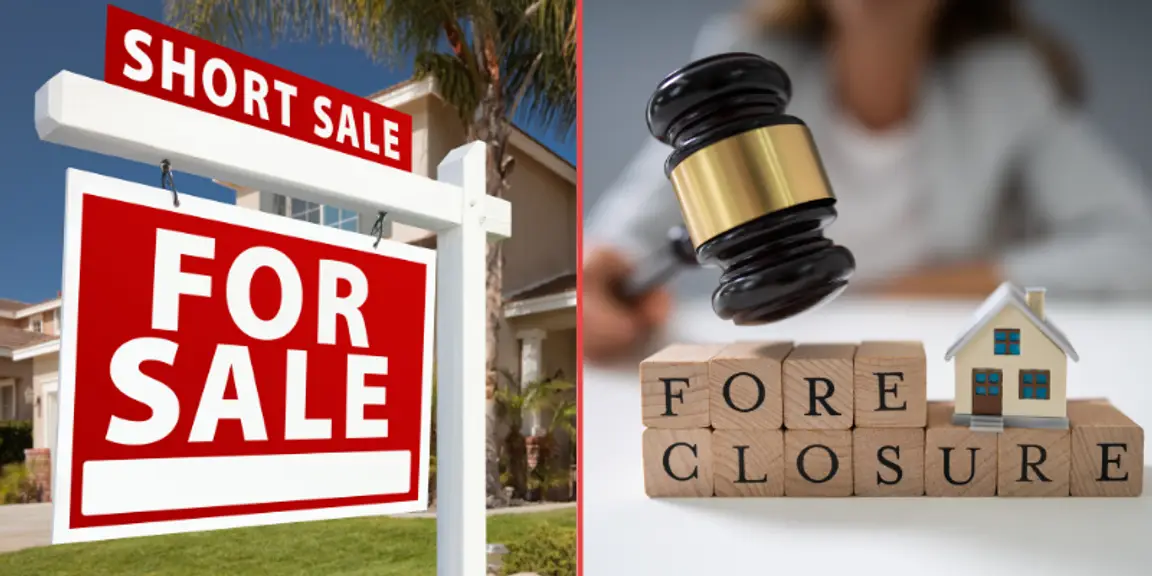

Most homeowners who call me don’t really know the difference between a short sale and foreclosure. They know they’re in trouble. They’ve heard both terms, and they’re scared. Fear alone has pushed plenty of homeowners into the wrong choice, and then the bank ends up making the call instead of them. So read this before you hand that decision over. Knowing how each path works protects your credit, your timeline, and what your finances look like a few years from now. The earlier you understand the options, the more control you keep.
The Two Options Every Distressed Homeowner Faces
A short sale is voluntary. A foreclosure happens to you. One leaves you holding the steering wheel, the other hands it to your lender. Both land on your credit report, and both usually sit there for seven years. What differs is how the account gets reported, how soon you can borrow again, and what legal exposure follows you out the door.
Foreclosure filings were reported on 367,460 U.S. properties in 2025, up 14% from the year before, according to ATTOM Data Solutions. Two things follow from that. More homeowners are in trouble than most of them admit, and lenders are moving through the process faster than they were a few years ago. If you’re still on the fence about your options, your clock is already running.
Both a short sale and a foreclosure end with you out of the house. The aftermath is where they split, and the gap is wide enough that picking wrong can cost you years. Sellers who move early keep options. Sellers who wait watch those options close one by one.
In many cases, Naples Home Buyers can make a cash offer for homes and step in quickly at this stage. That gives a distressed homeowner a faster as-is exit, without repairs, showings, or the guesswork of a traditional listing.
Short Sale Vs. Foreclosure: What Is the Difference and Which Is Better?
Most people picture foreclosure as the nuclear option, reserved for anyone who simply stopped trying, and a short sale as the polite version of the same ending. Reality is messier than that.
Foreclosure is a legal process. In judicial states, it opens with a court filing. In non-judicial states, it starts with a notice of trustee sale. Either way, the property keeps moving toward a foreclosure sale no matter what the homeowner does. ATTOM Data Solutions put the average time to foreclosure at 592 days in Q4 2025, though judicial states like Louisiana and New York can run much longer.
The folklore gets the credit part wrong. Scoring models don’t draw a sharp line between the two, and FICO has said a short sale, a deed-in-lieu, and a foreclosure land in roughly the same place. How far your credit score falls depends mostly on where it started. A homeowner sitting at 680 might lose 85 to 105 points. A borrower at 780 can lose 140 to 160, because there’s more to lose. Short sales only pull clearly ahead on credit when you never missed a payment, and you walk away owing no deficiency.
Recovery time is the real gap. Fannie Mae makes you wait seven years after a foreclosure before you can get a conventional loan again, against four years after a short sale, or two with documented extenuating circumstances. Those extra years are the strongest argument for a short sale, and they’re the part sellers underrate most.
Where does short sale win clearly? In dignity, in control, and in your ability to negotiate the terms of what gets reported to credit bureaus. Foreclosure is public. It involves court records, auction notices, and eventual eviction. Short sales are handled between you, your agent or attorney, and the lender’s loss mitigation team, and this approach can easily attract investor house buyers in Amherst and surrounding Massachusetts cities.
One practical difference gets overlooked. A foreclosure shows up in public records that landlords and background screeners can find on their own. A short sale doesn’t. Your credit report shows a settled mortgage either way, but only the foreclosure leaves a paper trail somebody can pull without asking you first. If you plan to rent a home for a few years before buying again, that matters more than the score difference does.
What Is a Short Sale and How Does It Work?
You start a short sale by calling your lender, explaining the hardship, sending the documents they ask for, and then waiting. A buyer eventually buys the home at market value, but the lender agrees to take less than the full mortgage balance. If you need to sell your house fast in Springfield and other Massachusetts cities, understanding how a short sale works is worth your time before you commit.
Your home stays on the open market through all of it. A short sale isn’t a private arrangement with the bank. You list the property, show it, and take offers the way any other seller would, and the lender only weighs in once a signed offer reaches them. That surprises homeowners who assume the bank handles everything.
A short sale is messier than a normal property sale. The lender reads your hardship letter, orders a broker’s price opinion or a comparable sales appraisal, and decides whether taking less now beats foreclosing later. Second mortgages and home equity line of credit balances complicate everything, because every lienholder has to sign off on the short sale before it can close.
That’s why short sales collapse late. A second lienholder can refuse to release the lien unless somebody pays them, which stalls or kills the closing. It’s also why the whole thing tends to run three to six months from accepted offer to funded sale.
Even after a short sale closes, a deficiency judgment can follow you. Negotiate a written waiver before you sign anything, because that document decides whether the leftover debt is actually gone.
What Actually Happens in a Foreclosure (Step-by-Step)
Foreclosure is how a lender takes the property back after you fall behind on mortgage payments. Details change state to state, but the shape is predictable. Under federal servicing rules, your servicer generally can’t make the first foreclosure filing until you’re more than 120 days delinquent. Before that point, you’re in what most people call pre-foreclosure.
Early on, the lender sends a Notice of Default or the state equivalent, a formal warning that the mortgage is headed for legal action. Many states add a right-to-cure window, giving you time to bring the loan current and stop the foreclosure cold.
If nothing gets resolved, the formal foreclosure process begins. This is where the path splits depending on the state:
- In judicial foreclosure states, the lender must file a lawsuit and go through the court system.
- In non-judicial foreclosure states, the lender can proceed through a trustee sale without court involvement, which is typically faster.
Far enough along, the home gets scheduled for a foreclosure auction or trustee sale. The property sells at the foreclosure auction, often to the lender itself when nobody else offers enough. Once ownership transfers, your legal claim to the property is gone, and eviction follows if you’re still living in the home. A few states grant a short redemption period. In most, the sale is the end of it.
What Homeowners Can Still Do During Foreclosure
Losing the home to foreclosure isn’t automatic. If there’s still time on the clock and your lender will work with you, options exist. A loan modification rewrites the mortgage terms so the payment actually fits your budget, usually by stretching the term or cutting the interest rate.
Repayment plans spread the missed payments across your regular ones until you’re caught up. Reinstatement works if you can pay everything owed at once, fees included, and bring the loan current in a single move. Forbearance is worth asking about too. It pauses or shrinks the payment for a set stretch while you recover, though the paused amount comes due later. That one buys time, not forgiveness.
Through a deed-in-lieu of foreclosure, you hand the property to the lender and skip the long legal process, though lenders turn these down more often than homeowners expect. You can also sell first, through a traditional listing or a short sale, before the auction date arrives. Done early enough, that’s usually the least damaging ending available. Timing decides all of it. Once the foreclosure sale date is on the calendar, your options thin out fast.
A cash sale sits between those options and a short sale. If you still hold equity, selling the home outright to a cash buyer pays off the mortgage, keeps the foreclosure off your record, and closes on a date you pick. It only works when the home is worth more than the loan, so an honest payoff number is the first thing to pull.
If you’re facing foreclosure, contact us for a fast cash offer. Selling before the auction limits the credit damage and leaves the timeline in your hands.
Do You Have to Be in Default to Qualify for a Short Sale?
No. Federal rules keep servicers from filing that first foreclosure notice until you’re more than 120 days behind, but nothing says you have to be behind at all to open a short sale conversation. Plenty of homeowners assume otherwise and wait, which costs them.
Lenders care about documented hardship, not just missed payments. Job loss, divorce, a medical event, or clear proof the payment no longer fits will get their attention. A short sale closed without missed payments usually shows up as a settled account. That still marks your credit, though less than a foreclosure and the string of missed payments that led to it.
Starting the short sale early cuts the credit damage and buys you goodwill with the lender. Lenders reward proactive borrowers with better answers. You’ll still assemble the full package for review: hardship letter, bank statements, income documents, tax returns, a financial worksheet, and sometimes a market analysis. Send it incomplete, and you’ll wait longer than you need to.
When Should You Start the Short Sale Process and What Steps Are Involved?
Waiting is the mistake I see most. Homeowners sit on it until they’re behind and the notices start arriving, and only then think about a short sale. By that point, the pre-foreclosure process is already running, which squeezes the window for short sale approval.
Start as soon as it’s clear the mortgage isn’t sustainable. The steps run in order: document the hardship, gather the paperwork, list the property, secure an offer, and send that offer to the lender for review and approval. Each stage takes weeks, sometimes months.
The lender’s short sale review alone can run 30 to 90 days after an offer is accepted, and that clock ticks right alongside the foreclosure clock. If notices are showing up in your mailbox, move now. An experienced real estate professional or attorney will get you further than going it alone.
Will You Still Owe Money After a Short Sale Is Completed?
Closing a short sale doesn’t automatically erase the debt. Sellers find that out too late all the time.
The lender approves the short sale, takes the proceeds, and releases the lien. Unless the approval letter says the deficiency is waived, though, the lender can still come after the balance. Deficiency is just the gap between what you owed on your mortgage and what the home sold for. Owe $300,000, sell for $275,000, and the deficiency is $25,000.
State law only protects you so far. Some states have anti-deficiency statutes that limit or wipe out the lender’s right to chase you. Others give lenders a long leash. Massachusetts allows a deficiency claim if the lender sends written notice at least 21 days before the sale and files suit within two years of it. That’s exactly why an attorney belongs in this before you sign.
You can negotiate the waiver. Get it in writing when they agree, because that letter is what protects you years down the road. Assuming the lender won’t bother collecting is a bet you don’t need to make. Some homeowners skip the short sale process entirely and work with cash home buyers in Massachusetts instead, when a faster and more certain exit matters more.
Financial and Legal Consequences of Foreclosure

Foreclosure follows you past move-out day. The credit hit lands immediately, and the foreclosure record sits on your credit report for seven years, measured from the first missed payment that started it. That makes future loans harder to get, rentals harder to land, and certain employment screens harder to pass.
Auctions also tend to sell homes below market value, so whatever equity you had left often evaporates. Once a home is sold that way, speed has beaten price, and there’s no recovering the difference. If the foreclosure sale doesn’t cover the loan, the lender may still pursue a deficiency judgment, depending on state law and the loan terms. Then there’s the seven-year wait for a conventional mortgage, though some loan programs allow shorter waits under specific conditions.
Foreclosure also takes away the choice of when you leave the home. A short sale closing gets scheduled around a date you agreed to. A foreclosure auction gets scheduled around the lender’s calendar, and the eviction that follows runs on somebody else’s timeline entirely.
What Are the Financial and Tax Consequences of a Short Sale?
Forgiven debt is generally income in the eyes of the IRS. Expect a Form 1099-C for the forgiven amount, and expect to owe income tax on it unless an exclusion applies. A big enough number can push you into a higher bracket, which is how unprepared sellers end up with a surprise tax bill. Understanding earnest money rules matters here too, since how your deposit gets handled depends on the Massachusetts purchase and sale agreement and why the transaction fell apart.
The exclusion most people have heard of is gone. Qualified principal residence indebtedness, created by the Mortgage Forgiveness Debt Relief Act and extended repeatedly, no longer applies to discharges completed or discharge agreements entered into after December 31, 2025. A bill to revive it, the Mortgage Debt Tax Forgiveness Act of 2025, went to the House Ways and Means Committee in February 2025 and hasn’t moved since. Insolvency is still on the table. If your total liabilities exceeded your assets right before the cancellation, you may owe nothing on the forgiven amount. Talk to a CPA or tax attorney experienced in real estate before you close, not after.
So a short sale isn’t free. You’re trading one large problem for a smaller set of them: credit damage, a possible tax bill, and a wait before your next mortgage. For most sellers, that trade still makes sense, but go in with your eyes open. Reading up on how to avoid a house foreclosure and weighing every option first will point you toward the right answer for your situation.
Both endings cost you the home. What they don’t cost equally is your credit, your money, and how fast you recover. Move early, and you keep choices. Wait, and the lender makes them for you. A qualified housing counselor or financial professional can help you sort out which path fits your circumstances.
Frequently Asked Questions
Is a Short Sale Better Than a Foreclosure?
Usually, yes. You control the timeline, the credit damage is often lighter, especially if you haven’t missed payments, and the wait before you can qualify for another mortgage is shorter. Fannie Mae asks for four years after a short sale, compared with seven after a foreclosure. The catch is timing. A foreclosure already in motion narrows what a short sale can accomplish, because the property may already be headed for auction.
How Long Is a Short Sale Before Foreclosure?
There’s no fixed answer. A short sale can take a few weeks or several months, depending on how many lienholders have to sign off, how responsive your lender is, and whether a buyer is already lined up. Foreclosure averaged about 592 days nationally in late 2025, and state timelines swing widely around that. Starting early in the pre-foreclosure stage gives you the room to finish.
What Comes First: Short Sale or Foreclosure?
A short sale has to be initiated before the foreclosure completes. Both can run at the same time, with your lender pushing the foreclosure forward while the lender’s loss mitigation department reviews your short sale package. That’s why staying in contact with that department matters so much. An approved short sale stops the foreclosure, but the approval has to land before the foreclosure sale date. After that, it’s too late.
If you’re sorting through all of this and want a simple solution, Naples Home Buyers buys houses in divorce situations, title issues, foreclosure cases, and other complex circumstances throughout Massachusetts. Call us at (413) 331-6060 for a no-obligation cash offer and a straightforward conversation about your options.
Helpful Springfield Blog Articles
- Selling Your Springfield, MA, Home And Relocating Out Of State
- Downsizing Your Family Home In Springfield, MA
- How To Sell Your House In Springfield, MA, With Outstanding Property Taxes
- Selling Your Springfield, MA, Home During A Relocation
- How To Successfully Sell A House With A Lien In Springfield, MA
- How To Change Homeowners Insurance In Springfield, MA
- Sale Of Your Springfield, MA, Home With A Reverse Mortgage
- How To Successfully Sell Your Mortgaged Home In Springfield, MA
- Springfield, MA: A Guide To Neighborhoods And Real Estate Opportunities
- Springfield, MA, Property Tax Rate On Real Estate And Housing Market
- How Much is Home Staging Cost in Springfield, MA?
- How Long After an Appraisal Can You Close in Springfield, MA?
- Difference Between a Short Sale and Foreclosure
- Difference Between Title and Deed in Real Estate