

Struggling to make mortgage payments can be overwhelming, but selling your house in Massachusetts could provide a lifeline. Understanding the proper steps and strategies is crucial in navigating this process efficiently. Whether dealing with overdue payments or avoiding foreclosure, having a well-outlined plan can lead to a successful sale. In this guide, we offer practical tips and expert insights to help homeowners like you find the best path forward. Learn how to prepare your home for sale, attract potential buyers, and close the sale quickly, ensuring a smoother transition while safeguarding your financial future.
Key Highlights
- Selling a house in Massachusetts when behind on payments requires strategic planning to avoid foreclosure.
- Understanding lender policies and foreclosure timelines is crucial for timing a sale effectively.
- Engaging with experienced real estate agents can streamline the selling process and attract buyers.
- Cash offers provide a swift solution by eliminating financing hurdles and closing delays.
- A short sale may mitigate credit damage compared to foreclosure, aiding financial recovery.
Understanding Your Options When Behind on Mortgage Payments
Falling behind on mortgage payments can be daunting, especially if you’re considering selling your home. In Massachusetts, homeowners facing financial distress have several avenues to explore. Whether you’re weighed down by a temporary dip in finances or enduring a more prolonged struggle, it’s crucial to grasp how mortgage payments impact your potential home sale. By examining how being behind on payments affects your home sale and weighing the pros and cons of selling amidst financial pressure, you can make informed decisions. Let’s delve into these topics to navigate your real estate challenges effectively.
How Being Behind on Payments Affects Your Home Sale
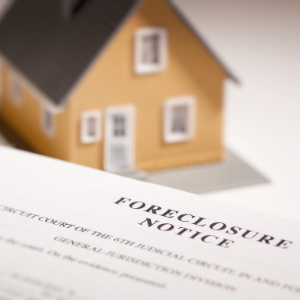
In Massachusetts, your ability to keep your home is directly related to the amount of mortgage payments that you are behind on. It might influence closing dates, prices, and how potential buyers view your home.
Also, you might be forced to sell your home to avoid the fees associated with missing mortgage payments. If the bank initiates foreclosure proceedings, your ability to sell your home may be limited.
When a home has not been sold, the owner’s credit score may become a factor, which is a common misconception. The home buyer’s credit score is not usually a factor in the home-buying/selling process, but if a foreclosure has been initiated, that public record will affect the buyer’s perception. If a home is in pre-foreclosure, banks will slow the selling process.
Your perceived ability to sell your home can be affected by selling it at a price below market value. This is especially important in pricing strategies to avoid spending a lot of time negotiating. A good starting point is to set the asking price you are willing to accept for your home.
More steps may be needed in some circumstances. If you owe more than the house’s value, the lender may need to approve the short sale in advance. Knowing your lender’s guidelines in advance of the short sale may help to avoid potential delays and problems down the line.
It may be more challenging to sell your home if you are behind on your mortgage payments, but it may help you avoid the problem from getting worse. If you act quickly, set the right price, and know your options, you may be able to sell your house before a foreclosure and more serious financial problems occur.
Pros and Cons of Selling Your House Amidst Financial Pressure
If you sell your house, you will walk away from your financial responsibilities and gain some relief; however, you will suffer some losses. The benefits include further reducing financial risk in the future. An early sale can help you avoid foreclosure, late fees, and credit damage. You will be removing the mortgage from your cash flow, allowing you to work on your financial goals.
Selling your home in a financial hole will give buyers the upper hand. Because there is economic pressure to sell, you will have to sell your home at a low price to give buyers the incentive to purchase. You will have less time and flexibility to wait for further increases in the house’s value.
Costs associated with the sale also include agent commissions and closing costs, which can leave you with no value to walk away with from the sale. Negative equity will also mean the costs associated with the house’s sale will affect your equity in the house.
If the market is bad, you will also have to be more aggressive with your pricing. However, if your mortgage payments pile up too high, you will pay the financial price for the house, losing its value.
Selling, even with these issues, can remain a smart option. If done correctly, it can stop a foreclosure and even create an organized way to get back on track financially. The most important thing is to take action soon. This includes setting a reasonable price and understanding the short-term costs and the long-term gains before making a decision.
Can I Sell My House If I’m Behind on Payments?
If you’re struggling with overdue mortgage payments in Massachusetts, selling your home is a viable option. Navigating the real estate market under these conditions requires understanding specific steps, such as obtaining lender approval and properly listing your house. You need to carefully plan each step to avoid foreclosure while maximizing potential profits. Though being behind on payments can be challenging, with the right strategy and timing, selling your home can relieve financial pressure and possibly retain a better credit rating. Let’s explore concrete steps and timing considerations to help you sell your house effectively.
What Are the Steps to Take?
If you are behind on mortgage payments in Massachusetts and want to sell your house, you need a clear, proactive plan. The first step is to reach out to your lender. Your lender does not know the reason behind your mortgage payments. They might offer repayment plans or approve a short sale. If you owe a larger balance than the house is worth, you will need to get approval from your lender to do that kind of sale. Each lender has different requirements, and you need to respond quickly to avoid delays in the sale.
Once you know your lender’s position, you can get your house ready to sell. Given that time is a factor, getting a mortgage balance should not be the sole reason to worry about setting the right price. You do not want the house to be on the market for months. You want to sell it to serious buyers quickly, so it is better to start with the right price. You do not want to be in a position to have to lower your price multiple times.
Additionally, marketing helps with exposure through online listings and area promotions, which show your home to more people and increase your chances of receiving qualified offers. The goal is to avoid panic and create urgency. You don’t have to share every detail of your finances, but being ready to close quickly helps keep everything in order.
The main priority for selling a house while behind on payments is speed and strategy. The faster you act, the more choices you have. With proper planning and clear communication, most people can sell to avoid foreclosure and reduce the financial burden.
Timing: How Far Behind Can You Be and Still Sell Normally?
If you want to sell your home and you’re behind on your mortgage, you have to sell fast. In Massachusetts, most foreclosure processes cannot start until you have been behind on your mortgage for 120 days. That means you have a very short time frame to sell your home to avoid the legal consequences of not being able to pay your mortgage.
If you have only missed a couple of payments, you can list your home for sale the regular way without any issues. As you approach 90 and 120 days of missed payments, it becomes much more urgent and less flexible for you. That means you are likely to incur late fees and receive a legal notice, which makes it much more stressful.
The sooner the better. Listing your home for sale before any foreclosure starts will allow you to protect your credit and sell your house in several different ways. When time is short, it is essential to set the right price to sell your home. If the price is set appropriately, it will attract buyers quickly and avoid keeping the house on the market for a long time.
There is no need to disclose every little detail about your finances, but explaining the need for a quick closing in a transparent way may motivate some buyers to pursue the opportunity more quickly. You also want to be careful not to show signs of desperation, as that may prompt buyers to become more aggressive in lowering the price.
While there are several things you could do, the simplest option is to do things as quickly as possible to have more options. Selling a house before the foreclosure process is commenced means the seller can close with fewer financial penalties and without affecting their credit for an extended period of time.
Navigating a Short Sale: Is It Right for You?
A short sale could be a worthwhile option for homeowners in Massachusetts facing financial strain. This process allows you to sell your home for less than what is owed on the mortgage, potentially avoiding the long-lasting impacts of foreclosure. Deciding on a short sale involves weighing the implications on your credit score and the legal processes against the potential for financial relief. By understanding the nuances of a short sale and how it compares to foreclosure, you’ll be better equipped to navigate this challenging real estate terrain.
Credit Impact: Short Sale vs. Foreclosure

It’s essential to understand the difference between a foreclosure and a short sale so you can understand the implications on your credit score. While both options will affect your credit negatively, foreclosure typically has a more severe impact than a short sale.
A short sale is going to impact your credit score by somewhere between 85 and 160 points, depending on where your score and the rest of your credit profile are situated. Although this is a significant drop in credit score, it is still more favorable than the drop in credit score you would experience if you went through a foreclosure. In most cases, lenders tend to be more lenient on short sales because it demonstrates that you are making a genuine attempt to resolve the debt issue, rather than letting the home go to foreclosure.
While a short sale may impact your score between 85 and 160 points, a foreclosure will drop it by 150 points and possibly more. Additionally, a foreclosure will remain on your credit report for 7 years, significantly impacting your ability to obtain loans. credit cards, personal loans, or mortgages. The long-term effects of a foreclosure are worse than those of a short sale.
In what ways can these lead to different timeframes in eligibility to repurchase different homes? After a short sale, some borrowers can obtain a new mortgage within 2 to 3 years, depending on the type of loan and the extent of debt recovery. Usually, the time frame is longer post foreclosure, and the loan requirements are more aggressive.
A short sale can have financial repercussions, just like a foreclosure. However, a short sale is the least impactful financial option. For owners in the state of Massachusetts, short sales are a better option than foreclosures, as they cause less credit damage and provide a quicker recovery time to regain financial stability.
Steps to Successfully Complete a Short Sale
With a short sale, you can sell your home for less than what you owe your lender, as long as you have your lender’s permission to do so. If you’ve missed a few mortgage payments, short-selling your home may help you prevent foreclosure and minimize the negative impact on your credit score.
As soon as you know you can’t meet your mortgage obligations, you should reach out to your lender to start the process. You will have to discuss your financial situation and then request the lender’s short sale package. That usually consists of your financial statements, your proof of income, your recent bank statements, and a hardship letter explaining your inability to meet your mortgage obligations. If you do the documentation correctly, you should be able to avoid many delays during the process.
In a short sale, you have to be very careful about how you price your home, because the lender needs to approve the price. If your home is too expensive, no buyers will be interested. If your home is too cheap, then the lender will refuse your sale. Finding a reasonable, balanced price for your home will speed up the process. After the decision to short sale, it’s time to list the home, so it’s time to start marketing the home effectively. As a reminder, short sales require lender approval, so it is essential to inform potential buyers of the possibility of a longer wait time than in a typical home sale. Effective communication manages buyers’ expectations and helps maintain buyer interest during the lender’s decision review process.
As special offers come in, those offers must then be presented to the lender so they can make a decision. The lender has to make a decision based on the contract presented, the home’s value, etc., and the person’s stated financial hardship, to decide whether to accept the offer or whether they would be better off letting the home go to foreclosure. This is a problematic process dubbed the ‘waiting for the lender’s decision’ process.
Our focus gets back onto closing out a short sale. After approval to close is received, the lender agrees to ‘write down’ the loan amount or take less than they are owed, and the property fully transfers to the buyer. They must have the potential to close properly to avoid further financial issues.
In the case of working out a short sale, it has provided a pathway out of mortgage delinquency. The process helps avoid foreclosure and allows for re-establishing financial clearance more quickly.
Exploring the Possibility of a Cash Offer
When you’re struggling with overdue mortgage payments, exploring a cash offer can be a strategic move in Massachusetts. Cash offers hold significant appeal, especially for home sellers looking to expedite their home sale and avoid the pitfalls of delayed transactions. This approach allows sellers to benefit from a quicker, smoother sale process. In the following sections, we’ll explore how accepting a cash offer can work in your favor, particularly when you’re behind on payments. You’ll discover the unique advantages this option offers compared to traditional home sale methods.
Advantages of Accepting a Cash Offer When Behind on Payments
If you are behind on your mortgage payments, accepting cash offers may relieve your financial pressure. Cash buyers simplify the home-selling process. They do not have to sale with the obstacles of buyer financing, mortgage approval, or appraisals. This is important for sellers who want to avoid foreclosure or stop accruing fees. Depending on the Massachusetts real estate market, cash transactions can close within days or weeks.
When it comes to cash offers, certainty is one of the most important benefits. Last-minute credit problems and financing delays can stop the sale from going through. Cash offers remove that risk and give you peace of mind.
There is also greater flexibility with cash offers compared to other types of offers. Buyers may push for a quicker closing to help you settle payments. Most cash buyers are willing to buy homes in their as-is condition, which means you do not have to spend a lot, or any, money to do repairs or upgrades to your home before selling.
Most cash buyers are easy to negotiate with. Cash buyers can help the process because there are no lenders or appraisers involved in the transaction. The process is simplified, and buyers can focus on negotiating and reaching an agreement rather than dealing with a lot of red tape.
To maximize the benefits of a cash sale, engage professional buyers who specialize in assisting homeowners in distress. By combining expertise with a sense of urgency, the obstacle of selling a property with overdue payments can be turned into a seamless, profitable transaction.
Dealing with Foreclosure and Tax Liens
Selling a home can be tough, especially when Massachusetts homeowners face tax liens and foreclosure. However, dealing with property taxes and tax liens doesn’t need to be an obstacle, as long as you know how to adapt. Facing foreclosure because of taxes or dealing with a tax lien can be a big sale. However, these guides will help you address the difficulties these issues pose and sell your home, while also reducing the negative impact on your finances.
How to Sell a House with an Existing Tax Lien

It is possible to sell a house with a tax lien in Massachusetts, but a clear strategy must be in place first. A lien is a legal claim on a piece of property due to unpaid property taxes. Before a buyer gains ownership, the lien must be settled.
The first step is to contact the local tax office to determine the remaining balance, penalties, and interest. This figure will give you options on what you can do when selling the property.
A tax lien is typically taken out of the sale of the property at closing. This can be addressed in a transaction if there is significant equity in the home. If equity is low, payment terms may need to be negotiated, and other selling options will need to be considered.
Buyers will find the lien in a title search. This builds trust and avoids wasted time when the issue is explained. Some buyers may be less willing to consider the offer, but if the numbers work, then some buyers will be more willing to consider the offer.
If you need a faster and simpler solution, working with a local cash buyer can reduce complications. Naples Home Buyers, a local cash house-buying company in Massachusetts, helps homeowners in Springfield, MA, sell their houses fast and hassle-free for cash—even with existing tax liens. Because cash sales skip lender approvals and lengthy underwriting, they often close much quicker than traditional listings.
Cash buyers may purchase the property as-is and coordinate directly with the title company to ensure the tax lien is paid from closing proceeds. This can eliminate the need for repairs, showings, and extended negotiations.
If you owe more than the property’s value, a short sale may be another option. This allows you to sell for less than the total owed, subject to lender approval, and can help you avoid foreclosure while addressing the tax lien.
A tax lien doesn’t mean you can’t sell your home in Massachusetts. It simply means the debt must be resolved before the transfer is complete. Whether you list traditionally or work with a local cash buyer like Naples Home Buyers in Springfield, understanding your payoff amount and acting quickly can help you move forward with less stress and fewer delays. Contact us at (413) 331-6060 today!
FAQs
What steps can I take if I’m struggling with mortgage payments in Massachusetts?
There are several steps you can take to manage mortgage payments in Massachusetts, including selling your home strategically to avoid foreclosure. Engaging with experienced real estate professionals can help streamline the process, attract buyers, and secure a sale that minimizes your financial strain.
How can overdue mortgage payments affect my home sale?
Overdue mortgage payments can impact your home sale by affecting your credit score and deterring potential buyers. Foreclosure proceedings, related to overdue payments, can also complicate the sale. It’s essential to communicate these issues transparently to maintain credibility with buyers.
Is a short sale a better option than foreclosure in Massachusetts?
A short sale can be less damaging to your credit score compared to foreclosure. It allows you to sell your home for less than the mortgage balance, which may help you avoid the long-term impacts of foreclosure and aid your financial recovery.
What advantages do cash offers provide when selling a home?
Cash offers can expedite the selling process by bypassing financing hurdles and appraisals, reducing uncertainty and the risk of sale fall-throughs. They often come with flexible terms, such as accommodating swift closings and property purchases “as-is,” which can be beneficial if you’re financially strained.
How can a tax lien affect the sale of my house in Massachusetts?
A tax lien is a legal claim for unpaid property taxes that must be addressed for a successful sale. It can complicate transactions, but working with knowledgeable real estate professionals can help resolve these issues, either by covering liens from sale proceeds or through negotiation.
Helpful Massachusetts Blog Articles
- Can My Spouse Sell Our House Without Consent in MA
- How Much Do You Lose When Selling a House as-is in Massachusetts
- Tips for Selling a Repair-Needed Home in MA
- Moving and Selling a House in Massachusetts
- Disclosure and Selling a House With Asbestos in Massachusetts
- Sell My House in Foreclosure in Massachusetts
- Selling an Investment Property in Massachusetts
- Selling a House After 3 Years in Massachusetts
- Understanding Divorce Home Appraisal in Massachusetts
- How to Get Out of a Real Estate Contract with a Realtor in Massachusetts
- Can You Sell a House As Is Without Inspection in Massachusetts?
- Can Executor of Will Sell Property in Massachusetts?
- Can I Sell My House in Massachusetts If It’s in a Trust?
- How to Sell a House When Behind on Payments in Massachusetts