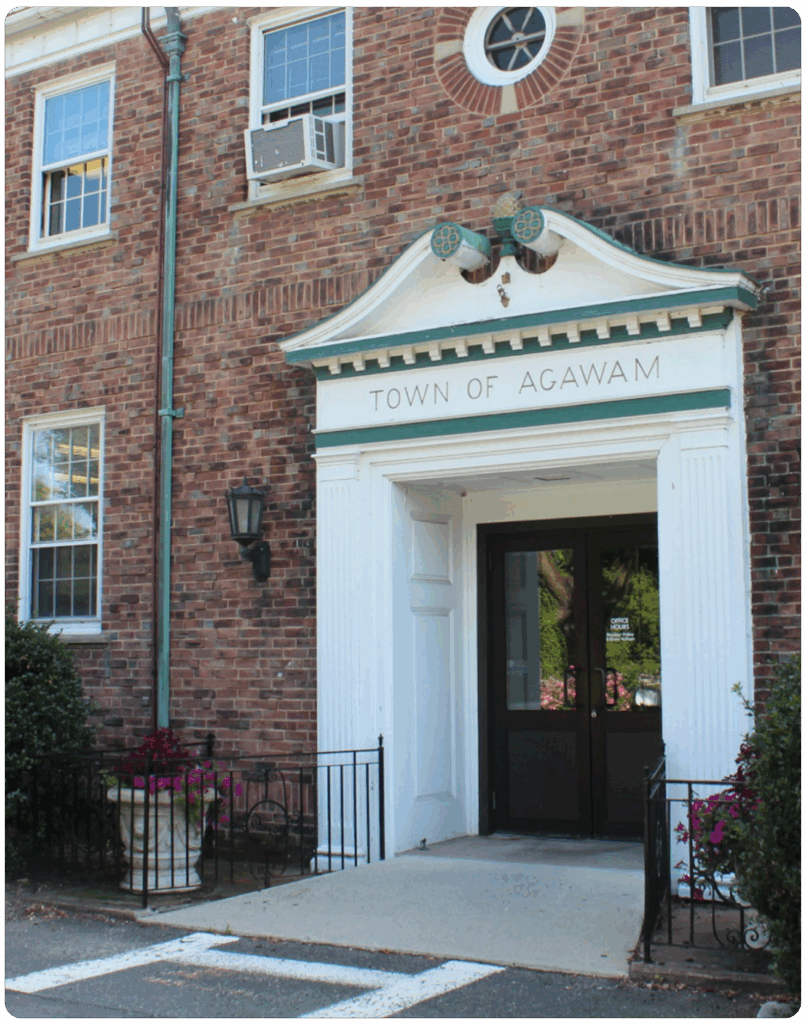

Understanding the complexities of selling heir property in Agawam, MA, can be daunting for many property owners. Whether you’re dealing with family-owned land or real estate inherited through a will, navigating Massachusetts’ legal landscape requires careful consideration. This guide explores your options, rights, and steps to ensure a successful transaction. Dive into key insights and actionable tips that help simplify the selling process, providing clarity and confidence as you prepare to list your property. Learn how to overcome common obstacles in heir property transactions in Agawam and make informed decisions for your real estate goals. Naples Home Buyers in Agawam, MA, can help.
Brief Overview
Selling heir property has many challenges, especially in Agawam, MA, due to the legal and family challenges involved. First, all co-heirs to the property must agree to sell. Then, the title must be cleared, and finally, applicable MA real estate regulations must be followed. A real estate professional, especially one who deals with cash home buyers in Agawam, MA, or surrounding areas, will help sell the property in a way that keeps the family relationship intact. Take time to understand probate and the laws of inheritance as they relate to the sale and contractual agreements. For a positive outcome, property owners should get legal and consulting services as they relate to heir property sales.
Key Highlights
- Heir property in Massachusetts involves fractional ownership, requiring unanimous heir consent for sales.
- Massachusetts probate is often required to legally transfer inherited properties.
- Partition lawsuits allow courts to resolve heir property disputes when consensus fails.
- Professional legal and real estate guidance can streamline heir property sales.
- Understanding title requirements and settlement strategies is crucial for selling inherited property.
Understanding Heir Property in Agawam, MA

Agawam, Massachusetts, is a place where the subtleties of heir property rights are unique and very much legally complicated. Heir property is real estate that multiple heirs have inherited, and it leads to complicated situations of ownership. This webpage examines heir property and the questions of its legality to be sold in Massachusetts. Those who are estate planners and deal with inherited properties must have a firm grasp of the legal issues involved, as well as the difficulties that may arise. Also, we deal with the impact of state law and title insurance on the sale of such properties.
What Is Heir Property?
Heir property is real estate that is inherited without a will or a formal estate plan. This usually results in multiple fractional owners of the property. In Massachusetts, the legal ambiguity that comes with this type of ownership means that to sell, mortgage, or manage the property, all of the heirs must agree to that. The property can become legally gummed up, with a gridlock that can only be resolved through mediation or some other form of legal action.
As each heir holds fractional undivided ownership of the heir property, they may all become responsible for paying property taxes, maintaining the property, or the debts that are related to the property. Legal action can become a byproduct of severed or strained relationships among the heirs due to unpaid debts and may, in fact, be preceded by a lien or a forced sale of the property. Heirs are encouraged to utilize a family settlement agreement, appoint a trustee, or take other legal actions to clarify ownership. Understanding heir property rights and obligations, and the heir property itself, is essential for families seeking to manage inherited heir property without conflict and to provide a path to action.
To navigate the complexities of heir property management, consider these essential steps:
- Conduct a thorough title search to identify all current owners and their respective interests.
- Organize a meeting with all heirs to discuss intentions and establish open communication.
- Seek legal advice to comprehend state-specific laws and obligations concerning heir property.
- Consider formalizing ownership through legal processes like partitioning or creating a trust.
- Develop a clear property management plan outlining maintenance, tax payments, and responsibilities.
- Keep detailed records of all property-related agreements, expenses, and decisions.
- Explore financial assistance programs available for heir property preservation and development.
Following these steps can help mitigate conflicts and streamline the management of heir properties.
Can Heir Property Be Sold in Massachusetts?
Selling Massachusetts heir property is a challenging process since Massachusetts state law demands that all co-owners agree on a sale. Unlike other types of property that can be sold individually, all inherited real estate property requires all heirs to agree on the sale, making the process quite tedious. As such, if heirs cannot agree on the sale, the only alternative would be to file a partition lawsuit, where the court can force the sale and decide how to distribute the proceeds or divide the property among the heirs. This option, however, can be expensive, time-consuming, and generally stressful. If the aim is to avoid stress and legal headaches, the easiest option would be to sell the property to a “We buy houses in Massachusetts and neighboring cities” company, which would greatly simplify the process for everyone involved.
The Massachusetts Property Law is assertive in protecting all heirs’ interests, and this creates problems with titles and transactions. In cases where there may be concerns about an heir’s future claims on the property, Massachusetts law places the onus of risk on the title’s purchaser, which almost always complicates a property transfer. There is no doubt, however, that the services of a professional, along with mediation and perhaps a bit of estate planning, can assist heirs in reaching a mutually satisfactory agreement while speeding up the process of selling the property and reducing the conflict to almost nothing.
Navigating Massachusetts Probate for Property Sales
The probate process in Massachusetts can be tricky when it comes to selling an inherited property. Learning whether probate is necessary for an estate and how the probate process works in Massachusetts is exceptionally helpful for heirs. Knowing this information determines how to address the legal issues surrounding the property and how to comply with Massachusetts laws prior to selling the property. This will explain which situations require probate court and break down the Massachusetts probate process for those selling inherited property.
Does Every Estate Need Probate in Massachusetts?
In Massachusetts, not all estates require probate. However, knowing when and whether probate will be necessary is key for heirs who wish to sell an estate. Probate is almost always needed for the deceased owner of property and for real estate if no other owners are alive and no beneficiaries are assigned. Planning is necessary for these kinds of properties so that they can be transferred through probate. On the other hand, properties owned in joint tenancy, by tenants by the entirety, or with beneficiaries designated to the property will bypass probate and go to the surviving owners or beneficiaries automatically.
In addition to the type of property, the value of the estate can play a role. If an estate is under $25,000, it can qualify for a more simplified and less time-consuming probate. However, this is a rare circumstance with real estate. With real estate probate, there is an even larger need, demand, and purpose for it, and that is that Massachusetts probate law gives the deceased their last will and testament in hopes of putting a lasting peace on it all, especially with the heirs and beneficiaries of the estate. An early analysis from the executors will help create a more seamless and simplified distribution to all heirs involved.
The Massachusetts Probate Process Explained
In order to legally recognize a deceased person’s will and distribute their estate in Massachusetts, a probate court must be asked to recognize a will. An executor of the will must first ask for the probate court’s permission to open this case. The court, at this point, will validate the will and appoint the executor, giving them responsibility for overseeing the estate and dealing with probate assets, which include the estate’s real estate holdings. Because of this, the administrator must understand probate in order to deal with the estate’s real estate.
The probate administrator will make a list of all of the estate’s assets, separate the estate’s assets into probate and non-probate, and resolve the estate’s debts, taxes, and claims. Only after these obligations are satisfied will the court permit the probate administrator to distribute the rest of the assets to the heirs. A Massachusetts probate attorney should be consulted to address any remaining issues related to these steps. Heirs dealing with real estate should expect to be fully aware of probate to comply with the Massachusetts probate laws and to avoid delays.
| Estate Type | Probate Requirement | Key Processes | Impact on Property Sale |
|---|---|---|---|
| Testate | Will Validation | Executor Appointment, Asset Inventory | Potential Delays Due to Executor Decisions |
| Intestate | Their Determination | Administrator Assignment, Asset Distribution | Slower Sale Process Due to Unclear Heirship |
| Joint Tenancy | Probate Avoided | Automatic Transfer to Surviving Tenant | Expedited Sale, No Probate Required |
| Tenancy in Common | Probate for Decedent’s Share | Division of Interest, Court Approval | Complex Sale if Co-owners Disagree |
This table highlights the critical considerations and processes involved in navigating Massachusetts probate for property sales.
Key Inheritance Laws Affecting Property Sales in Agawam, MA

When selling an heir property, understanding the intricacies of the state’s inheritance laws is important to help you understand how the state’s laws may influence the level of conflict among heirs. In every state, the laws have varying degrees of requirements on consents from heirs or on the anticipated legal maneuvers needed to complete a sale of an inherited parcel of real estate. Understanding the state laws may either create a means to complete a sale or frustrate the closing of a sale of an inherited property. In this section, the focus will be on the intricacies of the inheritance laws and the implications of the laws of heir consent and the unanimous selling of such property in the state of Agawam, MA.
Understanding Inheritance Laws and Heir Consent
The sale of inherited property in Massachusetts requires the agreement of all heirs, as they all hold a fractional interest in the property. A single heir cannot independently decide to sell, so an agreement is necessary. When heirs are located in different parts of the country and are disengaged, this can be tough to achieve. Agreements can be stalled completely due to disagreements. In these cases, you may need to get a lawyer to pursue a partition action, where the court will sell or divide the property. While it may be effective, it may also be expensive, time-consuming, and could ruin family relationships.
Hiring an attorney is critical in these types of cases. A lawyer’s job is to make sure the heirs comply with all Massachusetts laws and the tax laws and to determine how to divide the proceeds from the sale of the property. Executors are responsible for the sale and distribution of the assets of the estate and for paying the debts of the estate. Once the estate is resolved, the executor can arrange for the sale of the property to be completed to the satisfaction of everyone. If you want to avoid fighting over things and get to selling the inherited property, it is best to get an attorney involved from the very beginning.
Do All Heirs Have to Agree to Sell the Property?
In the state of Massachusetts, any heirs to an estate must reach an agreement before selling the property due to the fact that each one has a fractional ownership interest. This law ensures individual ownership rights but can make selling the estate difficult or impossible due to conflicts amongst heirs. If an agreement can’t be reached on the estate sale, one of the heirs may petition the court to take a partition action to divide the property or force a sale. This is a time-consuming and potentially expensive court process and can actually reduce the value of a property and/or further worsen conflicts amongst heirs.
In order to reach an agreement and potentially avoid court, open and honest discussions are critical. An executor or even an attorney can help heirs reach an agreement, help the heirs understand the financial aspects of the sale, and help decide how to divide the sale proceeds. If the heirs reach an agreement to sell the estate, the sale proceeds will be divided in accordance with the decedent’s will and in accordance with the intestacy laws of the applicable jurisdiction. The civilly hired professionals will help the heirs exercise their rights and will help the family reach an agreement to sell the property.
Ultimately, selling heir property in Agawam, MA, requires careful legal and familial maneuvering. Get co-heir consent, clear property titles, and know Massachusetts real estate laws. Real estate experts in heir property can streamline the process and maximize sale potential while maintaining family harmony. Explore legal and advisory resources for homeowners to ensure compliance and optimal outcomes in the complex world of heir property sales. For more personalized advice, contact Naples Home Buyers.
Do you need to sell heir property in Agawam, MA? Whether you want a fast sale, wish to avoid costly repairs, or prefer a hassle-free process, Naples Home Buyers is here to help. We provide fair cash offers, manage all the details, and make selling seamless. Have questions or ready to sell? Call us at (413) 331-6060 for a no-obligation offer. Get started today!
FAQs
What is Heir property in Agawam, MA?
Without a will or estate planning, multiple heirs inherit real estate fractionally. In Agawam, MA, this situation can complicate legal and family matters.
Do all heirs need to agree to sell inherited property in Massachusetts?
Yes, Massachusetts law requires all heirs to sell inherited property. Unanimous consent is needed because each heir owns a fraction of the property.
What happens if the heirs cannot agree on selling the property?
If heirs can’t agree, a partition lawsuit may help. It can be expensive and time-consuming to sell the property and divide the proceeds or physically partition it with court approval.
What role does probate play in the sale of inherited property in Massachusetts?
Legally transferring inherited property requires probate. Probate is required for many estates, especially those in the deceased’s name. It ensures legal estate asset transactions.
How does title insurance affect heir property sales?
Selling an inheritance requires clear titles. Proper ownership proof may be needed for title insurance to prevent future claims. This complexity stems from heir property fragmentation.
Helpful Agawam Blog Articles
- How to Sell a House in Bankruptcy in Agawam, MA
- Guide to Selling a Home with Solar Panels in Agawam, MA
- How Long Can the Seller Stay in the House After Closing in Agawam, MA
- Selling Old House in Agawam, MA
- Capital Gains Tax After Selling a House in Agawam, MA
- How long does an eviction process take in Agawam, MA
- How much equity do I need to sell my house in Agawam, MA
- Selling House by Owner Paperwork in Agawam, MA
- Can You Sell Your House to the Bank in Agawam, MA
- Who Pays for Appraisal and Inspection in Agawam, MA
- Do I Need to Paint My House to Sell It in Agawam, MA
- Can Heir Property Be Sold in Agawam, MA
- How to Stage a House for Sale in Agawam, MA