

Understanding the process of a real estate transaction can be tough, especially after an inspection has been completed. Home sellers in Chicopee, Massachusetts, often find themselves questioning their obligations after a home inspection has been conducted. Knowing how to respond to repair requests is essential for both sellers and buyers. Sellers in Massachusetts may not be legally obligated to make repairs; however, this is a clear case where law and negotiation diverge, as it can significantly influence the sale’s outcome. This guide aims to answer the question: Can sellers refuse to make repairs? What is the consequence of this? What are the ways to manage these issues in the home-selling process in Chicopee?
Key Highlights
- Sellers in Massachusetts are not legally required to make repairs after an inspection unless specified in the purchase agreement.
- Inspection contingencies enable buyers to renegotiate or withdraw if the seller refuses to make necessary repairs.
- Selling as-is can attract investors but typically results in lower offers due to potential repair costs.
- Completing repairs before a sale can often enhance marketability and result in higher offers.
- Finalizing a home sale involves strategic negotiation, understanding local laws, and a careful review of the contract.
Understanding Home Inspection in Massachusetts
Home inspections provide the Massachusetts real estate market with a valuable service. Buyers and sellers can see the clear ‘picture’ of a home’s condition. Licensed home inspectors evaluate the system and structural components of a house, identifying any issues that may affect safety, value, and/or ongoing maintenance. Understanding the Real Estate Industry in Massachusetts: Disclosure Practices and Inspections. Massachusetts’ state and local guidelines have a significant impact on the real estate industry and the processing of data during transactions.
Buyers can leverage the documentation of concerns found by home inspectors to negotiate the deal further. They can ask the sellers to make repairs, offer closing cost credits, or even lower the sale price. Sellers in the Springfield area and other similar markets benefit from understanding the average inspection reports and what those reports typically reveal. He or she can use that information to make better and wiser choices and even avoid unnecessary surprises along the way. Reducing surprises enhances the process and makes it easier to reach a closing.
If you want to avoid the uncertainty and negotiations that often follow a home inspection, Naples Home Buyers offers a straightforward solution. We buy homes in Massachusetts as-is, provide fair cash offers, and handle the details so you can sell quickly without the need for repairs, credits, or inspection-related delays.
What to Expect During an Inspection
In Massachusetts, buying a home often involves a home inspection, which enables the buyer to learn more about the home’s actual condition. Certified inspectors review the roofs, foundations, electrical systems, plumbing, and HVAC systems to ensure they are in good condition. Buyers often join the inspectors to get an understanding of any potential issues as agents manage the process.
Sellers in Massachusetts are required by law to disclose any known problems with the property; however, there are often home inspection issues that are overlooked. For example, they may have an unnoticeable issue, such as a minor leak, or they may have old wiring that would be costly to replace. By being aware of problems, buyers are in a better position to request repairs or negotiate a lower price for the home.
When buyers have grasped the characteristics of their local market, as is the case with buyers in Springfield, they are better placed to foresee potential inspection issues and problems. Not every inspection problem is a showstopper, and some can be addressed to improve a buyer’s negotiating leverage. Sellers must decide whether to remedy issues or sell the property as is, and determining when to negotiate and when to remedy matters is crucial to making sound real estate choices.
Common Issues Found in Home Inspections
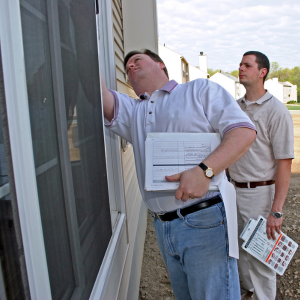
In Massachusetts, home inspections in cities like Springfield can reveal a multitude of issues that can impact the sale of a home. These issues can range from minor cosmetic concerns to significant structural problems. Being aware of the common issues that home inspections in Massachusetts reveal will help both buyers and sellers understand what issues may need to be addressed to finalize a sale. Home inspections reveal problems for which repair requests can be drafted, prices can be adjusted, or deals can be terminated altogether.
Home inspectors often identify numerous major issues during inspections. Some of the major problems identified during home inspections in Springfield include foundation, roof, and septic tank issues. Suppose a home is found with cracks in the foundation, signs of structural weakness, water damage, or a failing septic system. These issues may raise concerns for buyers, as they could lead to costly repairs in the years to come. Roof damage is another concern that home inspectors often find; if a roof needs to be replaced, it can be very costly. Homebuyers are greatly concerned with issues such as these and are likely to focus on them the most during negotiations.
Outdated electrical systems, plumbing issues, and malfunctioning HVAC units are also frequently noted in inspections. Electrical or plumbing deficiencies can pose significant safety risks, while an inefficient HVAC system is a primary concern, particularly in Massachusetts, given the state’s changing seasons. Addressing these problems in advance can help sellers avoid delays, keep negotiations on track, and improve overall buyer confidence in the property.
Legal Rights of the Seller
During the home-selling process in Chicopee, Massachusetts, real estate inspectors are often the first point of contact. After an inspection, the seller has many legal entitlements, but they also have many legal constraints that must be understood before selling the home to avoid transactional claims. Many sellers wonder if there is a legal obligation to complete the repairs and whether a refusal to do so will jeopardize the sale of the home. This article will focus on what legal barriers/entitlements are present for a seller, primarily concerning the refusal of repairs and the impact of inspection contingencies. Most importantly, the article aims to help sellers post an inspection understand the local laws applicable, and the best practices for the inspection process.
| Seller Rights | Inspection Phase | Contractual Obligations | Negotiation Options |
|---|---|---|---|
| Right to Accept or Reject Offers | Disclose Known Issues | Comply with Agreed Terms | Counteroffer |
| Set Asking Price | Access for Inspection | Fulfill Inspection Responses | Offer Incentives |
| Finalize Sale Date | Receive Inspection Results | Meet Closing Deadlines | Adjust Pricing |
This table provides a concise overview of sellers’ rights and considerations during real estate transactions in Chicopee, Massachusetts, highlighting the interplay between compliance and strategic negotiation in the inspection and closing process.
Can a Seller Refuse to Make Repairs?
Sellers frequently experience the question of whether they’re obligated to make repairs brought up during a home inspection. In Chicopee, Massachusetts, and elsewhere in the state, sellers are under no legal obligation to address any issues identified in an inspection report. According to state law, any repairs a seller must complete are terms of the purchase agreement. If the contract states that any repairs must be done, then it is a legally enforceable condition. Absent such a contract, a seller may lawfully refuse to make any repairs.
A seller’s refusal to make repairs, however, does not necessarily void the contract. It does impact negotiations, however. Buyers may take the refusal of repairs as an opportunity to negotiate a lower sale price or request other trade-offs. When deciding on a repair, home sellers need to estimate the repair cost and how it may impact the sale. It is true that if sellers elect not to make repairs, they are exercising their legal rights. This, however, must be done strategically to avoid disrupting the deal.
Massachusetts home sellers must consider the competitiveness of the real estate market. If sellers decline to make repairs, buyers may very well walk away and look for properties with sellers who are willing to make concessions. Therefore, knowing your rights as a seller also means understanding the likely consequences for your home’s marketability. It is advisable to sell your home with the assistance of a real estate agent and/or attorney to address any concerns you may have in a way that may reduce the chances of soliciting a response from prospective buyers.
Considering refusing repairs after an inspection? You still have options. If you’re looking for a straightforward sale without negotiations or repair demands, contact us today to receive a fair, no-obligation offer and see how easy selling your home can be.
Inspection Contingency and Its Impact

An inspection contingency clause is a provision in a real estate agreement that allows buyers to withdraw from the contract if a home inspection reveals problems that the seller is unwilling to remedy. This clause guards buyers in their prospective home from a surprise repair bill. From the buyers’ perspective, it gives them the power to understand the home better before solidifying the purchase. For Chicopee, Massachusetts sellers, the contingency is crucial for avoiding surprises and ensuring a smooth transaction.
Sellers of the home must be prepared for the prospect of having to renegotiate during the inspection if an inspection contingency is in place. If the inspection reveals critical issues that the sellers refuse to remedy, legally, the buyers have the right to walk away and recover their investment. This gives buyers leverage. On the reverse of the hand, the sellers must understand that this is an opportunity to do a home evaluation, self-precise it, and set the right price.
Despite these buyer protections, sellers still have meaningful flexibility. They may negotiate limits on requested repairs, offer a price adjustment, or provide closing credits instead of completing repairs themselves. Because inspection contingencies are standard in Massachusetts real estate transactions, sellers who understand their options and respond strategically are better equipped to manage negotiations, protect their interests, and facilitate a smoother, more predictable closing.
Selling As-Is: Pros and Cons
Selling a home as-is has its pros and cons, particularly in the real estate market in Chicopee, Massachusetts, where selling as-is can be beneficial in terms of time, stress, and money that would be tied up in home repairs or renovations. It can be invaluable for sellers who have financial burdens, time constraints, or a home that requires extensive repairs.
But selling as-is can cause buyers to be inconsiderate or judgmental when submitting offers. For example, selling a home that requires a lot of care and attention can attract a buyer who is not motivated and may submit a very low offer, considering the necessary repairs. This is not a problem when a home is move-in ready. For homeowners selling their Chicopee home as is to appreciate the buyer’s construction, they need to set a reasonable expectation and submit a fair price. There are significant advantages to this type of home-selling strategy.
Deciding Between Selling As-Is and Making Repairs
Deciding to sell a house as is or to sell after making repairs involves weighing several key considerations. Selling a home as is has its advantages. Sellers do not need to invest in a repair budget or spend time dealing with repairs. Selling as is also passes the responsibility for buyer concerns to the buyer. Repair issues can range from structural and electrical to complete system failures. This makes selling a home as-is ideal for those who need to sell quickly. The trade-off is that homes sold as-is receive fewer offers. Buyers are less committed to homes that need repairs and typically allocate a larger portion of their budget to make the necessary repairs to their standards, adjusting their offer price accordingly.
Making repairs to a house can increase the offers a home can sell for and can price-entice those who prefer a home that is move-in ready. In markets such as Massachusetts, which are more competitive, making repairs becomes increasingly critical. Sellers should also balance timelines with the cost of repairs and the potential returns from making those repairs. When weighing convenience against the financial implications down the road, sellers should consult real estate professionals to help them sell their homes in a way that best suits their needs.
After carefully weighing the pros and cons, consider these factors to make an informed decision:
- Evaluate the cost of repairs versus the potential increase in home value.
- Assess the timeline you have for selling, taking into account market conditions.
- Understand buyer expectations in your local market area.
- Consider the potential impact on the home’s inspection report.
- Consider the convenience and stress levels associated with making repairs.
- Weigh the likelihood of attracting more bids with improvements.
- Determine if you have the budget to invest in necessary upgrades.
Ultimately, aligning decision-making priorities with financial goals will guide you towards the best selling strategy.
How Selling As-Is Affects Buyer Decisions

Deciding to sell a home as-is will have a profound effect on the buyer’s psychology and the entire sale process. As-is means buyers will be extra careful because there could be unknown repair problems and other issues that an inspection might miss. Buyers will typically set a budget that accounts for these unknown issues, which will influence their decision on whether to proceed with the process and how much they are willing to reduce the price.
In the Chicopee market, buyers commonly compare as-is homes with properties where sellers have already made repairs. As-is listings typically prompt more thorough inspections, enabling buyers to estimate future repair costs more accurately. This heightened scrutiny often leads to lower offers, as buyers adjust pricing to offset anticipated post-purchase expenses. Cash house buyers in Chicopee and other cities in Massachusetts, however, usually evaluate these properties differently, focusing more on overall value and resale potential than on minor repair concerns.
As-is transactions typically cause buyers to depend on agents and inspection reports to negotiate further. If buyers find issues, they’re most likely to walk away, request a price reduction, or ask for a credit or concession at closing. Buyer-seller negotiations are a standard part of as-is transactions; buyers are trying to protect their investment.
Also, as-is homes attract investors and house flippers, who focus more on the potential rather than the immediate condition. While these buyers may close the deal quickly, their closing offers to house buyers will generally be significantly lower. At the end of the day, house buyers versus investors, and how they react to as-is homes, helps sellers understand their needs in terms of speed, price, and strategy.
Completing Repairs Before Sale
Home sellers in Chicopee, Massachusetts, face a crucial decision about whether to make repairs before listing their home. A home that has been adequately repaired and maintained will make a strong first impression, drawing in more interested buyers and making inspections more straightforward by having fewer objections to address. Taking care of repairs and maintenance functionally makes for a smoother and more predictable closing process, as fewer repairs will lead to fewer worries for a buyer.
Sellers will have the most control over the process by being the ones to make the repairs. Control of the repairs makes them less likely to have to negotiate under pressure after the inspection and fixes have been made. Selling a home can come with numerous costs, and repairs can enhance the home’s marketability, reducing the amount of money that needs to be deducted from the sale price or spent on repairs after the sale. Keeping all of that in mind, sellers can have the most control to put themselves in a better position to negotiate with buyers.
When Home Sellers Should Complete Repairs
Timing repairs when selling a home is a significant consideration for home sellers in Chicopee, Massachusetts. If repairs are made to increase a property’s potential, attract better offers, and facilitate a smoother closing, the outcome is generally favorable. Sellers need to consider the type of repairs, their cost, and the current state of the market.
Some repairs are more significant than others and need to be done for a property to be more marketable. Filling in structural issues, fixing outdated electrical systems, and making alterations to plumbing all serve to exacerbate the problems in the home. Negotiations are simplified, inspection issues are fewer, and the target price goes up.
Homes that have had repairs made signal to buyers that the house is properly maintained and reliable, alleviating concerns and likely encouraging more aggressive bidding. Under Massachusetts law, sellers are not always required to make repairs found during home inspections; however, doing so can help avoid the need to deal with delays and buyer uncertainty, as well as the risk of deal collapse.
Ultimately, balancing the repair costs against the anticipated return is the key factor in determining the viability of the repair. When it comes to repairs, sellers should typically work with a real estate professional who can have the most significant influence on pricing and interest. Completing the proper maintenance can also strengthen a seller’s negotiating position, increase buyer confidence, and lead to more favorable outcomes.
Finalizing the Contract and Closing the Deal
Finalizing a Massachusetts real estate contract involves several key steps that require close attention to detail and a thorough understanding of local laws and regulations. Home sellers should carefully review the purchase agreement to ensure the price, payment terms, deadlines, and contingencies align with their expectations and comply with Massachusetts regulations. When working with Massachusetts cash buyers, these agreements are often more straightforward, helping lay the foundation for efficient negotiations and a smoother transaction.
Negotiation is a process where sellers can utilize market knowledge and inspection results to their advantage. Massachusetts law does not require sellers to complete every repair requested after an inspection, providing them with flexibility during negotiations. By understanding which concessions are reasonable, sellers can limit unnecessary costs while keeping the deal moving forward. Open and professional communication helps resolve concerns about pricing or repairs, saving both parties time and effort.
After terms are agreed upon, the focus shifts to closing the deal. This stage involves completing contingencies, transferring funds, and finalizing legal documents to transfer ownership officially. In Massachusetts, real estate attorneys often play a central role, ensuring all paperwork is accurate, legal requirements are met, and any last-minute issues are addressed before closing.
Successful closings also depend on clear communication and coordination among all parties. Working with a trusted real estate agent and attorney helps ensure the title is clear and the transition is seamless. For sellers in Chicopee and throughout Massachusetts, thorough preparation, informed negotiation, and meticulous attention to the closing process can result in a seamless sale and optimal outcomes in a competitive market.
When selling a home in Chicopee, Massachusetts, understanding your rights and obligations concerning post-inspection repairs is crucial. While sellers can refuse to make repairs, it’s often beneficial to negotiate solutions that satisfy both parties and keep the sale moving forward. Consider consulting a real estate attorney to help you navigate these negotiations smoothly and protect your interests. If you’re faced with such decisions, weigh the potential impacts on the sale and future talks. Ready to discuss your selling strategy? Contact a local real estate professional to ensure you’re making informed, strategic choices for a successful transaction.
FAQs:
Are sellers in Massachusetts required to make repairs after a home inspection?
Sellers in Massachusetts are not legally obligated to make repairs after a home inspection, unless such repairs are specified in the purchase agreement. The inspection results often serve as a basis for negotiation between the buyer and seller.
What is an inspection contingency in a real estate transaction?
An inspection contingency allows buyers to back out of a purchase agreement without penalty if a home inspection reveals significant issues and the seller refuses to address them. This clause is beneficial for buyers to ensure they are not committing to a property with unforeseen defects.
What are the benefits and drawbacks of selling a home as-is?
Selling a home as-is can expedite the selling process and avoid the costs of repairs. However, it may result in lower offers, as buyers consider potential repair costs. Sellers often weigh the convenience against possible financial impacts on the sale price.
How does the real estate market affect the decision to make repairs before selling?
The competitive nature of the real estate market can influence whether sellers choose to make repairs. Fixing issues can enhance a property’s appeal and lead to higher offers. Evaluating repair costs against market conditions helps sellers decide on the best course of action.
What role does negotiation play in finalizing a home sale after inspection?
Negotiation is crucial in reaching a post-inspection agreement. Both buyer and seller can discuss repair costs, price adjustments, or other terms to finalize the sale. Understanding local laws and inspection contingencies helps navigate these discussions effectively.
Do you need to sell your house but don’t want to make repairs after an inspection? You’re not required to fix every issue. If you prefer a fast, hassle-free sale, Naples Home Buyers can help. We buy homes as-is, provide fair cash offers, and handle all the details for a smooth, stress-free process. Have questions or ready to sell? Call (413) 331-6060 for a no-obligation cash offer and get started today.
Helpful Chicopee Blog Articles
- Selling an Estate Home in Chicopee, MA
- For Sale by Owner Benefits in Chicopee, MA
- How Do I Short-Sell My House in Chicopee, MA?
- Sell Home to Pay Off Debt in Chicopee, MA
- Should I Replace My Roof Before I Sell My House in Chicopee, MA?
- Selling a Home for a Loss in Chicopee, MA
- Can a Seller Refuse Repairs After Inspection in Chicopee, MA?
- How Much Does a Divorce Home Appraisal Usually Cost in Chicopee, MA?
- Average Cost to Sell a House in Chicopee, MA